


Gummy Smile: Causes, Treatments and Correction in Turkey
Don't put off your smile. Message us now to discuss your treatment options with our expert dentists.
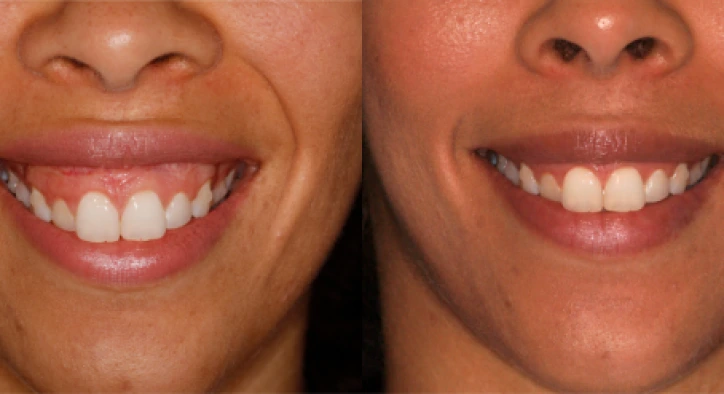
WhatsAppA gummy smile - the condition where a noticeable band of gum tissue is visible above the upper teeth during a natural smile - is one of the most common cosmetic dental concerns we see at our clinic in İstanbul. For some patients, it has been a source of self-consciousness since childhood. For others, it becomes more apparent in photos or on video calls. Whatever the case, gummy smile correction is entirely achievable with modern dentistry, and the right approach depends on what is causing yours.
This guide covers everything you need to know: what a gummy smile actually is, why it happens, and which treatments are available - including what patients travelling from the UK and Europe to Turkey can realistically expect.
Table Of Contents
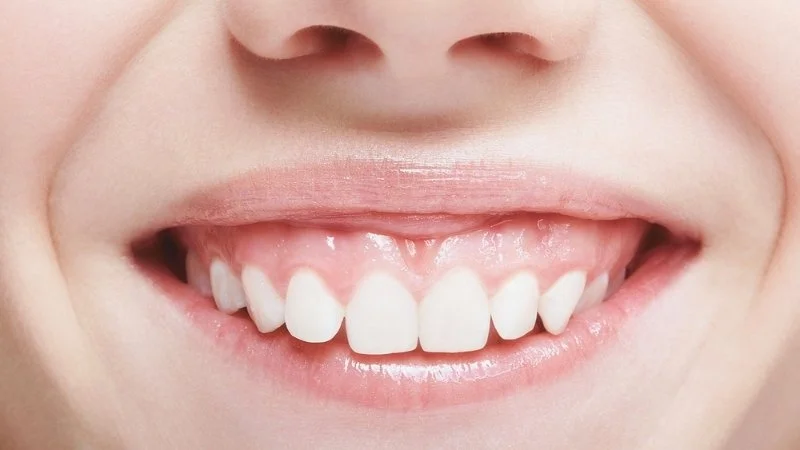
What Is a Gummy Smile?
A gummy smile, known clinically as excessive gingival display, is defined as the condition in which more than 2 mm of gum tissue is visible above the upper front teeth during a natural, relaxed smile. This measurement threshold is widely used by dental professionals and is supported by research published on PubMed, where gummy smiles have been extensively studied across multiple treatment modalities.
The amount of gum visible varies considerably between individuals. Some patients show 3 to 4 mm of gum above a few front teeth; others expose a wide band of gum tissue across the entire upper arch. In clinical terms, gummy smiles are classified by severity:
- Mild: 2 to 4 mm of gum visible
- Moderate: 4 to 6 mm visible
- Severe: Over 6 mm visible
Gummy smiles carry no health risk. The teeth, bone, and gum tissue are all perfectly healthy. The condition is purely aesthetic, but its psychological impact should not be underestimated. Many patients report feeling reluctant to smile openly in social situations, avoiding photos, or feeling that their teeth look shorter and less attractive than they should. Addressing a gummy smile can have a meaningful effect on confidence and daily wellbeing.
What Causes a Gummy Smile?
This is the most important question when it comes to gummy smile treatment - because identifying the cause determines which solution will actually work. Gummy smiles do not all look the same, and they do not all have the same origin. In many patients, two or more factors combine to produce the visible result.
Altered Passive Eruption
When permanent teeth erupt during childhood and adolescence, the gum line is expected to gradually recede to its final position, leaving the full crown of the tooth exposed. In altered passive eruption, this process does not fully complete. A layer of gum tissue remains covering the lower portion of the tooth surface, making the teeth appear shorter and "boxier" than they actually are.
This is one of the most frequent structural causes of gummy smiles, and it responds particularly well to gum contouring procedures. The underlying tooth is typically a normal length - it simply needs to be uncovered. Many patients are surprised by how much tooth length is revealed after treatment.
Hyperactive Upper Lip (Lip Hypermobility)
The upper lip is raised by a group of elevator muscles during smiling. In most people, the lip rises to a position that covers the gum line. In patients with lip hypermobility, these muscles contract with greater force or range than average, pulling the lip significantly higher. A full band of gum becomes exposed even during a moderate smile.
This is the most common functional cause of gummy smiles. The teeth may be perfectly proportioned and the gum line entirely normal - but the lip behaviour overrides this. Importantly, this cause points directly to treatments that target the lip rather than the gums: botulinum toxin injections or lip repositioning surgery.
Vertical Maxillary Excess
In this skeletal cause, the upper jaw (maxilla) has developed with a greater vertical height than typical. This pushes the teeth and gum line lower on the face, increasing the proportion of gum tissue visible during a smile. Vertical maxillary excess often also causes the upper lip to appear longer at rest, and the face may have an elongated appearance.
This is the most complex cause to address and often requires a combination of orthodontic and surgical approaches. A thorough facial and jaw assessment is always carried out before treatment planning begins for patients with this presentation.
Short or Worn Upper Teeth
Some patients have naturally short upper front teeth - a genetic characteristic - while others develop shorter teeth over time due to grinding, clenching, or acid erosion. When the teeth are shorter in proportion to the surrounding gum tissue, a greater percentage of gum is visible during smiling even if the gum line itself sits at a normal height.
In these cases, treatment often combines gum recontouring with restorations. Laminate veneers or crowns can add length to teeth that have been worn down, restoring a natural tooth-to-gum ratio and giving the smile a more balanced appearance.
Dentoalveolar Extrusion
When the front teeth erupt too far out of the jaw, the surrounding bone and gum tissue can follow. This creates a situation where the gum line sits noticeably lower on the face of each tooth than it should, producing a gummy appearance even when lip movement is entirely normal. Orthodontic treatment to intrude (move upward) the affected teeth is often the most appropriate approach here.
How Is a Gummy Smile Diagnosed?
Diagnosing a gummy smile goes well beyond measuring how many millimetres of gum are visible. A thorough assessment at our clinic in İstanbul considers several interrelated factors:
| Assessment Factor | What Is Evaluated |
| Gingival display | Millimetres of gum tissue visible above upper incisors at full smile |
| Lip mobility | Range and speed of upper lip movement during natural smiling |
| Tooth proportions | Crown length and width ratio of upper front teeth |
| Gum tissue quality | Thickness, symmetry, and health of the gingival tissue |
| Skeletal analysis | Vertical height and position of the upper jaw |
| Facial harmony | How the smile relates to the overall facial proportions at rest and during animation |
Digital smile design allows patients to preview potential treatment outcomes before any procedure begins. This is particularly helpful when planning combined treatments, as it gives both the clinician and the patient a shared visual reference point and helps set realistic expectations from the outset.
Gummy Smile Treatment Options
The range of available solutions is broader than most patients realise. Each option targets a specific underlying cause, and the best results are often achieved when the treatment is selected based on a thorough assessment rather than a one-size-fits-all approach.
Botulinum Toxin Injections
Where lip hypermobility is the cause, botulinum toxin - widely known under brand names such as Botox - is often the first choice. Small, precise doses are injected into the elevator muscles responsible for raising the upper lip. The muscles' range of contraction is temporarily reduced, and the lip rests at a lower position during smiling, exposing less gum tissue.
According to a narrative review published by the US National Library of Medicine (PubMed), botulinum toxin for gummy smile correction demonstrates "rapid initial action, safe application, low risk, and straightforward and satisfactory outcome." Results typically last four to six months. This makes it an excellent first step for patients who want to experience the aesthetic change before committing to a permanent procedure.
Hyaluronic Acid Fillers
Hyaluronic acid fillers injected into the upper lip restrict the movement of lip elevator muscles and add volume that naturally encourages the lip to rest lower. Results are temporary, generally lasting six to eight months. Like botulinum toxin injections, this is a non-surgical approach with no recovery downtime and a low risk profile.
Gum Contouring (Crown Lengthening / Gingivectomy)
For patients where excess gum tissue is the primary cause - particularly in cases of altered passive eruption - gum contouring provides a permanent solution. The procedure involves the careful removal and reshaping of excess gum tissue to expose more of the tooth surface. It is performed under local anaesthesia and typically takes 30 to 45 minutes.
The gum tissue does not regenerate in the area that has been treated, so the results are long-lasting. Once healing is complete, patients see a significantly improved tooth-to-gum ratio and a more balanced smile. Our pink aesthetics and gum treatment service uses laser-assisted techniques for greater precision and faster healing compared to traditional scalpel methods.
Laser Gum Contouring
Laser contouring achieves the same outcome as traditional gingivectomy but with added advantages: the laser simultaneously cuts and seals tissue, which reduces bleeding during the procedure and lowers the risk of post-operative discomfort. Most patients experience less swelling and return to their normal diet within a few days rather than a week. For patients travelling from abroad, this faster recovery timeline is particularly practical.
Lip Repositioning Surgery
For patients whose gummy smile is driven by lip hypermobility and who want a permanent result, lip repositioning surgery offers a definitive solution. A small strip of mucosal tissue is removed from the inner surface of the upper lip, limiting the maximum height to which the elevator muscles can pull the lip during smiling. The procedure takes 45 to 60 minutes under local anaesthesia, and most patients return to light daily activities within two to three days, with full recovery in one to two weeks.
This is classified as a permanent correction - once healed, the result does not require any maintenance or repeat treatments.
Orthodontic Approaches
Where dentoalveolar extrusion is the cause, moving the front teeth upward through orthodontic intrusion can reduce the gum line and improve the smile profile. This can be achieved with traditional braces or with clear aligners, depending on the degree of movement required. Our orthodontic and clear aligner services can be incorporated into a broader smile transformation plan.
Combined Treatment Plans
Research consistently shows that combined treatment produces superior results in complex gummy smile cases. A patient with both excess gum tissue and a hyperactive upper lip, for example, is likely to benefit from gum contouring alongside botulinum toxin injections or lip repositioning. Where teeth are also short or worn, restorations such as veneers can be added to the plan, coordinated to be completed during the same visit.
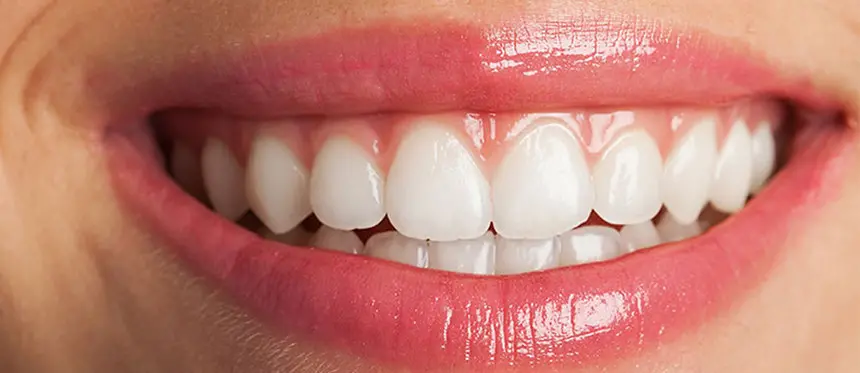
Which Treatment Is Right for You?
The single most important factor in choosing a gummy smile treatment is identifying the underlying cause. The table below provides a practical overview:
| Primary Cause | Recommended Approach | Permanence |
| Excess gum tissue (altered passive eruption) | Gum contouring or laser gingivectomy | Permanent |
| Hyperactive upper lip | Botulinum toxin (temporary) or lip repositioning surgery (permanent) | Temporary / Permanent |
| Short or worn teeth | Crown lengthening combined with veneers or crowns | Long-term |
| Vertical maxillary excess | Orthodontic assessment, possible surgical referral | Long-term |
| Dentoalveolar extrusion | Orthodontic intrusion | Long-term |
| Multiple causes | Combined treatment plan | Depends on treatments selected |
Patients who are uncertain whether to choose a temporary or permanent option often find it helpful to try botulinum toxin injections first. This allows them to experience the aesthetic change before deciding whether to pursue a surgical solution. At Avrupa Saglik Dis, we never recommend a treatment approach before completing a proper assessment - the cause must be confirmed before the solution is chosen.
Recovery After Gummy Smile Treatment
Recovery timelines vary considerably depending on the treatment chosen. Here is what patients can typically expect:
- Botulinum toxin injections: No downtime. Mild redness at injection sites resolves within a few hours. The full effect becomes visible over five to seven days as the muscle gradually relaxes.
- Hyaluronic acid fillers: Mild swelling for 24 to 48 hours. Bruising is uncommon. Immediate return to normal activities.
- Laser gum contouring: Soft diet for five to seven days. Mild tenderness managed with over-the-counter pain relief. Final results visible after two to three weeks once the gum tissue has healed and settled into its new position.
- Traditional gingivectomy: Soft diet for seven to ten days. Minor discomfort well controlled with standard pain relief. Sutures (if used) removed at a follow-up appointment.
- Lip repositioning surgery: One to two weeks of recovery. Swelling and minor discomfort managed with prescribed pain relief. Light activity can resume within two to three days.
Patients travelling from the UK or Europe to İstanbul for gummy smile treatment typically plan a stay of seven to ten days, which comfortably covers the procedure and the initial recovery period before returning home. Our team prepares detailed post-treatment care instructions for all international patients and remains contactable during recovery.
Gummy Smile Correction in İstanbul, Turkey
Turkey has become one of Europe's most sought-after destinations for cosmetic dental treatment, and for good reason. The cost of gummy smile procedures in the UK or Germany can be considerably higher than the equivalent treatment in Turkey - without any difference in the materials, technology, or clinical expertise involved.
At Avrupa Saglik Dis in İstanbul, our team has experience across all gummy smile treatment modalities, from laser gum contouring and botulinum toxin injections to combined smile design treatments incorporating veneers and orthodontics. We use digital smile simulation technology so patients can preview their expected results before committing to a treatment plan. To see examples of completed cases, visit our before and after gallery.
İstanbul is easily accessible from most UK airports, with direct flights operating year-round. The city has a well-developed infrastructure for international dental patients, including clinic transfers and accommodation recommendations. Many patients find that managing their recovery in a comfortable, sunny setting is considerably more pleasant than doing so at home.
If you would like to explore your options for gummy smile correction, we offer remote initial consultations so you can discuss your situation with our clinical team before making any travel plans. Our contact page provides all the information you need to get in touch. For a broader look at what a full smile design transformation involves, our dedicated page covers the complete process.
Patients who read our patient reviews often find reassurance in first-hand accounts from others who have made the same journey. Our international patient team is happy to answer any questions about the process from consultation to completion.
Frequently Asked Questions About Gummy Smile
Is a gummy smile a dental health problem?
No. A gummy smile is a purely aesthetic condition. The teeth, gums, and supporting bone are all healthy. Treatment is entirely optional and is chosen by patients who feel their smile aesthetics affect their quality of life or confidence.
How much gum showing is considered a gummy smile?
Most dental professionals classify a smile as gummy when more than 2 mm of gum tissue is visible above the upper front teeth. That said, personal perception matters - some patients feel self-conscious at lower levels of gum display, while others are unbothered by more. There is no universal threshold for when treatment becomes the right choice; that is a personal decision.
Is gummy smile treatment painful?
Non-surgical treatments involve minimal discomfort. Botulinum toxin and filler injections cause a brief, mild sting. Surgical procedures - gingivectomy and lip repositioning - are carried out under local anaesthesia, so the treatment itself is painless. Some tenderness during the recovery period is normal and is managed comfortably with standard over-the-counter pain relief in most cases.
Will a gummy smile come back after treatment?
Surgical treatments such as gingivectomy and lip repositioning produce permanent results - the gum tissue does not regrow and the repositioned lip does not return to its original position. Botulinum toxin and filler injections are temporary, requiring repeat treatments every four to eight months. If the underlying cause is fully addressed through the appropriate treatment, long-term stability is expected.
Can gummy smile correction be combined with other dental treatments?
Yes, and in many cases this produces the best overall results. Gum contouring is frequently combined with laminate veneers for patients whose teeth are also short or discoloured. A full smile design treatment plan may incorporate gum contouring, whitening, and restorations in a single visit. Our team coordinates combined treatments efficiently to minimise your time in the clinic and maximise the outcome.
How do I find out which gummy smile treatment is right for me?
A clinical assessment is the only reliable way to determine this. During your consultation at Avrupa Saglik Dis, your gum visibility, lip mobility, tooth proportions, and overall facial harmony will all be evaluated. Based on this assessment, our team will explain which cause is responsible for your gummy smile and recommend the most appropriate treatment approach. Remote consultations are available for patients planning to travel from abroad - contact us through our frequently asked questions page or reach out directly to arrange an initial discussion.
A gummy smile is not something you have to simply accept. Modern dental techniques provide reliable, well-tested solutions - and identifying the correct cause is the first step toward an outcome you will be genuinely satisfied with. Whether you are considering a quick injectable treatment or a more permanent correction, our team at Avrupa Saglik Dis is here to guide you through every stage of the process.
About the Author