


How to Brush Your Teeth Correctly? The Bass Technique and Its Steps
Don't put off your smile. Message us now to discuss your treatment options with our expert dentists.
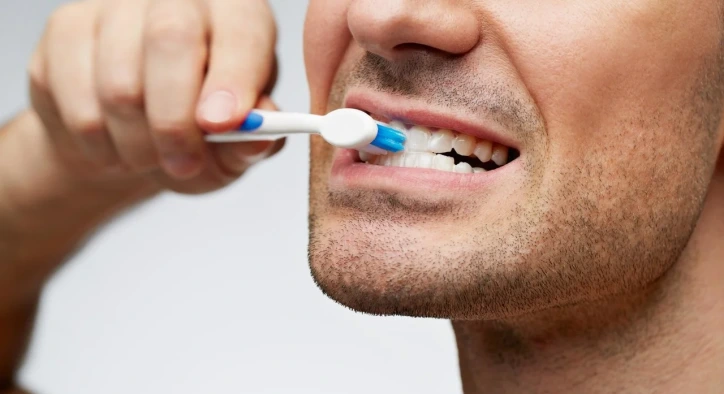
WhatsAppBrushing teeth twice a day is widely considered the golden rule of basic hygiene. Nevertheless, clinical evaluations frequently identify active cervical decay, heavy calculus deposits, gingivitis, soft tissue recession, and cervical enamel abrasion even among individuals who report brushing diligently every day. This clinical paradox occurs because therapeutic efficacy depends far more on mechanical technique and brush orientation than on mere frequency.
Scrubbing teeth with excessive force or improper horizontal trajectories traumatizes free gingival margins and gouges protective enamel prisms. Eliminating microbial plaque biofilm without compromising dental hard and soft tissues requires an evidence-based proper tooth brushing routine.
Table of Content
The Clinical Necessity of Proper Tooth Brushing
Microbial plaque biofilm continuously adheres to tooth surfaces. If unperturbed, it absorbs calcium and phosphate minerals from saliva, calcifying into hard tartar within 48 hours. Once tartar forms, home brushing cannot remove it; professional scaling is required. Understanding how proper tooth brushing should be structured ensures soft biofilm removal before mineralized damage occurs:
- Prevents Gingival Recession & Sensitivity: Aggressive sawing motions shear delicate junctional epithelial attachments, exposing root cementum. Controlled sweeping motions preserve soft tissues and stimulate capillary circulation.
- Arrests Cervical Root Decay: Cleans subgingival sulcular margins and posterior interproximal spaces prone to plaque accumulation.
- Prevents Toothbrush Abrasion: Controlled brush application avoids carving wedge-shaped non-carious cervical lesions into dentin.
- Eliminates Chronic Halitosis: Disrupts volatile sulfur compound-producing anaerobic bacteria lodged along gingival collars and dorsal tongue surfaces.
The Gold Standard: The Modified Bass Technique
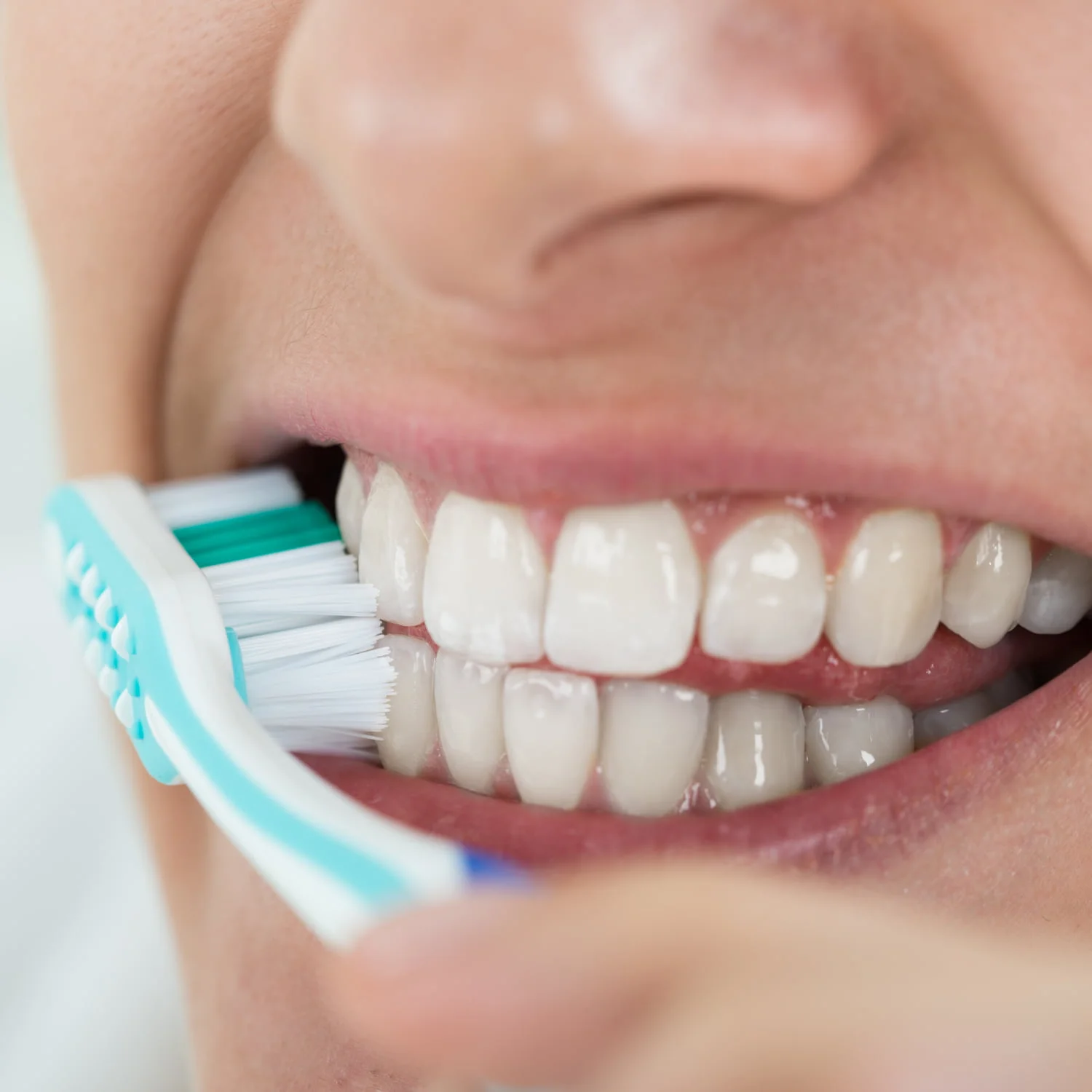
Recognized by international periodontal organizations as the single best tooth brushing technique, the Modified Bass Technique delivers optimal cleaning performance.
Why is this proper tooth brushing method clinically superior?
- The 45-Degree Angle: Filaments are aligned at a 45-degree angle to the long axis of the tooth, directing bristle tips into the gingival margin. Half the filaments contact cervical enamel while the remaining half rest on the free gingival margin.
- Controlled Vibratory Agitation: Without dislodging filament tips, gentle short vibratory or circular strokes are applied for 10 to 15 seconds. Flexible bristle tips slip subgingivally into the sulcus, dislodging settled pathogenic microflora.
- Coronal Roll / Sweep: Immediately following vibratory motions, the brush head is swept toward the biting surface (downward for upper teeth, upward for lower teeth). This sweeping motion lifts loosened plaque away from the tooth.
Step-by-Step Proper Tooth Brushing Steps
Executing how proper tooth brushing is done involves six sequential proper tooth brushing steps:
- Dry Brush Protocol: Do not rinse bristles under running water before applying toothpaste. Wetting filaments softens their elastic modulus, dilutes active ingredients, and reduces mechanical sweeping power. Apply a pea-sized amount of fluoridated toothpaste directly to dry bristles.
- Buccal (Outer) Surfaces: Begin at the posterior molars of the upper jaw. Seat bristles at a 45-degree angle toward the gumline. Work systematically across two teeth at a time, applying light vibratory movements followed by an incisal roll. Progress methodically across upper and lower arches.
- Lingual & Palatal (Inner) Surfaces: Maintain the 45-degree angle along inside surfaces facing the tongue and roof of the mouth. For lingual aspects of anterior teeth, position the brush head vertically, utilizing the heel of the brush to flick debris upward.
- Occlusal (Chewing) Surfaces: Position bristles flat against the anatomical pits and fissures of premolars and molars. Use short, controlled back-and-forth strokes to clear food traps.
- Dorsal Tongue Debridement: Over 80 percent of oral odor-causing bacteria reside on the papillae of the tongue. Use your brush or an anatomical tongue scraper to stroke gently from the posterior dorsum toward the tip.
- Spit, Do Not Rinse: After brushing for two full minutes, spit out excess toothpaste foam. Refrain from immediately rinsing the oral cavity with water; retaining a microscopic film of toothpaste allows fluoride ions to remineralize enamel surfaces.
Common Tooth Brushing Mistakes to Avoid
Subtle daily errors can undermine oral health:
- Horizontal Sawing Motion: Aggressively scrubbing teeth horizontally abrades cervical enamel, creating permanent notched defects along the gumline.
- Excessive Brushing Force: Clenching the brush tightly flattens bristles against enamel, destroying their cleaning geometry and lacerating the gums. Hold the brush lightly like a pen.
- Rushing the Process: The average person brushes for only 30 to 45 seconds. Thorough biofilm disruption requires at least two full minutes.
- Brushing Immediately Post-Acid Exposure: Acidic foods (citrus, vinegar, sodas) soften superficial enamel matrices. Brushing immediately abrades this softened layer. Rinse with plain water and delay brushing for at least 30 minutes.
Recommended Duration and Frequency
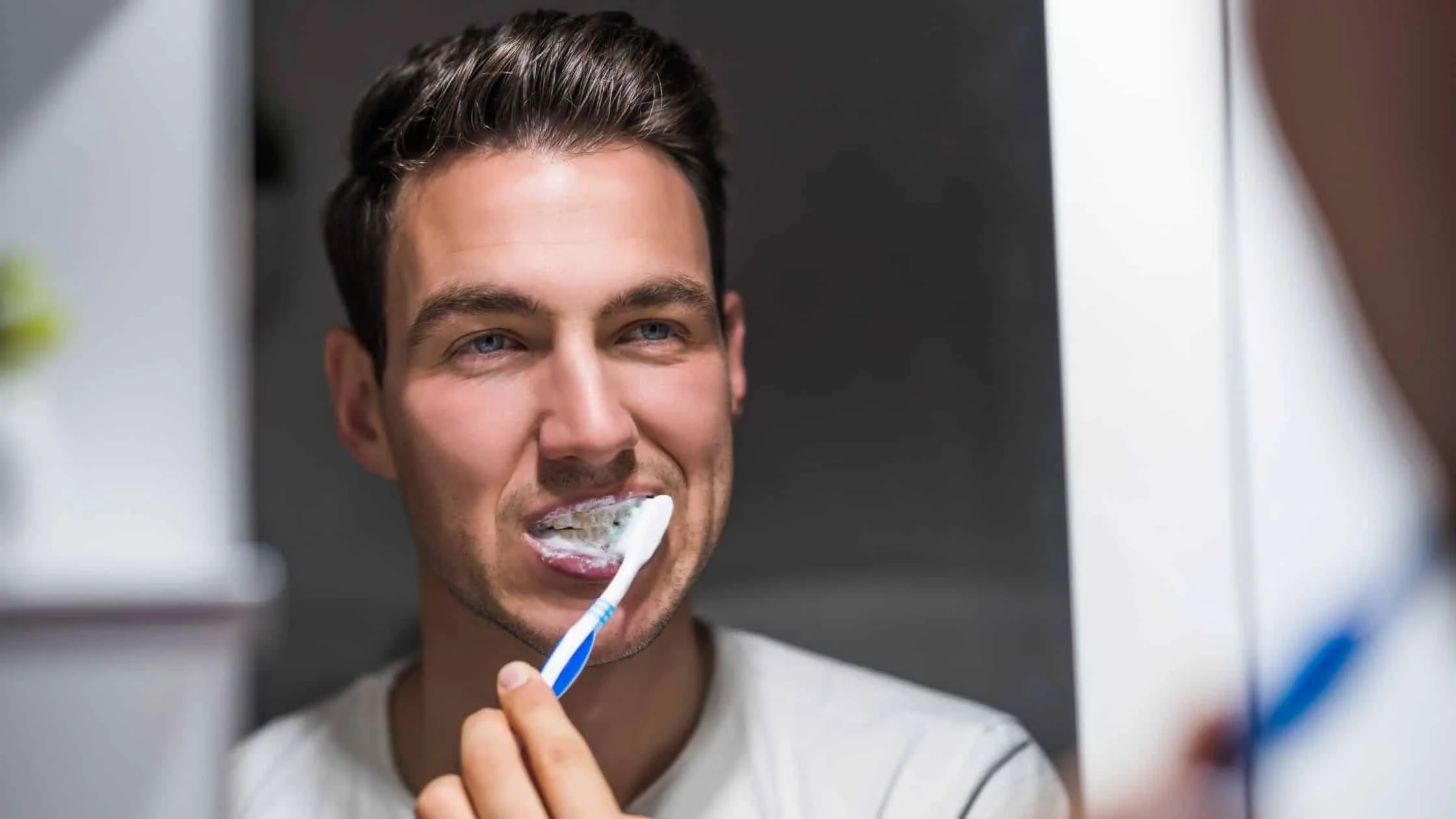
- Clinical Duration: Professional bodies recommend brushing for at least 2 full minutes. Dividing the dentition into four equal quadrants (upper right, upper left, lower right, lower left) with 30 seconds dedicated to each ensures balanced coverage.
- Daily Frequency: Brush twice daily. The bedtime brushing session is critical; salivary flow drops significantly during sleep, leaving teeth vulnerable to unchecked bacterial metabolic acids.
Comparative Matrix: Major Tooth Brushing Techniques
|
Brushing Technique |
Filament Placement & Angle |
Mechanical Stroke Mechanics |
Clinical Indication |
|
Modified Bass Technique |
45-degree angle to gumline |
Vibratory pulse + Coronal sweep |
All adults and periodontal patients (Gold standard) |
|
Stillman's Technique |
Bristles split between gum and tooth |
Vibratory pulses and tissue massage |
Patients with soft tissue recession |
|
Charters Technique |
45-degree angle pointed toward biting edge |
Short circular and back-and-forth strokes |
Post-periodontal surgery and fixed braces |
|
Fones Technique |
Perpendicular to closed teeth |
Large circular scrubbing sweeps |
Young children developing motor dexterity |
|
Horizontal Scrubbing |
90 degrees flat across teeth |
Rapid, aggressive horizontal sawing |
Contraindicated (Causes severe abrasion) |
Frequently Asked Questions
My gums bleed when I brush; should I stop brushing those areas?
No. Bleeding gums are the primary clinical sign of active gingival inflammation (gingivitis) triggered by plaque accumulation. Ceasing brushing allows plaque to multiply, worsening inflammation and driving bone loss. Continue brushing gently using a soft-bristled brush at a 45-degree angle paired with daily flossing; bleeding typically resolves within 3 to 5 days as tissues heal.
How should electric toothbrushes be manipulated compared to manual ones?
Do not apply manual sweeping or back-and-forth sawing strokes when using an electric toothbrush. Hold the powered head gently at a 45-degree angle against each individual tooth surface for 2 to 3 seconds, allowing the oscillating or sonic vibrations to clean the area before advancing to the next tooth.
Should you floss before or after brushing?
Clinical research indicates that flossing before brushing is more effective. Flossing dislodges interproximal food debris and breaks up interdental biofilm, allowing subsequent toothbrushing to sweep away loosened particles while enabling toothpaste fluoride to reach interproximal contact zones.
Why is rinsing with water immediately after brushing discouraged?
Modern toothpastes contain fluoride, calcium, and remineralizing agents designed to strengthen enamel. Rinsing thoroughly with water immediately washes away these active therapeutic agents. Spitting out excess foam without water rinsing leaves a protective mineral film that works for hours.
About the Author