


How to Clean a Night Guard? Maintenance and Storage Guide
Don't put off your smile. Message us now to discuss your treatment options with our expert dentists.
WhatsAppThe intense stress, anxiety, and fast-paced routines of modern life trigger various unconscious coping and tension mechanisms within the human body. One of the most physically damaging manifestations of this emotional stress is the involuntary clenching and grinding of teeth during sleep, known medically as bruxism. Bruxism triggers severe structural consequences: it grinds down protective dental enamel, shortens overall tooth length, creates micro-fractures, causes intense morning jaw and tension headaches, and eventually leads to chronic temporomandibular joint (TMJ) dysfunction. In modern clinical dentistry, the primary structural shield engineered to arrest this destruction and safeguard your dentition is a custom-made, clear night guard.
However, because these appliances spend hours in direct contact with oral saliva, active bacteria, and complex oral biofilms throughout the night, maintaining strict night plate cleaning habits is just as critical as the treatment itself. Neglecting proper care allows millions of harmful microorganisms to colonize the surface, leading to severe halitosis (bad breath), localized gum infections, and rapid yellow discoloration or warping of the polymer framework. This comprehensive YMYL guide provides the precise clinical guidelines required to protect the transparency and structural integrity of your oral appliance.
Table of Content
How to Clean Clear Night Dental Plate Appliances?
The specific hygiene loop you execute upon waking up and before bed directly tracks the optical quality and cleanliness of your oral guard. So, what are the precise steps for how to clean clear night dental plate appliances within a daily routine?
1. Instant Post-Waking Rinse
The absolute initial step is to thoroughly rinse your guard under cold or lukewarm running tap water immediately upon removing it from your mouth. This must be done before the saliva matrix dries. If oral fluids dry on the polymer surface, the structural proteins and minerals calcify into a dense biofilm layer that becomes incredibly difficult to remove later.
2. Mechanical Disruption via Gentle Brushing
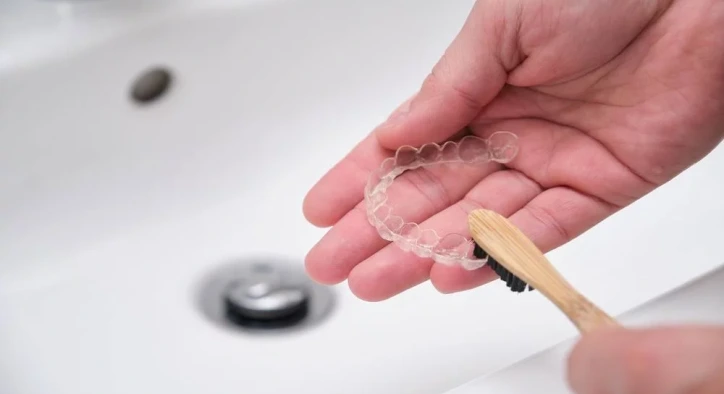
Simply rinsing with water is insufficient to fully remove microscopic bacterial colonies. You must implement a dedicated soft-bristled toothbrush reserved exclusively for cleaning your oral appliance. However, a major historical mistake made by patients is applying standard whitening or abrasive toothpastes to the clear polymer. The microscopic abrasive elements (such as silica compounds) found in regular toothpastes cut thousands of microscopic scratches into the smooth surface. Over time, these scratches erase the material's transparency, making it look cloudy and turning it into a perfect breeding ground for bacteria.
3. Implementing Clear Liquid Soap or Targeted Foams
Instead of abrasive pastes, clean your guard using a non-abrasive, clear liquid hand soap, mild baby shampoo, or specialized cleaning foams engineered specifically for clear dental polymers. Apply a small droplet of clear soap to the wet bristles, gently brush the internal and external contours using light circular strokes, and rinse thoroughly under running cold water until all soap traces are gone.
Advanced Night Plate Cleaning Frameworks
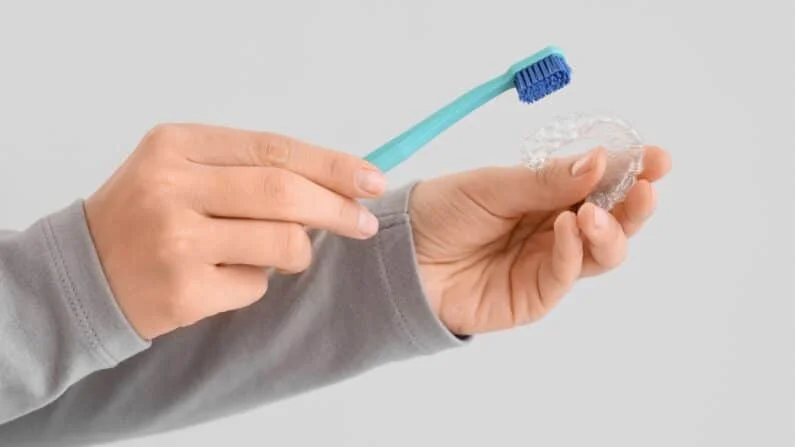
In addition to daily mechanical brushing, you must perform deep chemical sanitization two to three times a week to eliminate deep-seated oral microorganisms and trapped odors. Answering how to clean night guard surfaces safely requires utilizing dedicated night guard cleaning tablets.
- Tablet Sanitation: Drop a professional dental appliance cleaning tablet (such as Corega or alternative effervescent formulas) into a clean glass filled with room-temperature water. The moment the tablet dissolves and starts effervescing, submerge your clear night plate completely. Allow the guard to soak for the duration specified by the manufacturer (typically 5 to 15 minutes). These specialized tablets utilize targeted chemical configurations to eliminate 99.9% of trapped bacteria in hard-to-reach micro-porosities, neutralizing odors completely. Once the soaking window is complete, remove the appliance, brush it gently with water, and execute a final rinse.
How to Store Night Guard Appliances Safely?
Where and how your oral appliance rests when it is not inside your mouth determines its long-term structural lifespan. The strict protocol for how to store night guard assets involves these essential variables:
- Ensure Absolute Dryness: Placing a wet or damp guard into a sealed environment creates a dark, humid incubator where fungal strains (such as Candida albicans) and anaerobic bacteria multiply rapidly. Always dry the appliance thoroughly with a clean paper towel and allow it to air-dry completely at room temperature before locking it away.
- Utilize a Dedicated Ventilated Case: Always store your appliance inside its original protective container, which features engineered ventilation holes to allow continuous airflow. Storing devices in airtight, non-ventilated containers locks in residual moisture and accelerates bad odors.
- Keep Fully Insulated from Household Pets: The specific chemical components of modern clear dental polymers hold an odor profile that strongly stimulates the chewing instincts of pets, particularly domestic dogs and cats. Guards left exposed on nightstands are frequently chewed, fractured, and destroyed by pets.
- Avoid Direct Thermal Heat Exposure: Night guards are fabricated from specialized thermoplastic materials designed to adapt under specific thermal limits. Leaving your appliance on top of heating radiators, on window sills exposed to direct sunlight, or inside car glove compartments during summer will distort the polymer matrix, warping the device and ruining its clinical fit.
Structural Wear Metrics: How Long Does a Night Guard Last?
Living with bruxism requires understanding that a night guard is not a short-term fix; it is a long-term protective shield that remains necessary as long as the neurological habit of clenching continues. Consequently, the operational duration of how long to wear night guard configurations is generally lifelong for chronic bruxism patients, requiring consistent nightly use.
How Long Does a Night Guard Last?
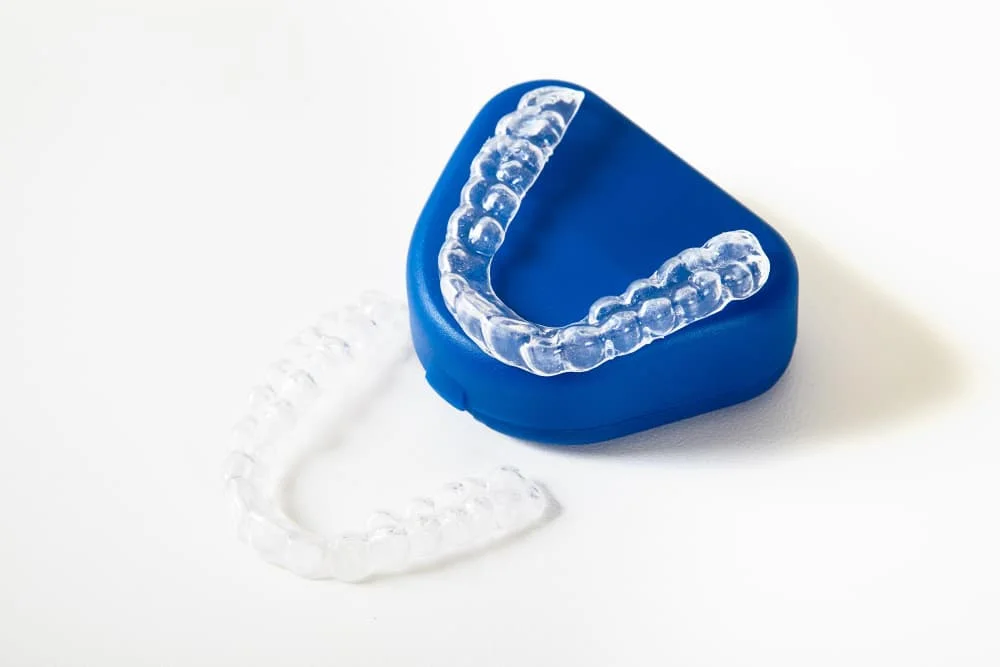
When fabricated from high-grade hard or semi-hard clinical polymers, the average structural how long does a night guard last window ranges securely between 6 months and 2 years. The definitive lifespan of the material tracks two primary dynamics:
- The Severity of the Clenching Force: In patients dealing with severe, acute bruxism, the immense load generated by hyperactive masseter muscles causes gradual micro-abrasion, material thinning, and eventual structural perforation. The moment a night guard exhibits a hole or tear, it loses its structural stability and must be immediately refabricated.
- Maintenance Diligence: Appliances subjected to incorrect cleaning steps can accumulate heavy calcification and severe discoloration, shortening their hygienic lifespan prematurely.
Frequently Asked Questions
Can you put night guard in water for extended periods?
Yes, if the night shift tray isn't going to be completely dried and put back in its case after being cleaned during the day, it can be briefly placed in clean, room-temperature water. However, the most critical limit to watch out for is the water temperature. The tray should absolutely not be placed in hot or boiling water. Boiling water instantly destroys the microscopic molecular structure of the thermoplastic material, causing the tray to shrink and rendering the device completely unusable.
Can you clean night guard with baking soda safely?
No. While there's a common belief that substances like baking soda or bleach whiten night guards, baking soda has a crystalline and abrasive structure. Rubbing the night guard surface with baking soda creates microscopic scratches in the transparent layer, removing the shine, dulling the appliance and making it more prone to staining in the long run. Only plaque tablets should be used for whitening.
How can you remove deep yellow stained night guard accumulations?
The transition of a clear guard into a dull yellow or tinted state points to the calcification of salivary minerals (tartar accumulation) directly onto the polymer base. To address light yellow stains, you can submerge the guard in a solution of equal parts white distilled vinegar and cold water for 10 to 15 minutes once a week, followed by a gentle brushing. However, if the yellow discoloration has penetrated deep into the structural polymer layers over a long period, it cannot be reversed at home. In these scenarios, the device must be brought to our clinic for professional ultrasonic sanitization or completely refabricated.
Should I continue wearing my clear night guard if I am suffering from the flu?
If you are managing an acute upper respiratory infection presenting with severe nasal congestion, violent coughing fits, or a high fever, it is highly recommended to pause your night guard use for a few days. Severe nasal obstruction forces you to breathe exclusively through your mouth; having an appliance in place under these conditions significantly decreases respiratory comfort and worsens oral dryness. Furthermore, the sudden jaw reflexes triggered by intense coughing can damage the appliance. Once fully recovered, disinfect the guard thoroughly before returning to nightly use.
About the Author