


How to Clean Dental Plaque? Essential Tips!
Don't put off your smile. Message us now to discuss your treatment options with our expert dentists.
WhatsAppThe invisible enemy of oral health, dental plaque, is often unnoticed but can have serious effects. Dental plaque is defined as a sticky, bacteria-laden layer that forms on the teeth. If not cleaned in time, it can lead to tooth decay, gum disease, and bad breath.
İçindekiler
- What is Dental Plaque and Why Does It Form?
- Home Methods for Cleaning Dental Plaque
- Professional Dental Plaque Cleaning
- The Role of Nutrition in Preventing Dental Plaque
- Dental Plaque and Gum Health
- Natural Methods for Dental Plaque Removal
- Technological Innovations in Dental Plaque Cleaning
- Plaque Cleaning and Oral Health
What is Dental Plaque and Why Does It Form?
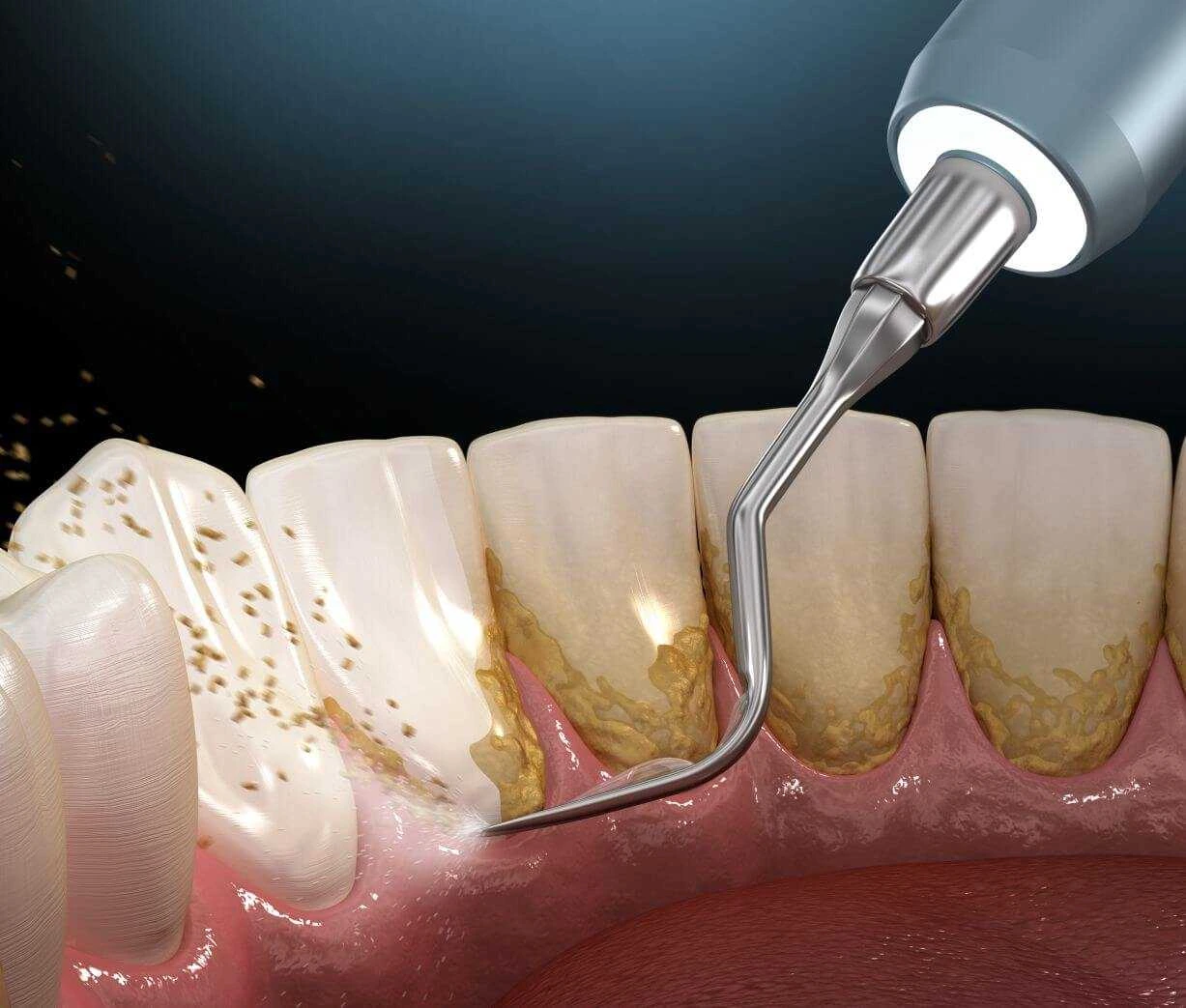
Dental plaque forms when naturally occurring bacteria in the mouth mix with food residues. Especially frequent consumption of sugary and starchy foods accelerates plaque formation. Initially soft and easy to remove, plaque can harden over time, turning into tartar.
Research shows that plaque accumulation can trigger gum inflammation and damage tooth enamel. Furthermore, tartar formation is directly linked to neglecting routine plaque removal. Understanding how dental plaque forms is the first step toward effective cleaning.
Home Methods for Cleaning Dental Plaque
At-home methods aim to reduce plaque formation and maintain healthy teeth. Brushing and flossing are fundamental measures.
- Brushing: Brushing twice daily with a soft-bristled brush cleans all surfaces of the teeth and significantly prevents plaque buildup.
- Flossing: Spaces between teeth and along the gum line are common areas for dental plaque accumulation. Flossing effectively removes plaque and food residues in these areas.
- Mouthwash: Antiseptic mouthwashes reduce bacterial numbers in the mouth and provide additional protection against plaque formation.
Combining these home methods creates an effective daily routine for dental plaque removal.
For more scientific guidance, you can refer to the American Dental Association's official guide.
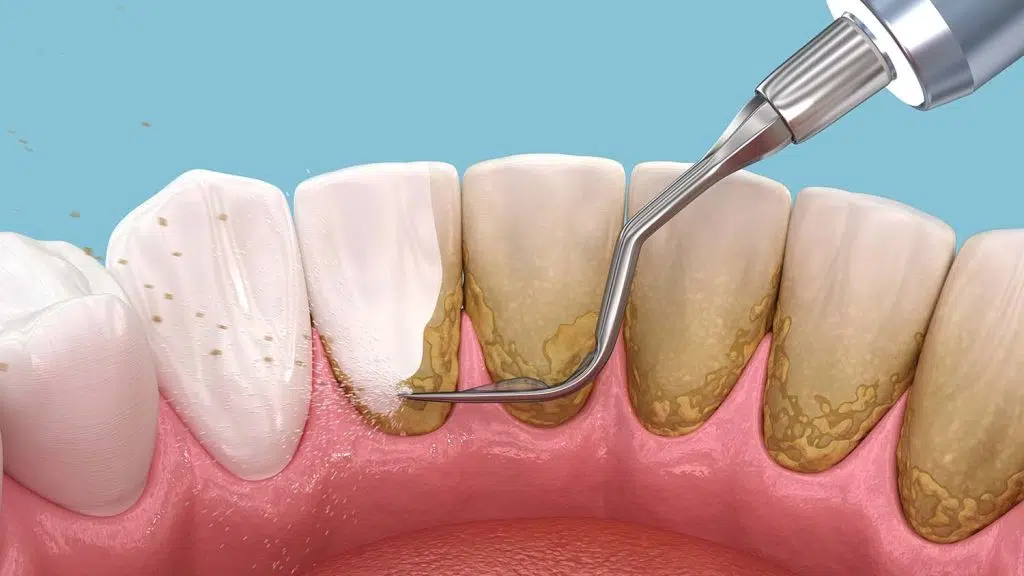
Professional Dental Plaque Cleaning
When home care is insufficient, professional interventions become essential. Dentists use specialized tools to prevent plaque and tartar buildup.
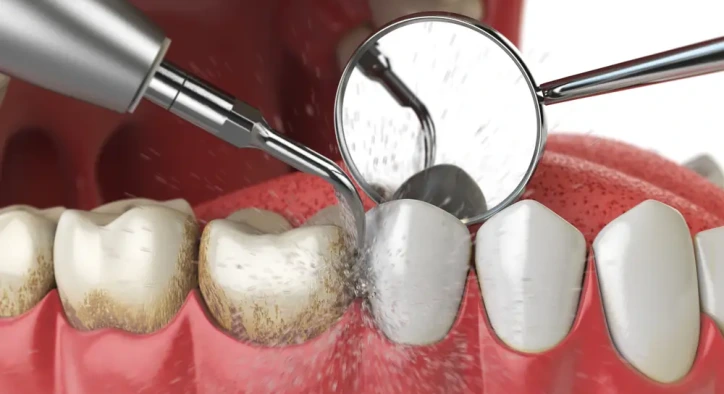
- Ultrasonic Cleaning: Vibrating devices gently remove hard plaque and tartar from teeth.
- Manual Cleaning: For sensitive areas, dentists use hand instruments to remove plaque.
Regular dental check-ups are critical, especially when plaque accumulation is not visually noticeable. Professional cleaning is essential not only for aesthetic reasons but also for long-term oral health.
The Role of Nutrition in Preventing Dental Plaque
Nutrition plays a major role in dental plaque formation. Sugary and sticky foods accelerate plaque buildup, while certain foods help naturally clean teeth.
- Apples and Carrots: Mechanically clean teeth and stimulate saliva production.
- Crunchy Vegetables: Broccoli, celery, and similar vegetables scrub tooth surfaces naturally.
- Water Intake: Adequate hydration balances mouth acidity and slows plaque formation.
A balanced diet combined with regular oral hygiene minimizes dental plaque accumulation.
Dental Plaque and Gum Health
Plaque accumulation affects not only teeth but also gums. Gum diseases often begin with plaque buildup.
- Gingivitis: Plaque causes redness, swelling, and bleeding of the gums.
- Periodontitis: Advanced plaque accumulation can lead to gum recession and bone loss.
Maintaining healthy gums is directly linked to controlling dental plaque. Paying special attention to gum care is crucial.
Natural Methods for Dental Plaque Removal
Some natural methods may support plaque reduction. While evidence is limited, these practices have shown some benefits.
- Brushing with Baking Soda: Brushing once a week with baking soda lightly abrades teeth and helps remove plaque.
- Green Tea Consumption: Its antioxidants can reduce bacterial growth in the mouth.
- Oil Pulling: Swishing coconut or sesame oil may reduce plaque formation according to some studies.
Natural methods support daily cleaning but should not replace main cleaning routines.
Technological Innovations in Dental Plaque Cleaning
Recently, technology-based tools have become useful for supporting plaque removal.
- Electric Toothbrushes: More effective in removing plaque than traditional brushes.
- Water Flossers: Clean food residues and plaque between teeth using water pressure.
- Smart Brushes: Connected apps monitor brushing habits and improve oral care.
These devices help reach difficult areas, enhance plaque removal, and optimize oral hygiene routines.
Plaque Cleaning and Oral Health
Dental plaque, if not addressed early, can seriously affect teeth and gums. Brushing, flossing, professional cleaning, and dietary control are the most effective ways to manage plaque buildup. Technological tools and natural methods complement these strategies.
With regular monitoring, conscious cleaning habits, and proper routines, dental plaque can be controlled, ensuring long-term oral health.
About the Author