


What is the Maryland Bridge? Advantages and Disadvantages
Don't put off your smile. Message us now to discuss your treatment options with our expert dentists.
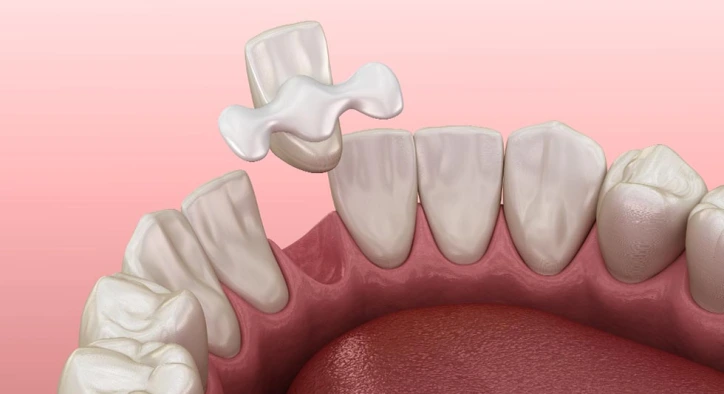
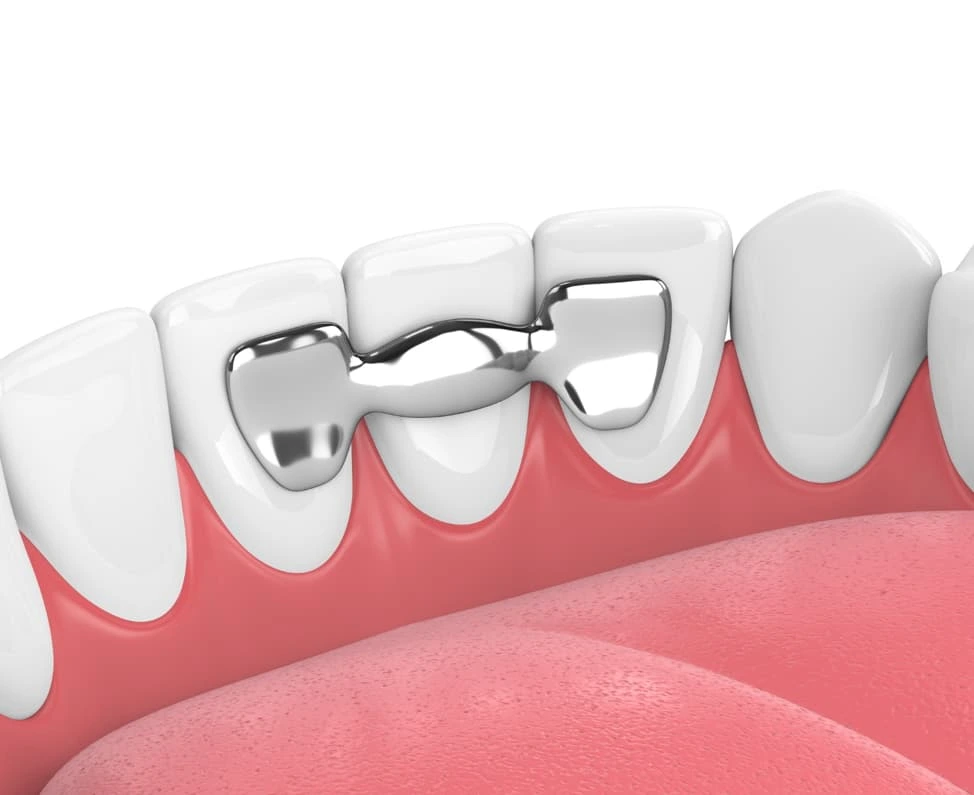
WhatsAppA Maryland Bridge is an effective method in modern dentistry for restoring missing teeth both aesthetically and functionally. Unlike traditional dental bridges, this type minimizes damage to adjacent teeth and typically consists of metal frameworks with porcelain wings. Maryland bridges are especially preferred for patients concerned with aesthetics in the front teeth.
İçindekiler
Key Features of a Maryland Bridge
A Maryland Bridge is made with specially designed metal wings and a porcelain surface. This structure allows it to replace missing teeth without harming natural teeth. Its lightweight yet sturdy design protects gum health while providing an aesthetically pleasing look.
It is commonly used for replacing one or two missing teeth and can serve as an alternative to implants or traditional bridges. The procedure is usually quick, and its cost is lower than most traditional bridges.
Advantages of a Maryland Bridge
Using a Maryland Bridge offers several benefits:
- Minimal Intervention: Little to no grinding of adjacent teeth is required.
- Aesthetic Appearance: Porcelain surface matches the natural tooth color.
- Quick Procedure: Often completed in a single visit.
- Cost-Effective: Cheaper than traditional bridges or implants.
- Reversible: Can be removed or replaced easily if needed.
These advantages make Maryland bridges especially appealing to young patients and those with missing front teeth.
Disadvantages of a Maryland Bridge
Although advantageous, a Maryland Bridge has some limitations:
- Durability: May be weaker under excessive biting or chewing forces.
- Limited Use Cases: Not suitable for multiple missing teeth.
- Adhesion Issues: Metal wings may sometimes have short-term bonding challenges.
These disadvantages should be considered based on the patient’s tooth structure and lifestyle.
Maryland Bridge Procedure
The procedure typically involves the following steps:
- Evaluation of missing teeth and adjacent teeth
- Minimal preparation and impression taking
- Laboratory fabrication of the bridge
- Placement and bonding of the bridge
This process is minimally invasive, enhancing patient comfort and is generally completed within a few hours.
Maryland Bridge and Aesthetics
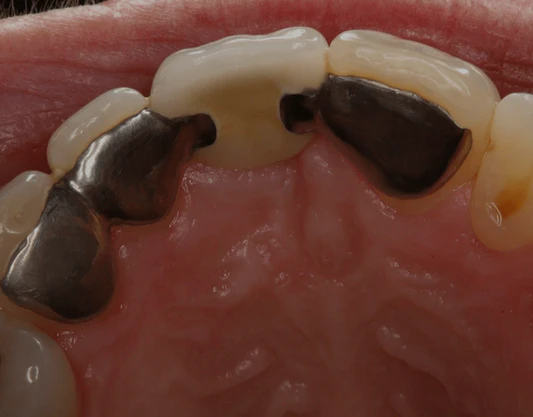
A Maryland Bridge offers superior aesthetics, particularly for front teeth. Metal wings are invisible, and the porcelain portion blends seamlessly with the natural tooth color, making it ideal for smile design and facial appearance.
Its aesthetic benefits boost self-confidence and positively affect social interactions. The design also supports healthy gum tissue maintenance.
Maryland Bridge and Oral Health
A Maryland Bridge preserves natural teeth by minimizing interference with adjacent teeth. Unlike traditional bridges that may require extensive grinding, this method retains most of the natural tooth structure.
Cleaning and maintenance are easier compared to classic bridges. With regular brushing and flossing, it can offer a long-lasting solution.
Maryland Bridge Costs and Economics
The cost of a Maryland Bridge varies depending on material quality, laboratory fees, and the number of teeth being replaced. Generally, it is more affordable than implants or traditional bridges.
Its economical nature makes it a preferred choice for patients with limited budgets, and low maintenance costs provide long-term financial benefits.
Alternatives to Maryland Bridges
Alternatives to a Maryland bridge include:
- Dental Implants: Provide a permanent and durable solution.
- Traditional Bridges: Suitable for replacing multiple missing teeth.
- Removable Dentures: Temporary or cost-effective option.
Alternatives should be considered based on tooth structure, budget, and aesthetic expectations.
Research and Data on Maryland Bridges
Recent studies indicate that Maryland Bridges have a success rate of approximately 90% for front tooth replacement. Clinical trials show that bonding issues with metal wings are rare.
Patient satisfaction surveys also reflect high levels of comfort and aesthetic approval, supporting Maryland bridges as a reliable solution.
In summary, a Maryland Bridge provides a minimally invasive, aesthetic, and cost-effective solution for missing teeth. While its advantages are prominent in the front teeth, durability limitations should be considered. The procedure is quick and comfortable, and patients should consult their dentist to choose the most suitable treatment option.
For more information and examples, you can visit American Dental Association and Colgate resources.
About the Author