


What Causes Gum Overgrowth? Treatment Methods and Surgery
Don't put off your smile. Message us now to discuss your treatment options with our expert dentists.
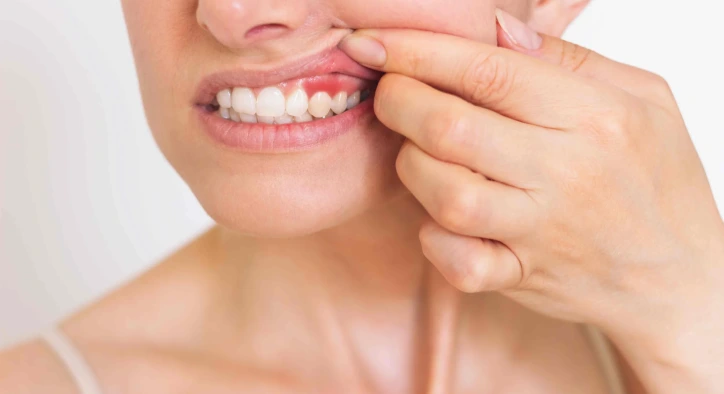
WhatsAppHealthy gingival architecture tightly collars the cervical margins of natural teeth, exhibiting a stippled coral-pink consistency with knife-edged margins feathering against enamel. However, chronic exposure to plaque toxins, therapeutic systemic medications, endocrine fluctuations, or genetic factors can trigger excessive fibroblastic cellular proliferation (hyperplasia) or cellular volume enlargement (hypertrophy). When marginal tissues proliferate coronally to cover portions of the dental crown, the clinical presentation is termed gum overgrowth (gingival enlargement or gingival hyperplasia).
Beyond generating cosmetic smile concerns, enlarged gingiva prevents adequate interdental hygiene, bleeds spontaneously during mastication, harbors foul-smelling anaerobic bacteria, and generates pseudopockets that accelerate subgingival alveolar bone loss.
Table of Content
- What Is Gum Overgrowth?
- What Causes Gum Overgrowth?
- Pregnancy Gum Overgrowth
- Gum Overgrowth with Braces: Orthodontic Hyperplasia
- Gum Overgrowth in Children: Pediatric Considerations
- Does Gum Overgrowth Go Away on Its Own?
- Gum Overgrowth Surgery (Gingivectomy): Step-by-Step
- Comparative Matrix: Types of Gum Overgrowth and Treatment Strategies
- Frequently Asked Questions
What Is Gum Overgrowth?
In periodontology, gingival enlargement is categorized into four primary forms:
- Inflammatory Overgrowth: Chronic marginal tissue edema driven by soft plaque biofilms and calcified calculus. Tissues appear dark red, spongy, and friable, bleeding instantly upon probing.
- Drug-Induced Gingival Overgrowth (DIGO): Triggered by daily medications such as calcium channel blockers for hypertension (amlodipine, nifedipine), antiepileptics (phenytoin), or post-transplant immunosuppressants (cyclosporine). Tissues present as pale pink, dense, firm, and lobulated nodular masses.
- Hormonal Gingival Overgrowth: Driven by elevated systemic estrogen and progesterone during puberty, pregnancy, or hormone replacement, heightening vascular permeability.
- Hereditary Fibromatosis and Systemic Enlargements: Rare genetic fibroblastic mutations or secondary cellular infiltrations linked to systemic leukemia.
What Causes Gum Overgrowth?
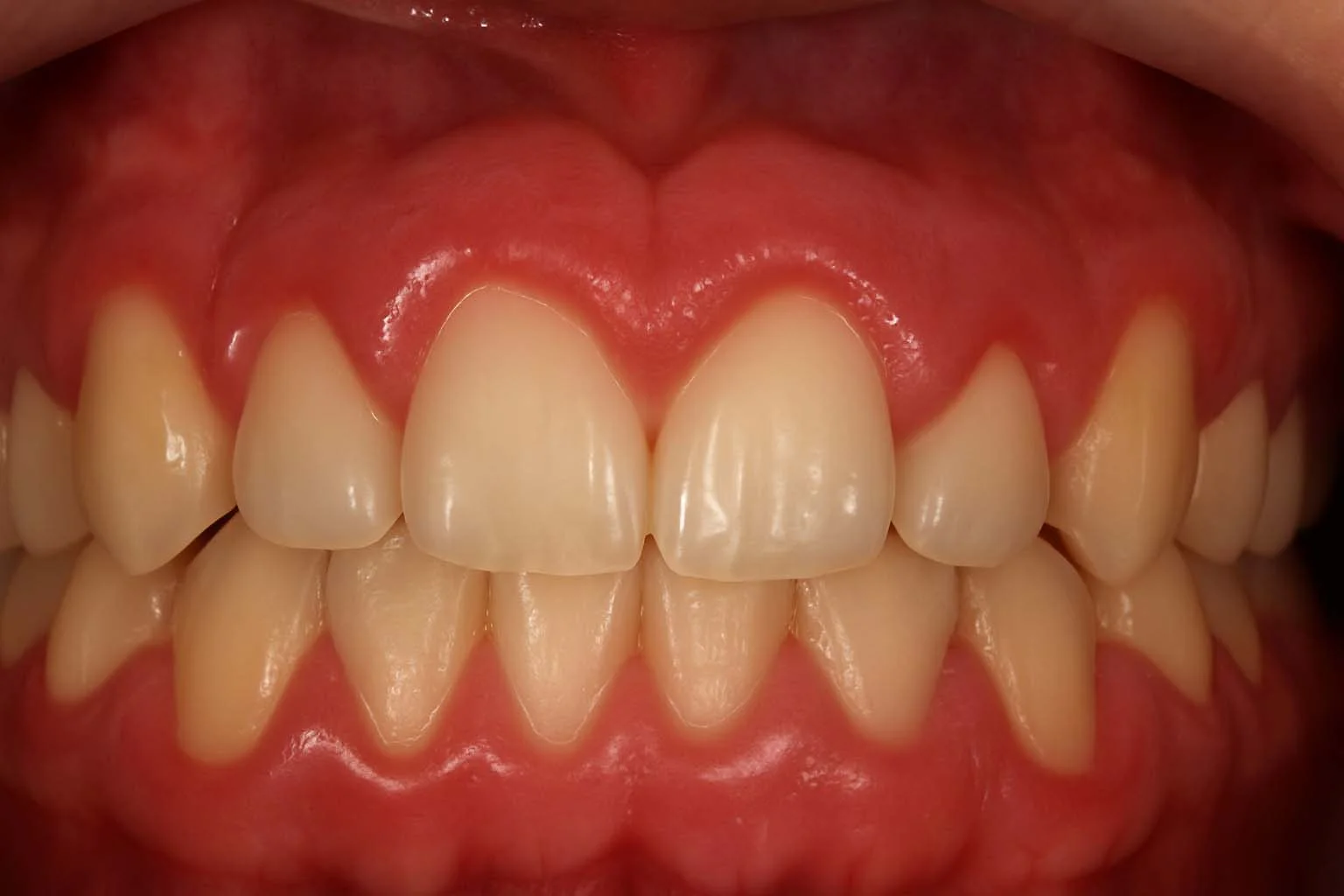
When determining what causes gum overgrowth, clinical evaluations focus on several key systemic and local factors:
- Plaque Biofilms and Calculus: Neglected home oral hygiene allows anaerobic bacteria to populate the gingival sulcus, triggering a localized inflammatory tissue response.
- Chronic Medication Regimens: Long-term administration of phenytoin, cyclosporine, or calcium channel blockers alters cellular collagen synthesis and inhibits matrix metalloproteinases, preventing normal collagen breakdown.
- Endocrine Surges: Elevated steroid sex hormones during pregnancy increase vascular permeability and cellular reactivity to minor plaque irritants.
- Defective Restorative Margins: Overhanging composite margins, unpolished restorations, and ill-fitting crown contours impinge on biological width, causing chronic proliferation.
- Mouth-Breathing Habits: Habitual oral respiration dries out anterior labial gingiva, stripping away protective salivary immunoglobulins and stimulating reactive hyperplasia.
- Nutritional Deficiencies: Severe ascorbic acid (Vitamin C) deficiency impairs collagen cross-linking, producing swollen, hemorrhagic tissues.
Pregnancy Gum Overgrowth
Hormonal surges frequently drive pregnancy gum overgrowth, particularly across the second and third trimesters:
- Clinical Signs: Tissues appear engorged, deep red, and bleed readily during routine flossing or eating. In some cases, localized mushroom-like fibrovascular stalks (pregnancy granulomas) erupt from interdental papillae.
- Fetal Risks: These localized growths are benign and pose no direct threat to fetal health. However, secondary infections must be managed to eliminate systemic bacterial bacteremia.
- Postpartum Regression: Once postpartum hormone levels normalize, mild hormonal enlargements often regress spontaneously.
Gum Overgrowth with Braces: Orthodontic Hyperplasia
A frequent complication is gum overgrowth with braces:
- Fixed brackets, archwires, and ligature ties create plaque-retentive areas that are difficult to clean.
- Inadequate hygiene allows undisturbed biofilm around brackets to irritate marginal tissues continuously.
- Edematous gingival margins proliferate over brackets, slowing tooth movement and complicating wire adjustments. Dedicated use of interdental brushes and water flossers is essential for orthodontic patients.
Gum Overgrowth in Children: Pediatric Considerations
Pediatric evaluations of gum overgrowth in children typically reveal three primary scenarios:
- Eruption Cysts / Hematomas: As primary teeth exfoliate and permanent teeth erupt, overlying tissues can swell with a bluish tint, resolving spontaneously once the tooth emerges.
- Puberty Gingivitis: Exaggerated soft tissue reactions to minor plaque deposits common in adolescents aged eleven to sixteen due to surging sex hormones.
- Hygiene Non-Compliance: Plaque-induced inflammatory enlargement resulting from improper brushing techniques.
Does Gum Overgrowth Go Away on Its Own?
Addressing does gum overgrowth go away on its own requires distinguishing between tissue types:
- Spontaneous Regression: Only mild hormonal swells (such as postpartum pregnancy gingivitis or puberty-related inflammation) may diminish on their own once hormone levels stabilize.
- Non-Reversible Overgrowth: Enlargement caused by calcified calculus, chronic plaque deposits, dense fibrous hyperplasia, or medications will not resolve on its own.
- Enlarged tissues create pseudopockets that trap additional bacteria, reinforcing an inflammatory cycle that demands professional intervention.
How to Treat Gum Overgrowth: Evidence-Based Modalities
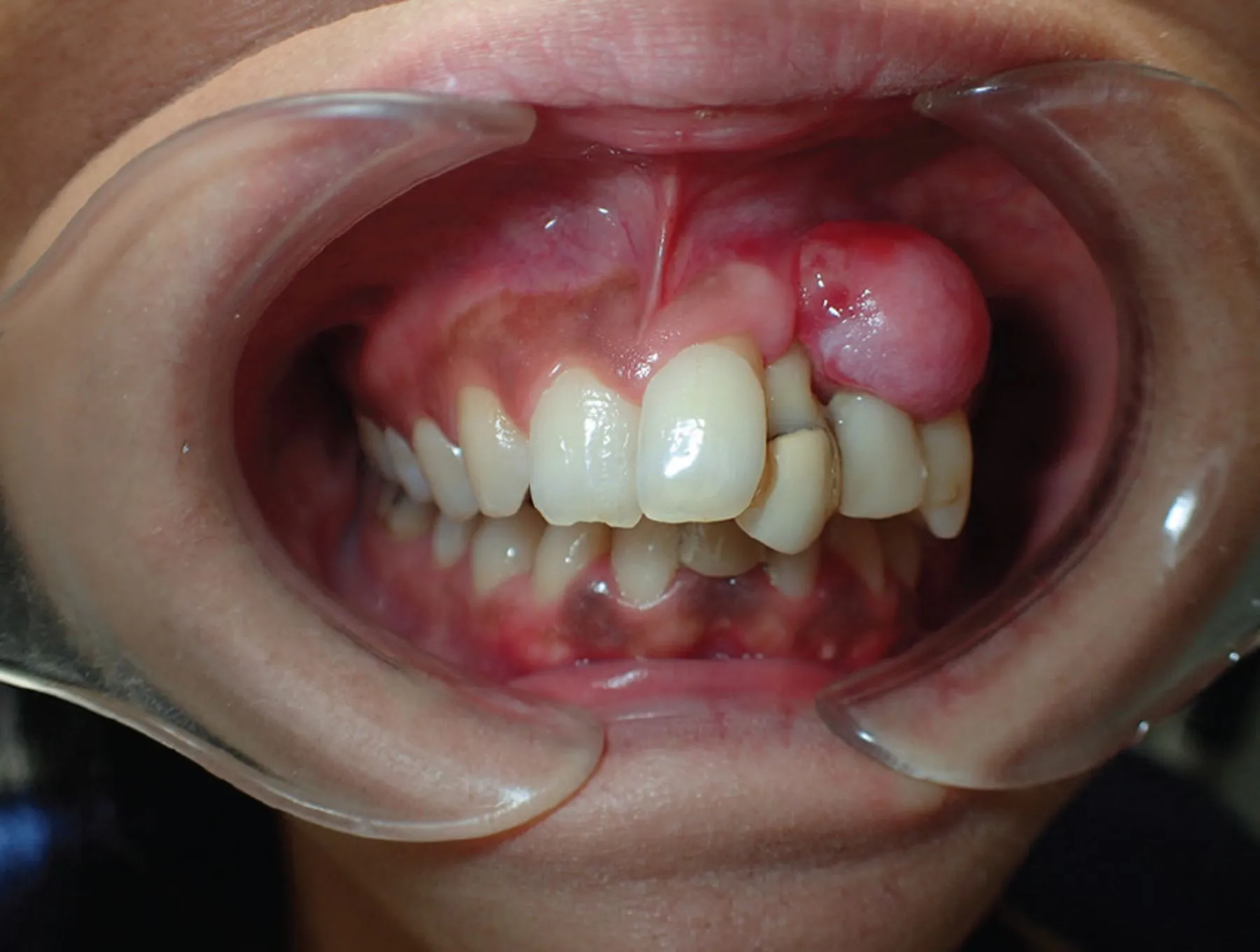
Explaining how to treat gum overgrowth involves structured gum overgrowth treatment methods tailored to etiology:
1. Scaling and Root Planing (Periodontal Debridement)
Ultrasonic scalers and specialized Gracey curettes eliminate subgingival calculus, endotoxins, and plaque deposits, allowing inflammatory edema to drain and tissues to shrink.
2. Medical Consultation and Drug Substitution
For drug-induced hyperplasia, collaborating with the prescribing physician to transition to an alternative medication class (e.g., substituting an ACE inhibitor for a calcium channel blocker) halts fibroblastic stimulation.
3. Soft-Tissue Laser Decontamination
Diode or Erbium dental lasers vaporize excess inflamed pocket linings, sterilize deep microbial niches, and promote rapid soft-tissue coagulation without scalpel incisions.
4. Corrective Gum Overgrowth Surgery (Gingivectomy)
When chronic tissue proliferation has organized into dense, irreversible fibrous architecture, surgical recontouring becomes mandatory.
Gum Overgrowth Surgery (Gingivectomy): Step-by-Step
Despite sounding invasive, gum overgrowth surgery is an outpatient, comfortable micro-surgical procedure:
- Local Anesthesia Delivery: Modern local anesthetics fully desensitize the operative field, ensuring a completely pain-free procedure.
- Gingivectomy (Excess Tissue Resection): Using micro-surgical scalpels, electrosurgical units, or dental lasers, the overgrown gingival collar is excised to restore anatomical crown proportions.
- Gingivoplasty (Physiological Sculpting): The margins are contoured with rotary diamonds or lasers to recreate natural, physiological knife-edged margins and scalloped architecture.
- Post-Surgical Healing: Sutures are rarely required, particularly when lasers are utilized. Mild tenderness resolves within forty-eight hours, with complete re-epithelialization achieved in seven to fourteen days.
Comparative Matrix: Types of Gum Overgrowth and Treatment Strategies
|
Clinical Classification |
Primary Etiological Trigger |
Tissue Consistency |
Primary Treatment Strategy |
|
Inflammatory Enlargement |
Plaque and subgingival calculus |
Soft, edematous, hemorrhagic |
Ultrasonic Scaling + Root Planing |
|
Drug-Induced Hyperplasia |
Antihypertensives, anticonvulsants |
Pale, dense, fibrous, nodular |
Drug Substitution + Gingivectomy |
|
Pregnancy Gingival Epulis |
Estrogen and progesterone spikes |
Vascular, lobulated, bleeds easily |
Periodontal Debridement + Postpartum Care |
|
Orthodontic Hyperplasia |
Biofilm trapped around brackets |
Swollen, covers bracket wings |
Laser Debridement + Meticulous Flossing |
Frequently Asked Questions
Does gum overgrowth surgery hurt?
No. Local anesthesia completely desensitizes the gums and surrounding alveolar structures before the procedure begins. Patients feel only light mechanical contact. Any post-operative soreness is mild and easily controlled with standard over-the-counter analgesics like ibuprofen.
What happens if gingival overgrowth is left untreated?
Neglected overgrowth creates deep pseudopockets where anaerobic bacteria thrive undisturbed. Over time, bacteria destroy the periodontal ligament and alveolar bone, culminating in true periodontitis, tooth mobility, and eventual tooth loss.
Is laser gingivectomy better than traditional scalpel surgery?
Dental lasers offer distinct clinical advantages over scalpels: they seal blood vessels instantly for a bloodless field, eliminate the need for sutures, reduce post-operative pain and swelling, and accelerate soft tissue healing.
Can warm salt water rinses cure gum overgrowth?
Warm salt water rinses soothe acute surface inflammation and reduce tissue edema, but they cannot remove calcified subgingival calculus or reverse fibrous tissue growth. Professional clinical treatment is necessary for definitive correction.
About the Author