


What Causes Toothache Without Cavities, and Is It Normal?
Don't put off your smile. Message us now to discuss your treatment options with our expert dentists.
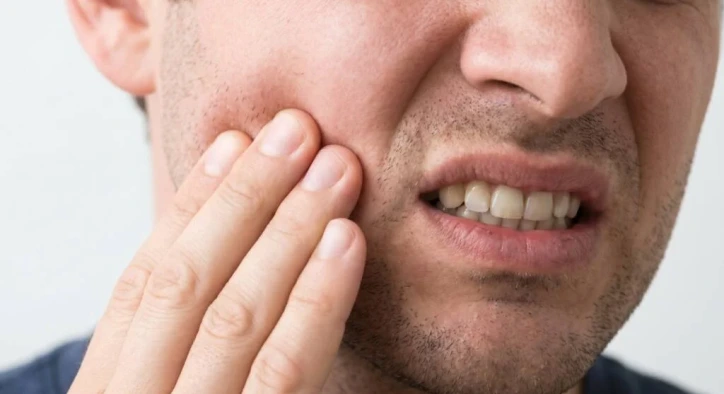
WhatsAppWhen individuals experience dental pain, the initial assumption is typically advanced dental caries penetrating the enamel into the dental pulp. However, many patients present to dental clinics experiencing throbbing, pressure-sensitive, or thermal pain in teeth that appear entirely intact and free of visible decay. This clinical scenario, known as toothache without decay, points to underlying mechanical, anatomical, or neurological conditions.
Pain in a visibly healthy tooth can originate from excessive masticatory forces, periodontal ligament strain, alveolar bone loss, or referred pain from maxillary sinus inflammation.
Table of Content
- Why Does a Tooth Hurt Without Decay?
- What Causes Non-Decayed Tooth Sensitivity?
- Why Does a Non-Decayed Tooth Become Loose?
- Can a Tooth Without Decay Get an Abscess?
- What Is Good for Toothache Without Decay? Home Care & Relief
- Should a Non-Decayed Tooth Be Extracted?
- Comparative Matrix: Non-Decayed Toothache Causes and Treatments
- Frequently Asked Questions
Why Does a Tooth Hurt Without Decay?
In endodontic and periodontal science, six primary etiologies explain why does a tooth hurt without decay:
- Bruxism & Clenching: Involuntary nocturnal clenching or grinding subjects teeth to heavy forces, traumatizing the periodontal ligament fibers that anchor roots to alveolar bone. This causes morning soreness and tenderness upon biting.
- Cracked Tooth Syndrome: Micro-cracks within enamel and dentin that evade routine visual and radiographic detection flex during mastication, stimulating the dental pulp and causing sharp, transient pain upon releasing bite pressure.
- Maxillary Sinusitis (Referred Pain): The roots of maxillary molars and premolars lie in close proximity to the floor of the maxillary sinus. Inflammation and fluid accumulation within the sinus cavity exert pressure on adjacent nerve endings, producing throbbing discomfort across upper back teeth.
- Gingival Recession & Exposed Root Surfaces: Aggressive brushing or periodontal disease causes gingival margins to recede, stripping protective cementum and exposing open dentinal tubules to thermal and chemical stimuli.
- Trauma-Induced Pulpal Necrosis: Historical blunt trauma to a tooth (sports injury, accidental blow) can sever apical blood supply without breaking the crown. Over months or years, the devitalized pulp undergoes silent necrosis and develops periapical infection.
- Occlusal Interference (High Restorations): A newly placed restoration or crown that is elevated by a fraction of a millimeter absorbs disproportionate masticatory force, precipitating acute traumatic pericementitis.
What Causes Non-Decayed Tooth Sensitivity?

Experiencing non-decayed tooth sensitivity typically stems from non-carious cervical loss (NCCL):
- Acid Erosion: Frequent dietary acid intake (citrus, sodas) or gastroesophageal reflux dissolves surface enamel.
- Toothbrush Abrasion: Scrubbing teeth with hard bristles in horizontal motions wears away enamel at the cervical margin.
- Abfraction: Mechanical flexure of the tooth under heavy bruxism causes microscopic enamel crystal loss along the gumline.
These processes expose underlying dentin, allowing thermal changes to stimulate pulp nerves via hydrodynamic fluid movement.
Why Does a Non-Decayed Tooth Become Loose?
Observing tooth mobility in an intact tooth is a source of significant concern. Addressing why does a non-decayed tooth become loose centers on the supporting structures:
- Advanced Periodontal Disease (Periodontitis): Subgingival calculus and pathogenic bacteria destroy supporting alveolar bone. Without bone support, an intact, cavity-free tooth loosens.
- Acute Occlusal Trauma: Heavy grinding or biting on a hard object inflames the periodontal ligament space, pushing the tooth slightly out of its socket and causing transient mobility and tenderness.
Can a Tooth Without Decay Get an Abscess?
Patients often equate abscesses exclusively with cavities. So, can a tooth without decay get an abscess?
Yes, it can. Non-carious teeth develop abscesses through two distinct pathways:
- Periodontal Abscess: Foreign particles (e.g., popcorn hulls, seeds) or deep calculus deposits trapped inside a deep periodontal pocket cause localized purulent infection.
- Periapical Abscess via Necrosis: Teeth that lost vitality due to physical trauma or deep retrograde periodontal infection develop root-tip abscesses despite intact crowns.
What Is Good for Toothache Without Decay? Home Care & Relief
For sudden flare-ups, here is what is good for toothache without decay and how to relieve toothache without decay:
- Warm Salt Water Rinse: Dissolve half a teaspoon of salt in warm water to reduce soft tissue edema and gingival pocket inflammation.
- Gentle Interdental Cleaning: Use dental floss or an interdental brush to clear trapped food debris wedged between contact points.
- Conscious Jaw Relaxation: Practice keeping lips closed and teeth apart throughout the day to avoid daytime clenching.
- Desensitizing Toothpaste: Apply a small amount of potassium nitrate or hydroxyapatite toothpaste directly to sensitive cervical areas.
- Head Elevation: Use extra pillows while resting to reduce cephalic vascular pressure and throbbing.
- Over-the-Counter Analgesics: Take acetaminophen or ibuprofen as directed if not medically contraindicated.
Should a Non-Decayed Tooth Be Extracted?
Addressing should a non-decayed tooth be extracted depends on diagnostic classification:
- Preservation in Most Cases: Pain from bruxism, sinus pressure, occlusal prematurity, or cervical sensitivity does not warrant extraction; nightguards, occlusal adjustment, and desensitizing therapies preserve the tooth.
- Endodontic Management: Teeth with traumatic pulpal necrosis or cracks extending into the pulp chamber are preserved via root canal therapy.
- Extraction Indications: Extraction is indicated only when a vertical root fracture splits the root longitudinally beneath the bone crest or when advanced periodontitis causes complete alveolar bone loss.
Comparative Matrix: Non-Decayed Toothache Causes and Treatments
|
Pain Character and Symptom |
Potential Etiology |
Definitive Clinical Treatment |
|
Dull morning ache across jaw and teeth |
Nocturnal Bruxism (Grinding) |
Custom Occlusal Nightguard |
|
Sharp pain on releasing bite pressure |
Cracked Tooth Syndrome |
Full-Coverage Crown / Onlay |
|
Bilateral throbbing in upper molars |
Maxillary Sinusitis |
Medical ENT Care / Decongestants |
|
Sharp thermal sensitivity to cold/air |
Gingival Recession / Enamel Loss |
Desensitizing Agents / Composite Bonding |
|
Localized gum swelling and suppuration |
Periodontal Pocket Infection |
Deep Scaling and Root Planing |
|
Severe throbbing upon tapping tooth |
Traumatic Pulpal Necrosis |
Root Canal Therapy (Endodontics) |
Frequently Asked Questions
Can a tooth without decay need a root canal?
Yes. If a tooth loses nerve vitality from physical trauma, develops a crack communicating with the pulp, or suffers retrograde infection from deep periodontal pockets, root canal treatment is necessary to eradicate internal infection regardless of whether a cavity is present.
Can sinus infections mimic a toothache?
Yes. The maxillary sinuses rest directly above the root tips of upper premolars and molars. Sinus congestion and inflammation press on these dental nerve endings, generating referred throbbing pain across multiple upper teeth. The tooth pain resolves once the sinus infection is cleared.
How quickly does bruxism-related tooth pain resolve?
Relieving excessive occlusal load allows inflamed periodontal ligament fibers to heal. Once a custom nightguard is worn consistently and daytime clenching is managed, discomfort typically subsides within 3 to 7 days.
Can a loose tooth without decay become firm again?
If mobility is caused by acute occlusal trauma or bruxism, removing the traumatic contact and wearing a nightguard allows ligament fibers to tighten. If mobility stems from severe periodontitis, professional periodontal therapy can stabilize the tooth, though lost bone support cannot always be fully regenerated.
About the Author