



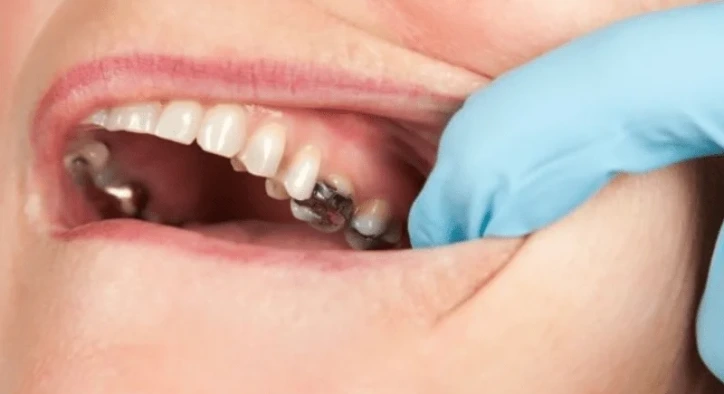
What Is a Lost Filling? Causes, Symptoms and Emergency Action
Don't put off your smile. Message us now to discuss your treatment options with our expert dentists.
WhatsAppDental fillings are primary restorative procedures designed to rebuild the anatomical form, structural integrity, and masticatory function of teeth compromised by decay or physical trauma. Although modern amalgam, composite, or ceramic fillings demonstrate high mechanical strength, they can eventually dislodge or fracture due to continuous masticatory stresses, microleakage, secondary recurrent caries, or degradation of the adhesive bonding agent. Identifying the loss of a filling is not merely a cosmetic issue; it represents a dental emergency that leaves delicate internal tooth structures vulnerable to immediate bacterial contamination.
When a lost temporary filling after root canal therapy occurs or a deep permanent composite fails, the vital pulp tissue or disinfected root canal system is directly exposed to intraoral fluids and bacteria. This exposure can trigger intense thermal sensitivity, severe throbbing pain, and potential pulpal necrosis if restorative care is delayed. This comprehensive YMYL master guide explores signs of a lost filling, analyzes causes of a lost filling, addresses does a lost filling cause pain, outlines home steps for a lost temporary filling, and details modern restorative protocols for replacing a lost dental filling.
Table of Content
- Signs of a Lost Filling: How to Identify the Issue
- Causes of a Lost Filling: Understanding the Triggers
- Does a Lost Filling Cause Pain?
- Lost Temporary Filling After Root Canal
- Emergency Steps to Take at Home
- Comparative Matrix: Defect Scale vs. Restorative Treatment Options
- Frequently Asked Questions
Signs of a Lost Filling: How to Identify the Issue
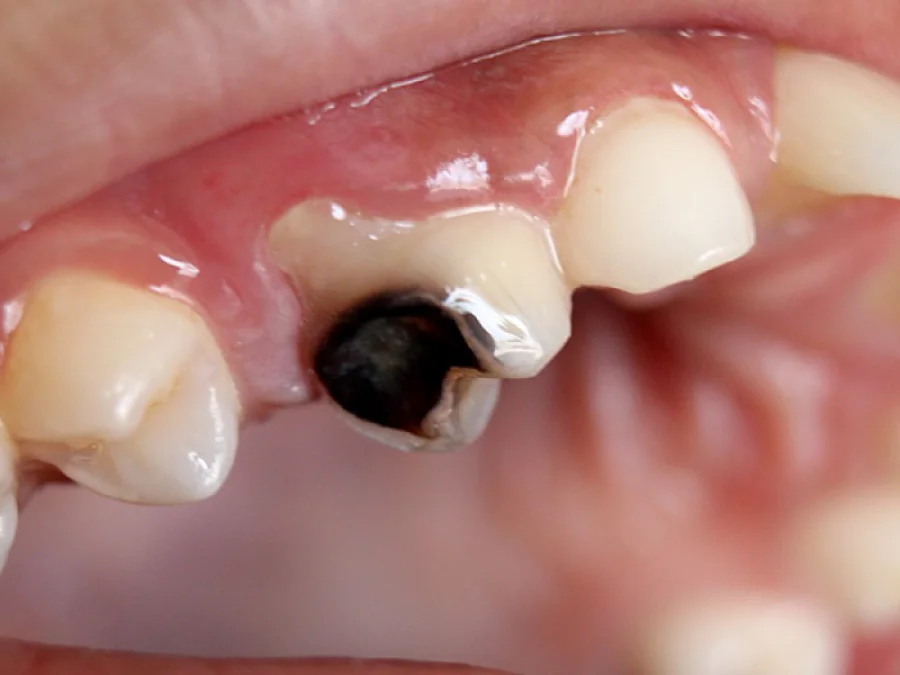
Patients frequently ask how to confirm the loss of a filling. Key clinical signs of a lost filling include:
- Sudden Intraoral Void or Hard Object: Feeling a sharp, empty space with your tongue or noticing a hard, rock-like piece of filling material in your mouth while eating.
- Food Impaction: Food consistently getting trapped inside a specific tooth cavity during chewing, causing localized pressure.
- Sharp Thermal and Chemical Sensitivity: Sudden, shooting pain triggered by cold water, hot drinks, or sweet foods as underlying dentin tubules are exposed.
- Sharp Edges Scraping Soft Tissues: Rough, fractured tooth margins scraping the tongue or buccal mucosa, leading to localized tissue irritation.
- Persistent Oral Malodor: Bad breath or an unpleasant taste caused by food debris accumulating and fermenting inside the exposed cavity.
Causes of a Lost Filling: Understanding the Triggers
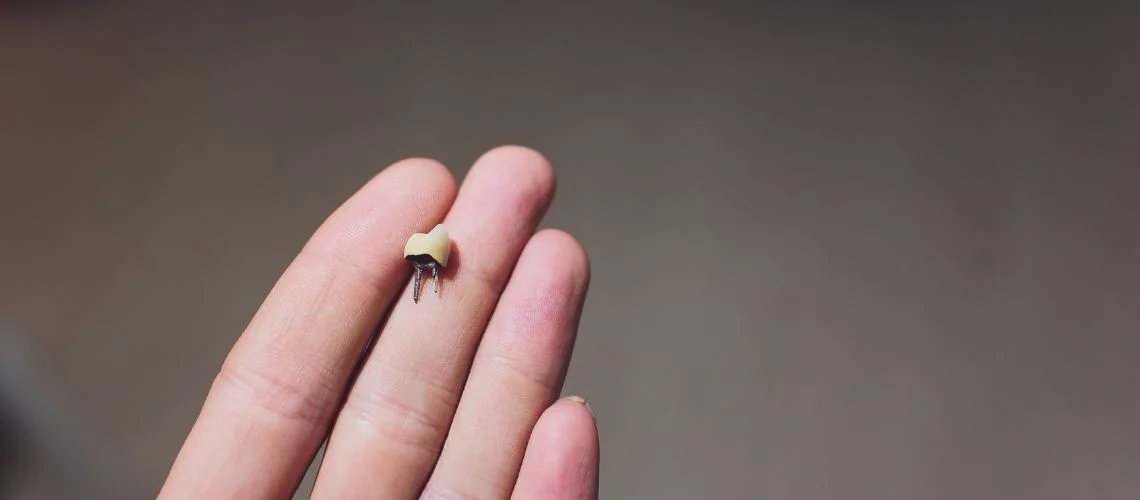
Deciphering the causes of a lost filling requires evaluating both biological and mechanical failure factors:
- Recurrent Secondary Caries: Bacteria infiltrating the microscopic interface between the filling and the natural tooth wall can form a new cavity beneath the restoration, destroying the structural support holding the filling in place.
- Excessive Masticatory Forces & Hard Foods: Biting down on hard candies, ice, nuts, or using teeth as tools can generate heavy point-loading forces that fracture composite or ceramic restorations.
- Bruxism and Teeth Grinding: Uncontrolled nocturnal clenching or grinding exerts heavy lateral shear stresses, breaking the adhesive bond between the restoration and the tooth.
- Adhesive Bonding Failure: Inadequate moisture isolation (saliva contamination) during the initial bonding procedure can compromise long-term composite adhesion.
- Material Fatigue: All dental materials undergo mechanical fatigue over years of functional chewing, eventually reaching the end of their operational lifespan.
Does a Lost Filling Cause Pain?
Patients frequently wonder: does a lost filling cause pain?
The medical answer depends directly on the vitality status of the tooth and the depth of the prepped cavity:
- Vital (Living) Teeth: Losing a filling exposes fluid-filled dentin tubules leading straight to the central nerve chamber (pulp). Thermal stimuli, cold air, or physical pressure on exposed dentin will trigger sharp, severe pain.
- Endodontically Treated Teeth: Because the nerve tissue has been removed, a lost root canal filling typically causes no sharp thermal pain. However, food impaction inside the hollow chamber can press against surrounding gingival tissue or trigger inflammation around the root apex, causing a dull, localized throb.
Lost Temporary Filling After Root Canal
During multi-appointment endodontic therapy or prior to final crown placement, temporary filling materials are placed to seal the access cavity. A lost temporary filling after root canal treatment poses specific clinical risks:
Temporary materials are softer and intentionally less durable than permanent restorations. When a lost temporary filling leaves the pulp chamber open, saliva and oral bacteria immediately invade the disinfected root canals. This bacterial re-contamination can cause root canal failure, requiring the entire endodontic process to be repeated. If a temporary filling falls out, visit your endodontist within 24 to 48 hours to re-sterilize and reseal the canals.
Emergency Steps to Take at Home
If you lose a dental filling, follow these emergency steps while waiting for your dental appointment:
- Maintain Intraoral Cleanliness: Gently rinse your mouth with lukewarm salt water after meals to clear food debris from the open cavity.
- Avoid Masticatory Stress: Do not chew food on the side of the mouth where the lost filling is located.
- Protect Soft Tissues from Sharp Edges: If a sharp tooth margin is scraping your tongue, place a small piece of temporary dental wax or sugarless gum over the sharp edge temporarily.
- Analgesic Support: Take over-the-counter anti-inflammatory painkillers as directed to manage acute thermal sensitivity or soreness.
- Over-the-Counter Temporary Filling Kits: In remote situations where emergency dental care is unavailable for days, over-the-counter temporary dental cements can be used to plug the gap temporarily. This is purely a short-term measure until professional care is rendered.
Comparative Matrix: Defect Scale vs. Restorative Treatment Options
Review the appropriate restorative solutions based on the scale of tooth loss below:
|
Restorative Defect Scale |
Primary Failure Cause |
Recommended Clinical Treatment |
|
Minor Composite Loss |
Micro-leakage or minor edge fracture |
New Composite Resin / Dental Bonding |
|
Extensive Structural Loss |
Fracture of weakened cusp walls |
Laboratory Inlay / Onlay Restoration |
|
Lost Root Canal Restorations |
Structural brittleness from endodontic access |
Fiber Post & Core + Zirconia Crown |
|
Lost Temporary Filling |
Soft material wear or dislodgement |
Canal Re-Sterilization + New Filling |
Frequently Asked Questions
Is it dangerous if a lost filling is accidentally swallowed?
No. Accidentally swallowing a small composite, ceramic, or amalgam filling is generally harmless. The material will pass through the digestive tract naturally without toxic absorption. However, if the filling fragment is aspirated into the airway (causing severe coughing or shortness of breath), seek immediate emergency medical care.
How quickly should I see a dentist after losing a filling?
You should see a dentist within 24 to 48 hours. Delaying care exposes the prepped dentin to rapid secondary decay and bacterial invasion, which can convert a simple filling repair into a complex root canal or crown procedure.
Can I use household superglue to reattach a lost filling at home?
ABSOLUTELY NOT! Household glues contain highly toxic, carcinogenic chemicals that will cause chemical burns to the dental pulp, resulting in irreversible nerve necrosis, severe pain, and deep jaw infections.
Can a lost black amalgam filling be replaced with a tooth-colored composite?
Yes. Replacing dislodged metallic amalgam fillings with tooth-colored, biocompatible composite resins or laboratory-milled ceramic inlays/onlays is a standard, highly aesthetic procedure.
About the Author