


What Is Burning Mouth Syndrome? Symptoms, Causes and Treatment
Don't put off your smile. Message us now to discuss your treatment options with our expert dentists.
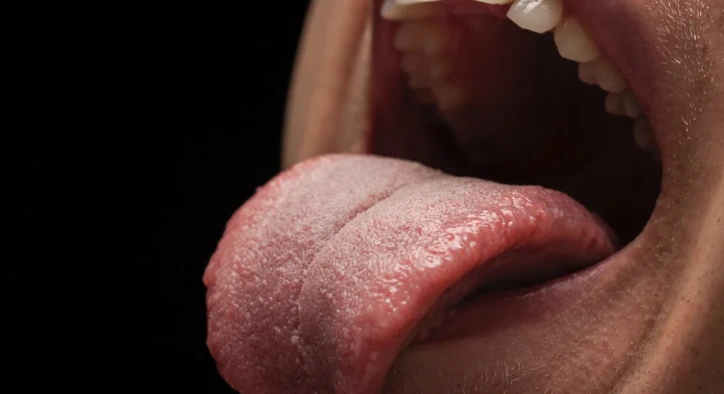
WhatsAppThe human oral mucosa is a highly sensitive biological lining continuously exposed to thermal changes, mechanical masticatory forces, and complex microbial environments. Under normal physiological conditions, intraoral pathologies such as aphthous ulcers or stomatitis present with visible clinical signs (erythema, swelling, white mucosal sloughing) that resolve with targeted care. However, clinicians occasionally encounter patients presenting with a severe, chronic, scalding sensation across the tongue and oral cavity despite showing zero visible inflammation, ulceration, or tissue damage upon comprehensive oral examination and laboratory testing.
In oral medicine and neurology literature, this complex chronic neuropathic pain condition is termed burning mouth syndrome (BMS / Glossodynia). Severely compromising quality of life, sleep architecture, and nutritional habits, BMS is a challenging clinical entity that is frequently misdiagnosed or overlooked. This comprehensive YMYL master guide explores what is burning mouth syndrome, analyzes what causes burning mouth syndrome, outlines key burning mouth syndrome symptoms, addresses patient experiences when living with burning mouth syndrome, examines does burning mouth syndrome go away on its own, and details modern protocols for burning mouth syndrome treatment.
Table of Content
- What is Burning Mouth Syndrome?
- What Causes Burning Mouth Syndrome?
- Burning Mouth Syndrome Symptoms: Recognizing Clinical Traits
- Does Burning Mouth Syndrome Go Away on Its Own?
- Living with Burning Mouth Syndrome: Patient Experiences
- Management Protocols: Burning Mouth Syndrome Treatment
- Comparative Matrix: Primary vs. Secondary Burning Mouth Syndrome
- At-Home Guidelines to Manage Oral Burning
- Frequently Asked Questions
What is Burning Mouth Syndrome?
In oral pathology and neurology, the precise scientific answer to what is burning mouth syndrome is this: It is an intraoral chronic neuropathic pain disorder characterized by a persistent burning, scalding, or tingling sensation across the tongue, lips, hard palate, or entire oral cavity lasting for at least 3 to 6 months, occurring in the absolute absence of visible mucosal lesions or systemic organic abnormalities.
In primary BMS, the core pathology resides not within the mucosal tissue itself, but within functional sensory nerve processing. Peripheral small-fiber neuropathy affecting the trigeminal and facial nerve endings misfires, causing the brain to perceive an intense thermal "burning" sensation even when no physical heat or acid stimulus is present.
What Causes Burning Mouth Syndrome?
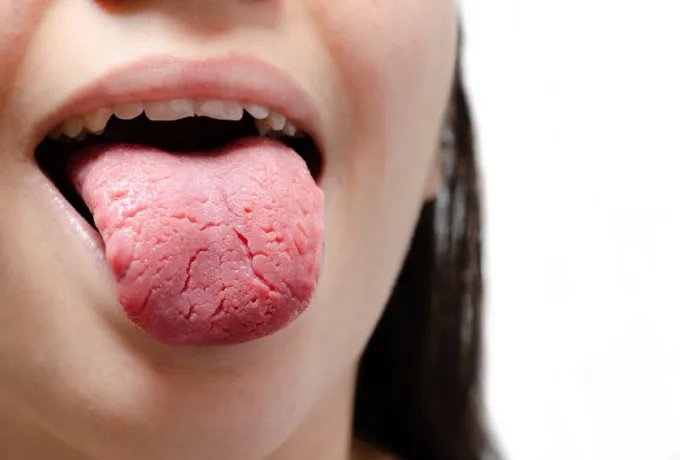
When clinicians evaluate what causes burning mouth syndrome, diagnostic pathways differentiate between two primary clinical classifications:
1. Primary Burning Mouth Syndrome
Unidentified by organic, systemic, or laboratory abnormalities, primary BMS stems directly from peripheral or central neuropathic degeneration affecting intraoral sensory nerve pathways.
2. Secondary Burning Mouth Syndrome
Triggered by an underlying, identifiable systemic or local medical condition:
- Hormonal Shifts and Menopause: A sudden decline in systemic estrogen levels during perimenopause and postmenopause thins the oral mucosa and lowers sensory nerve excitation thresholds.
- Nutritional Deficiencies: Deficits in Vitamin B12, folate (B9), iron, or zinc impair nerve sheath (myelin) integrity, triggering lingual burning.
- Xerostomia (Dry Mouth): Reduced salivary output stemming from Sjogren’s syndrome, antihypertensive medications, antidepressants, or dehydration.
- Oral Candidiasis: Subtle, erythematous fungal infections that do not form classic white plaques but cause chronic mucosal irritation.
- Diabetes and Thyroid Dysfunction: Uncontrolled blood glucose levels (diabetic neuropathy) and thyroid hormone imbalances.
- Dental Appliance Reactions: Allergies to residual acrylic monomers in complete dentures or contact stomatitis triggered by sodium lauryl sulfate (SLS) in toothpastes.
- Psychogenic Interplay: High baseline anxiety, chronic stress, and clinical depression lower central pain modulation capacity, amplifying burning sensations.
Burning Mouth Syndrome Symptoms: Recognizing Clinical Traits
A key trait of BMS is its temporal pattern: discomfort begins mildly upon waking, intensifies progressively throughout the day, and peaks in the evening hours. Common burning mouth syndrome symptoms include:
- Persistent Scalding Sensation: A continuous burning feeling, resembling the sensation of being scalded by hot liquid, primarily affecting the tip and lateral borders of the tongue, hard palate, and inner lips.
- Dysgeusia (Metallic or Bitter Taste): A persistent rusty, metallic, or intensely bitter taste perception in the mouth despite eating no food.
- Subjective Xerostomia and Paresthesia: A persistent feeling of dry mouth, stickiness, or prickling sensations even when objective salivary flow rates test normal.
- Temporary Relief During Mastication: Paradoxically, a vast majority of patients report that the burning sensation temporarily diminishes or disappears while actively eating or drinking.
- Absence of Clinical Lesions: Upon visual inspection, the oral mucosa appears completely normal, smooth, and pink.
Does Burning Mouth Syndrome Go Away on Its Own?
Patients and families frequently ask: does burning mouth syndrome go away on its own?
Clinical tracking data yields the following outcomes:
- For primary BMS (neuropathic origin), spontaneous complete resolution is extremely rare (roughly 3% to 5%). Without targeted clinical intervention, primary BMS can persist for months or years with fluctuating severity.
- Conversely, for secondary BMS caused by identifiable underlying factors (such as B12 deficiency, GERD, or fungal infection), the burning sensation resolves completely once the primary medical condition is successfully treated. Comprehensive blood panels and diagnostic screenings are therefore vital.
Living with Burning Mouth Syndrome: Patient Experiences
Patients living with burning mouth syndrome often face significant emotional isolation when family members or clinicians dismiss their symptoms because "the mouth looks completely healthy."
Clinical observations among individuals living with burning mouth syndrome highlight shared challenges:
- Patients frequently develop cancerophobia (persistent fear of oral cancer), leading them to repeatedly inspect their tongue in mirrors.
- Evening pain peaks can make dinner unpleasant and trigger secondary sleep onset insomnia.
- Reaching an Oral Medicine specialist who confirms that the pain stems from a valid nerve pathway significantly lowers patient anxiety and improves treatment compliance.
Management Protocols: Burning Mouth Syndrome Treatment
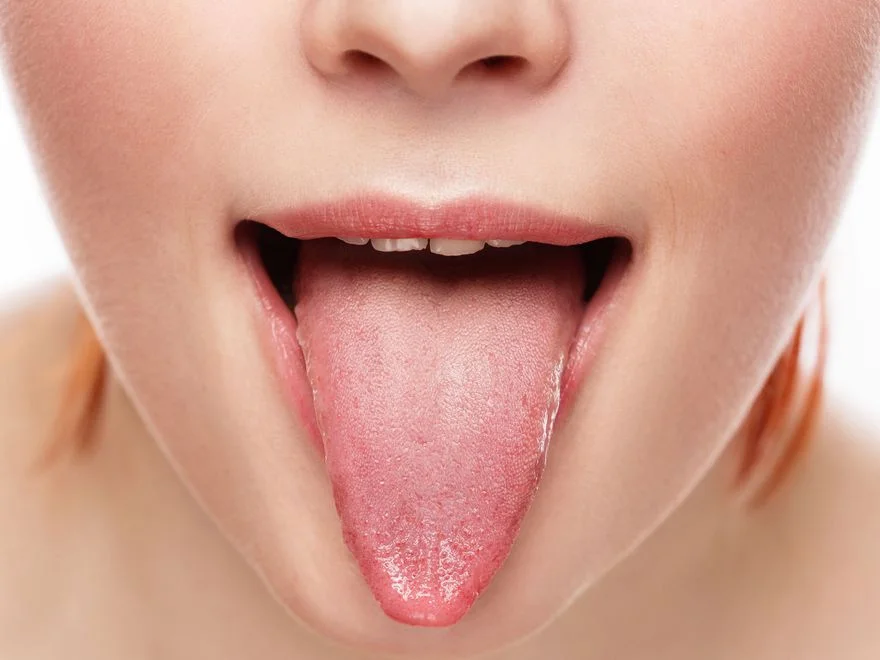
Understanding how to relieve burning mouth syndrome and executing burning mouth syndrome treatment requires a systematic, multidisciplinary workflow:
1. Resolving Secondary Factors
Deficiencies in Vitamin B12, iron, or folate are corrected with systemic supplementation. Antifungal rinses resolve candidiasis, and hormone replacement therapy is evaluated for menopausal symptoms. Toothpastes are switched to SLS-free formulations.
2. Neuropathic and Systemic Therapies (For Primary BMS)
To stabilize misfiring sensory nerve endings, specialized protocols are prescribed, including Alpha-Lipoic Acid (ALA) antioxidant supplementation, topical low-dose clonazepam rinses, or systemic neuronal stabilizers under strict clinical supervision.
3. Cognitive and Behavioral Support
Cognitive Behavioral Therapy (CBT) helps manage central pain processing and reduce secondary anxiety.
Comparative Matrix: Primary vs. Secondary Burning Mouth Syndrome
Differentiate between both clinical types using this comparative guide:
|
Clinical Feature |
Primary Burning Mouth Syndrome |
Secondary Burning Mouth Syndrome |
|
Identifiable Organic Cause |
Absent (Blood panels & mucosa appear normal) |
Present (B12 deficiency, Menopause, Diabetes, etc.) |
|
Pathological Mechanism |
Central or peripheral small-fiber neuropathy |
Systemic condition impacting nerve thresholds |
|
Visible Mucosal Lesions |
Completely Absent |
May present with mild dryness or subtle erythema |
|
Response to Targeted Care |
Gradual (Requires months of neuropathic care) |
Rapid (Resolves once the cause is eliminated) |
|
Spontaneous Resolution |
Very rare (3% to 5%) |
Resolves completely when underlying cause is fixed |
At-Home Guidelines to Manage Oral Burning
In addition to medical therapies, implement these practical daily habits to manage discomfort:
- Suck on Ice Chips: Slowly dissolving small ice chips in the mouth temporarily numbs sensory nerve endings, providing immediate relief.
- Avoid Acidic, Spicy, and Hot Triggers: Avoid chili peppers, tomatoes, citrus fruits, alcoholic mouthwashes, and piping-hot beverages, as these aggravate mucosal nerve endings.
- Switch to SLS-Free Toothpaste: Sodium Lauryl Sulfate (SLS) in foaming toothpastes irritates sensitive mucosa. Choose non-foaming, SLS-free, or herbal toothpastes.
- Maintain Hydration: Sip water frequently throughout the day and chew xylitol-containing sugar-free gum to stimulate natural salivary flow.
Frequently Asked Questions
Does burning mouth syndrome turn into oral cancer?
No, absolutely not. Burning mouth syndrome is not a precancerous condition and carries zero risk of malignant transformation. The underlying mechanism involves sensory nerve signal dysfunction, not cellular dysplasia or structural tissue degeneration. Fears of oral cancer related to BMS are clinically groundless.
Which specialist should I consult for burning mouth syndrome?
Patients experiencing persistent oral burning should primarily consult a specialist in Oral Medicine, Oral Diagnosis, or Periodontology. If necessary, your specialist will coordinate care with Neurology, Endocrinology, or Psychiatry.
Can ill-fitting dental dentures cause burning mouth syndrome?
Yes. Mechanical friction from ill-fitting complete dentures or tissue allergies to residual acrylic monomers can trigger secondary burning mouth syndrome. Re-basing or replacing the denture resolves the symptoms.
Do medications prescribed for burning mouth syndrome cause addiction?
No. Antioxidant supplements like Alpha-Lipoic Acid are non-addictive. Neuropathic modulating medications prescribed for primary BMS are carefully managed in low, therapeutic doses under medical supervision, ensuring safety without addiction risks.
About the Author