


What Is Fluoride Treatment? Procedure, Cavity Prevention and Costs
Don't put off your smile. Message us now to discuss your treatment options with our expert dentists.
WhatsAppIntraoral cariogenic bacteria ferment dietary carbohydrates and sugars to synthesize lactic acid. This environmental acid demineralizes the hydroxyapatite crystal lattice of dental enamel, leaching calcium and phosphate ions into the saliva. When the natural buffering capacity of saliva is overwhelmed, progressive mineral loss generates sub-surface demineralization initially presenting as chalky "white-spot" carious lesions and eventually collapsing into irreversible macroscopic cavitations.
In evidence-based preventive dentistry, the primary biochemical intervention for fortifying enamel against acid challenges is professional fluoride treatment. Highly concentrated topical fluoride formulations (varnishes, foams, and gels) chemically integrate into the enamel surface, converting reactive hydroxyapatite into acid-resistant fluorapatite. This mechanism not only prevents new decay but also enables non-invasive remineralization of existing early lesions through targeted fluoride treatment for tooth decay.
Table of Content
- What Is Fluoride Treatment?
- How Is Fluoride Treatment Done? Clinical Protocol
- Fluoride Treatment for Cavities: Reversal vs. Restoration
- Clinical Indications: Who Needs Professional Fluoride?
- Post-Fluoride Treatment Aftercare Instructions
- What Determines Fluoride Treatment Cost?
- Comparative Matrix: Fluoride Varnish vs. Fluoride Gel/Foam
- Frequently Asked Questions
What Is Fluoride Treatment?
In pediatric and preventive dental science, the definition of what is fluoride treatment is: The professional chairside application of concentrated topical fluoride agents (varnish, gel, or foam) designed to remineralize demineralized enamel, inhibit bacterial enolase enzymes, and enhance the crystalline structure of the tooth against cariogenic acid dissolution.
How does a dental fluoride treatment protect the tooth matrix?
- Fluorapatite Conversion: Enamel hydroxyapatite (Ca10 (PO4)6(OH)2) undergoes ion exchange with topical fluoride to produce calcium fluorapatite (Ca10 (PO4)6F2). Fluorapatite resists acid dissolution down to a critical pH of 4.5, compared to natural hydroxyapatite which begins dissolving at pH 5.5.
- Enamel Remineralization: Accelerates the reprecipitation of calcium and phosphate ions from saliva back into acid-softened enamel micro-pores.
- Bacterial Enzyme Inhibition: Bioavailable fluoride ions diffuse into Streptococcus mutans intracellular pathways, blocking the enolase enzyme and impairing carbohydrate fermentation.
How Is Fluoride Treatment Done? Clinical Protocol
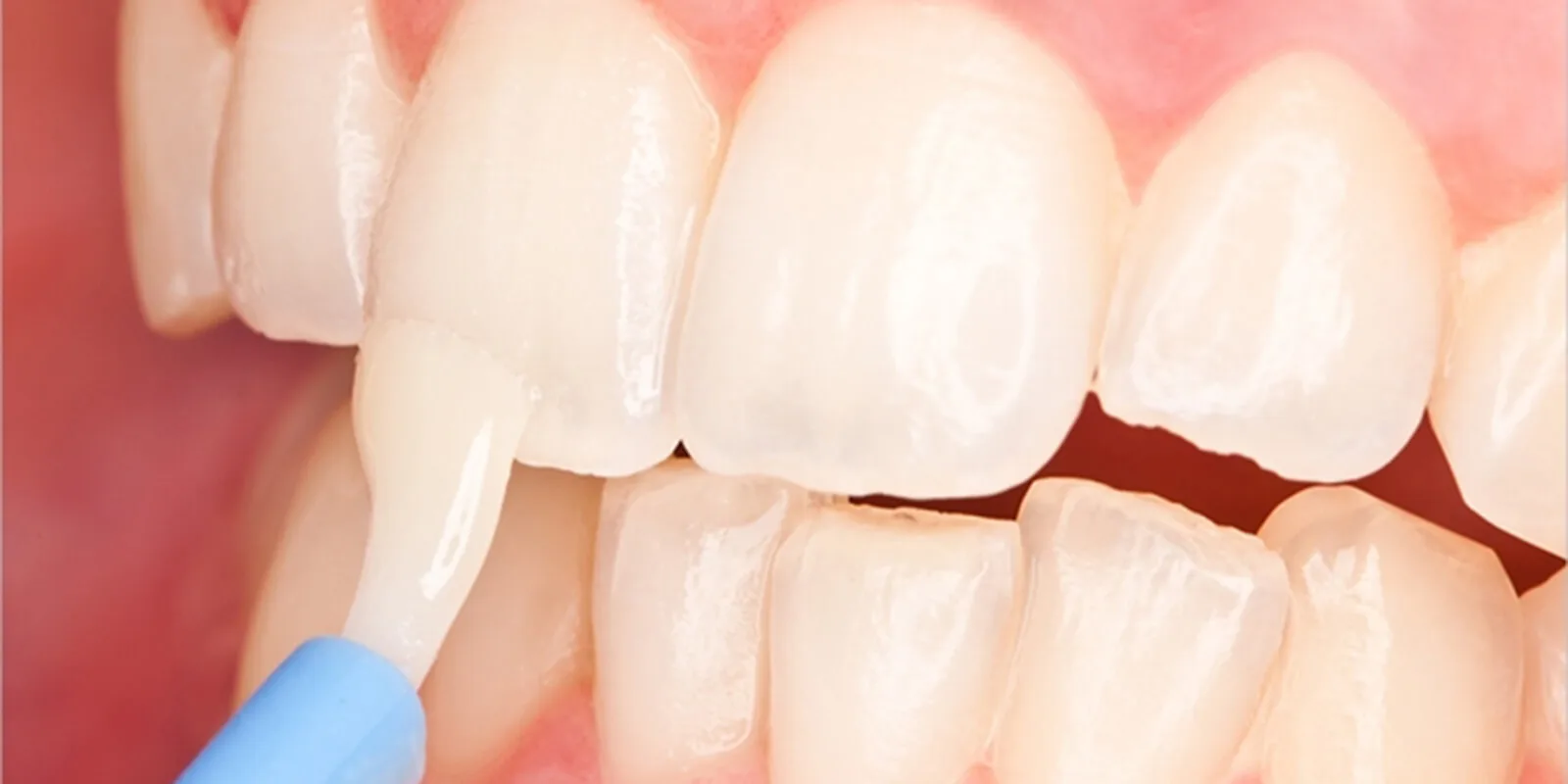
Understanding how is fluoride treatment done involves an entirely non-invasive, painless procedure completed in four clinical steps without anesthesia:
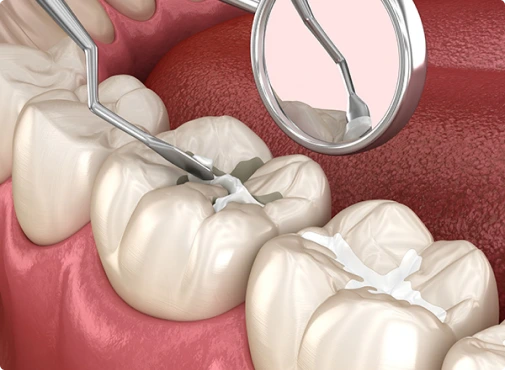
- Dental Prophylaxis: Tooth surfaces are gently cleaned using a prophy brush and low-abrasive paste to remove plaque biofilm and organic pellicles.
- Drying & Isolation: Cotton rolls isolate the arches from saliva, and teeth are lightly air-dried.
- Topical Application:
- Fluoride Varnish (Preferred Standard): A micro-applicator brush paints a thin film of 5% sodium fluoride (22,600 ppm F) across all enamel surfaces. The varnish precipitates instantly upon contact with intraoral moisture.
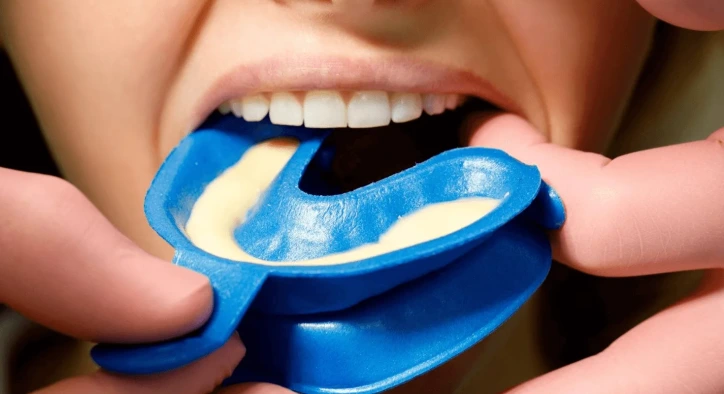
- Tray / Gel Protocol: Dual-arch anatomical trays loaded with 1.23% APF (acidulated phosphate fluoride) gel are seated over the dentition for 1 to 4 minutes.
- Aspiration & Post-Op Briefing: Excess material is suctioned. With varnish, the patient can close their mouth immediately without rinsing.
Fluoride Treatment for Cavities: Reversal vs. Restoration
The clinical boundaries of fluoride treatment for cavities and fluoride treatment for tooth decay depend strictly on the structural integrity of the lesion:
- Incipient White-Spot Lesions (100% Non-Invasive Reversal): Non-cavitated demineralized lesions confined to the enamel layer can be fully remineralized and arrested using topical fluoride varnish without drilling or fillings.
- Frank Cavitations (Lesions with Cavitation): Once bacterial acids collapse the physical surface creating an open cavity, topical fluoride cannot restore lost tooth structure. However, it can arrest active lesion progression into deeper pulp tissues until mechanical composite restoration is performed.
- Silver Diamine Fluoride (SDF): For pre-cooperative pediatric patients or root caries in elderly populations, 38% SDF is applied to arrest cavitated decay instantly without drilling.
Clinical Indications: Who Needs Professional Fluoride?
- Pediatric & Adolescent Patients (6 Months to 16 Years): Applied biannually from the eruption of the first primary tooth through the complete maturation of permanent dentition.
- Patients with Orthodontic Braces: Essential for preventing decalcification and white-spot halos around bonded orthodontic brackets.
- Individuals with Exposed Root Surfaces: Protects vulnerable root cementum exposed by gingival recession against rapid root caries.
- Xerostomia (Dry Mouth) Sufferers: Compensates for diminished salivary buffering in patients taking medications or undergoing radiation therapy.
- Adults with High Dentin Hypersensitivity: Occludes patent dentinal tubules, eliminating sharp thermal sensations.
Post-Fluoride Treatment Aftercare Instructions
To maximize ion uptake and prolonged clinical contact, adhere to these post-treatment guidelines:
- Initial 30-Minute Fast: Avoid all food, liquids, and mouth rinsing for at least 30 minutes post-application.
- Avoid Hard & Hot Foods: Avoid crunchy nuts, chips, sticky candies, and piping-hot liquids for the first 4 to 6 hours to prevent premature varnish peeling.
- Defer Brushing & Flossing: Do not brush or floss until the following morning; allowing the varnish to remain overnight maximizes deep ion diffusion.
- Suspend Additional Fluoride: Avoid supplemental fluoride tablets or prescription rinses on the day of professional application.
What Determines Fluoride Treatment Cost?
Variables governing fluoride treatment cost include:
- Formulation Chemistry & Brand: Premium single-dose unit-dose varnishes (e.g., 5% NaF with tricalcium phosphate) versus multi-use bulk gels.
- Dentition Scope (Primary vs. Permanent / Full-Mouth): Applying varnish to full primary vs. mixed or full permanent dentitions.
- Application Frequency: Standard low-risk schedules (twice annually) versus high-risk protocols (3 to 4 applications per year).
- Adjunctive Preventative Procedures: Combining fluoride varnishing with dental cleanings or resin pit-and-fissure sealants.
Comparative Matrix: Fluoride Varnish vs. Fluoride Gel/Foam
|
Clinical Parameters |
Fluoride Varnish (5% NaF) |
Fluoride Gel / Foam (1.23% APF) |
|
Application Delivery |
Direct micro-brush painting |
Dual-arch loaded trays |
|
Setting Mechanism |
Instant precipitation with saliva |
Requires 1-4 minutes tray seating |
|
Ingestion / Toxicity Risk |
Near-Zero (Safest for toddlers) |
Moderate (Risk of tray overflow/swallowing) |
|
Enamel Contact Duration |
High substantivity (Up to 24 hours) |
Rinses away quickly after application |
|
Pediatric Age Suitability |
Infants (6 months) to adulthood |
Generally children ≥ 6 years |
|
Desensitizing Efficacy |
Instant and maximal tubule occlusion |
Moderate |
Frequently Asked Questions
Is professional dental fluoride treatment safe or toxic?
Yes, it is entirely safe. In-office topical fluoride varnishes contain microgram-level controlled dosages that adhere securely to enamel surfaces within seconds of contact with saliva. Because the material is not swallowed systemically, there is zero risk of dental fluorosis or toxicity. Professional topical varnish applications are endorsed by the World Health Organization (WHO), the American Dental Association (ADA), and the American Academy of Pediatrics (AAP).
Does fluoride treatment whiten teeth?
No. Fluoride therapy is not a cosmetic bleaching procedure; it is a biochemical mineral fortification treatment. Some natural resin varnishes impart a temporary yellowish hue to teeth on the day of treatment, which brushes off completely the next morning, revealing natural enamel.
How often should fluoride treatment be repeated?
For low-to-moderate caries risk patients, professional applications are recommended every 6 months during routine dental cleanings. For high caries-risk individuals, patients with active orthodontic appliances, or severe xerostomia, treatments may be scheduled every 3 months.
Does fluoridated toothpaste eliminate the need for in-office treatments?
No. Over-the-counter fluoridated toothpastes contain approximately 1,000 to 1,450 ppm fluoride for daily maintenance, whereas professional in-office dental varnishes deliver a concentrated dose of 22,600 ppm. Daily brushing maintains superficial hygiene, while professional applications drive deep fluorapatite conversion and remineralize sub-surface enamel defects.
About the Author

Similar Posts
Content similar to this post could not be found.