


What Is Geographic Tongue? Symptoms, Causes, and Treatment
Don't put off your smile. Message us now to discuss your treatment options with our expert dentists.
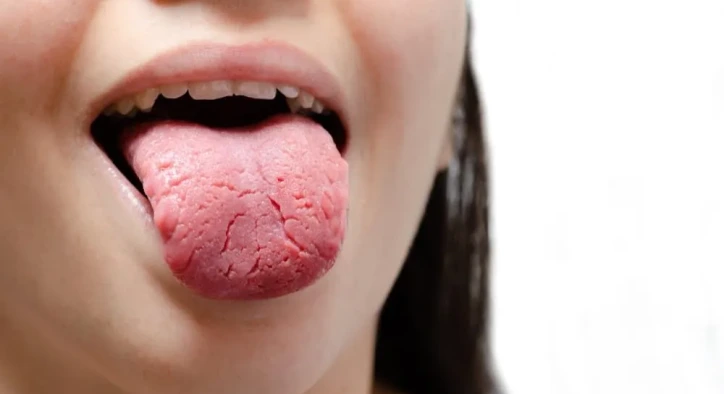
WhatsAppThe dorsal surface of the human tongue is covered by tiny, hair-like projections known as filiform papillae, which impart a velvety, uniform pink appearance essential for tactile mastication and speech articulation. In certain individuals, localized patches of these filiform papillae shed (atrophy) intermittently, leaving smooth, erythematous (red) areas with distinct, elevated, whitish-yellow circulating margins. Because these depapillated red patches continually shift in size, shape, and anatomical location across days or weeks, the surface resembles islands on a world map. In clinical oral medicine, this inflammatory dermatological condition is termed benign migratory glossitis, erythema migrans, or universally recognized as geographic tongue.
Discovering sudden red bald patches and serpentine white borders across the tongue frequently causes severe anxiety for patients who mistake it for oral candidiasis or carcinoma. In reality, it is a completely non-contagious, harmless, benign mucosal condition. However, contact with acidic, spicy, or hot foods can trigger acute stinging and burning sensations.
Table of Content
- What Is Geographic Tongue?
- Geographic Tongue Symptoms: Recognizing the Clinical Presentation
- What Causes Geographic Tongue?
- How to Treat Geographic Tongue: Clinical Management & Disease Course
- Evidence-Based Geographic Tongue Treatment Protocols
- Comparative Matrix: Geographic Tongue vs. Other Lingual Lesions
- Frequently Asked Questions
What Is Geographic Tongue?
In oral medicine, the definitive answer to what is geographic tongue is: A chronic, recurrent, benign inflammatory disorder characterized by localized desquamation of filiform papillae on the dorsal and lateral tongue borders, accompanied by an elevated, hyperkeratotic, grayish-white serpentine border.
Its designation as "migratory" stems from its dynamic clinical presentation: a depapillated red island can heal and re-keratinize in one region within forty-eight hours, while an entirely new erythematous island develops on another margin of the tongue.
Geographic Tongue Symptoms
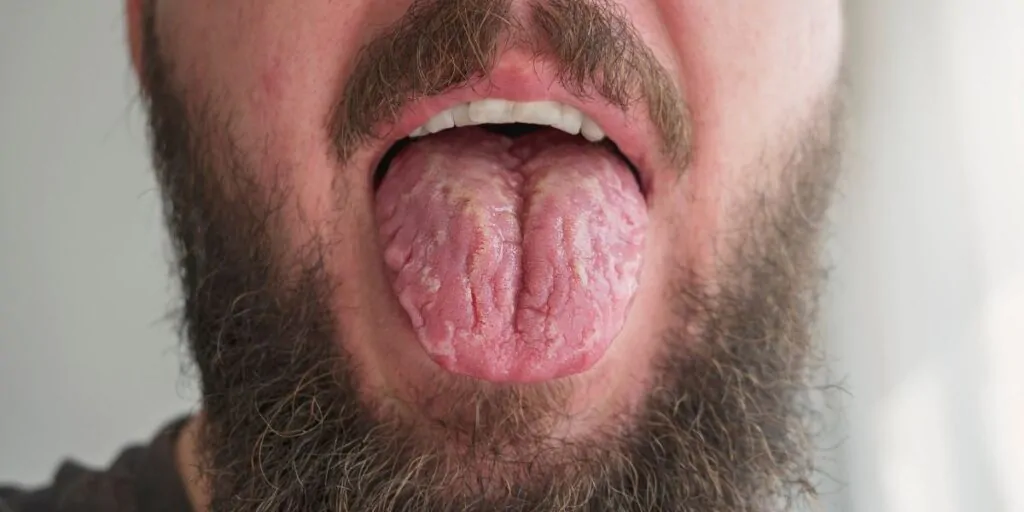
While many individuals remain asymptomatic with lesions discovered incidentally during dental checkups, hallmark geographic tongue symptoms include:
- Erythematous Depapillated Patches: Smooth, bald, reddish islands on the tongue where filiform papillae have temporarily shed.
- Serpentine White or Yellow Borders: Slightly elevated, scalloped, yellowish-white borders outlining the irregular red patches.
- Migratory Dynamics: Lesions continually change geometry, expand, merge, disappear completely, and recur days or weeks later in new locations.
- Burning and Stinging Dysesthesia: Sharp, transient discomfort triggered by tomatoes, citrus fruits, chili peppers, vinegar, walnuts, highly seasoned foods, and carbonated beverages.
- Thermal Sensitivity: Discomfort when ingesting hot liquids due to the reduced protective epithelial layer.
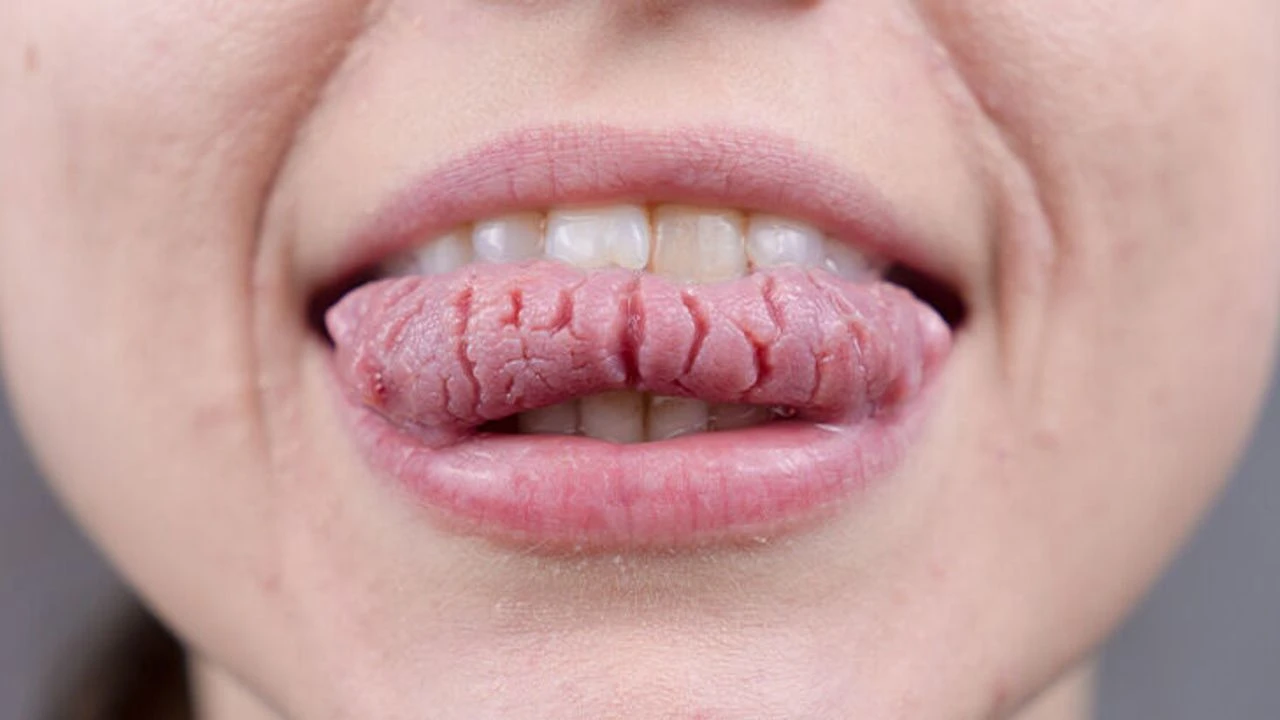
- Coexistence with Fissured Tongue: Up to forty percent of geographic tongue patients also exhibit deep longitudinal or transverse grooves across their dorsal tongue (scrotal/fissured tongue).
What Causes Geographic Tongue?
Understanding what causes geographic tongue and identifying common geographic tongue causes involves several correlated systemic and genetic variables:
- Genetic Heredity: A positive family history is common; specific human leukocyte antigen (HLA-Cw6, HLA-B15) markers are linked to susceptibility.
- Psoriasis Correlation: Dermatologists often view geographic tongue as an oral mucosal manifestation of cutaneous psoriasis. Individuals with psoriasis exhibit higher rates of benign migratory glossitis.
- Psychological Stress and Anxiety: Emotional strain, sleep deprivation, and stressful life transitions disrupt localized neurovascular control, prompting papilla shedding.
- Micronutrient Deficiencies: Sub-optimal levels of Vitamin B12, serum ferritin (iron), folate, and zinc impair mucosal epithelial re-keratinization.
- Endocrine Fluctuations: Hormonal shifts during ovulation, pregnancy, or oral contraceptive use can trigger active flare-ups in women.
- Atopy and Allergy: Individuals with atopic diatheses (asthma, eczema, allergic rhinitis) and specific food sensitivities show a higher incidence.
- Diabetes Mellitus: Chronic glycemic dysregulation alters microcirculation and natural oral flora, predisposing to epithelial desquamation.
How to Treat Geographic Tongue: Clinical Management & Disease Course
Patients frequently ask: how is geographic tongue disease treated?
The biological reality is that geographic tongue is a benign, self-limiting condition with cyclical episodes of active remission and exacerbation:
- Spontaneous Remission: Lesions often resolve completely on their own for months without intervention.
- Recurrence Cycles: Flare-ups are typically provoked by stress, physical fatigue, or dietary acids.
- Management focuses on symptom reduction, pain relief, and minimizing mucosal burning rather than pursuing an elusive permanent surgical cure.
Evidence-Based Geographic Tongue Treatment Protocols
When burning mouth discomfort interferes with mastication or nutrition, comprehensive geographic tongue treatment protocols include:
1. Topical Pain Relievers and Anti-Inflammatory Rinses
- Viscous Topical Anesthetics: Rinsing with two percent viscous lidocaine solutions or benzocaine gels ten minutes before meals numbs exposed nerve endings, allowing pain-free eating.
- Topical Corticosteroid Pastes: For severely symptomatic, inflamed lesions, triamcinolone acetonide in an adhesive dental base (applied in a thin film twice daily) rapidly dampens immune-mediated epithelial breakdown.
- Antihistamine Rinses: Diphenhydramine mouth rinses help soothe local burning sensations and allergic pruritus.
2. Micronutrient Supplementation
Administering therapeutic doses of Vitamin B-complex, folate, and zinc gluconate accelerates filiform papilla regeneration and strengthens mucosal barrier function.
3. Dietary and Home Care Protocols
- Eliminate known irritants during active phases: acidic citrus, vinegar dressings, raw tomatoes, spicy peppers, salty chips, and alcohol.
- Avoid hot-temperature beverages and alcohol-based mouthwashes that desiccate the oral mucosa.
- Use a gentle, SLS-free (sodium lauryl sulfate-free) toothpaste to prevent surfactant chemical burns over exposed papillae.
Comparative Matrix: Geographic Tongue vs. Other Lingual Lesions
|
Diagnostic Parameters |
Geographic Tongue (Erythema Migrans) |
Oral Thrush (Candidiasis) |
Oral Leukoplakia |
Squamous Cell Carcinoma |
|
Visual Appearance |
Red smooth patches with white borders |
Curd-like white plaques on red mucosa |
Homogeneous flat white plaques |
Indurated ulcer with rolled margins |
|
Migratory Pattern |
Constantly moves and changes weekly |
Stationary, spreads gradually |
Completely stationary |
Stationary, steadily enlarges |
|
Wipeability |
Cannot be wiped off (Depapillated) |
Can be scraped off (Leaves bleeding) |
Cannot be wiped off |
Cannot be wiped off |
|
Infectivity |
Completely non-contagious |
Opportunistic fungal infection |
Non-contagious |
Non-contagious |
|
Malignant Risk |
Zero (Completely benign) |
Zero malignant potential |
Premalignant lesion |
Malignant neoplasm |
Frequently Asked Questions
Can geographic tongue turn into oral cancer?
No. Geographic tongue is an entirely benign, non-neoplastic inflammatory condition. It does not carry premalignant potential, and longitudinal medical studies confirm it does not undergo malignant transformation into oral cancer.
Is geographic tongue contagious? Can it spread to family members?
No. Geographic tongue is completely non-contagious. Because it is not an infectious disease caused by bacteria, viruses, or fungi, it cannot be transmitted through kissing, sharing drinks, or using shared utensils.
Can children develop geographic tongue?
Yes. Benign migratory glossitis is frequently observed in children, particularly those with atopic tendencies such as asthma, eczema, or food sensitivities. It often flares during teething or viral illnesses and requires no treatment unless burning impedes nutrition.
Is it safe to scrub or brush a geographic tongue?
No. Patients often mistakenly believe the white borders are oral debris and attempt to scrub the tongue aggressively with a stiff toothbrush. This mechanical abrasion strips exposed nerve endings, worsens local inflammation, and severely intensifies burning pain. Clean the tongue only by gently rinsing with warm water.
About the Author