


What Is Gingivectomy? How Is It Performed and Prices in 2026?
Don't put off your smile. Message us now to discuss your treatment options with our expert dentists.
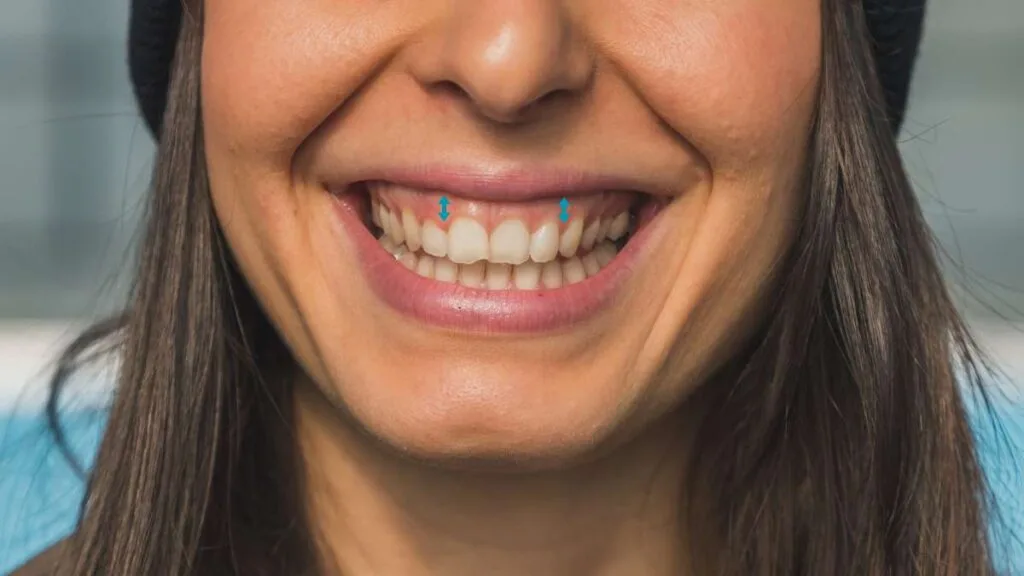
WhatsAppAchieving a flawless smile blueprint involves far more than simply fabricating white, straight teeth. The symmetry, thickness, and precise display level of the gum tissues (known in cosmetic dentistry as "pink aesthetics") form the essential frame that dictates the final character of a smile. An excessive display of gum tissue when smiling (commonly known as a gummy smile), uneven gumlines, or localized tissue overgrowth caused by chronic inflammation can trigger severe aesthetic and functional impairments. In cosmetic and clinical periodontics, the foundational micro-surgical solution used to correct these soft tissue structural alterations is a gingivectomy. Utilizing modern computer-guided technologies, this procedure has evolved into a highly comfortable option, restoring a balanced, natural framework to the smile.
Table of Content
- What is a Gingivectomy?
- What is the Difference Between a Gingivectomy and a Gingivoplasty?
- How is a Gingivectomy Done?
- Is a Gingivectomy Painful?
- Understanding the Gingivectomy Before and After Dynamics
- How Long is the Gingivectomy Healing Process?
- Essential Post-Operative Instructions After a Gingivectomy
- How Are Gingivectomy Costs Calculated?
- Frequently Asked Questions
What is a Gingivectomy?
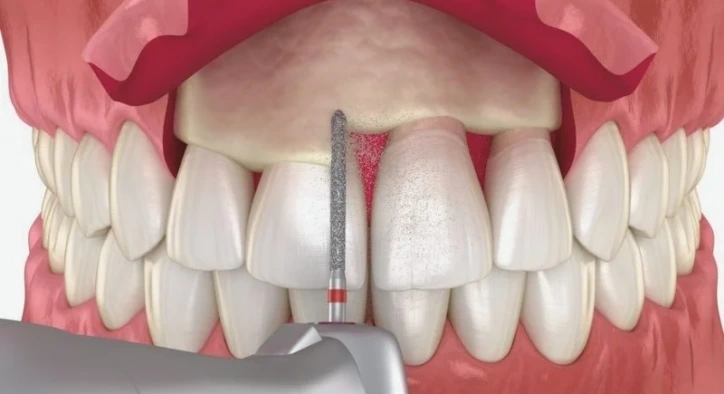
Defined strictly within periodontal plastic surgery, the definitive answer to what is gingivectomy is this: It is a micro-surgical procedure where diseased, excessive, or aesthetically asymmetrical segments of the gum tissue are precisely excised using specialized surgical micro-blades or advanced dental laser wavelengths. The primary clinical goals of this intervention are to clear deep periodontal pockets (bacterial tracking zones), lengthen the clinical tooth crown, and map out a perfectly uniform, scalloped gingival margin.
What is the Difference Between a Gingivectomy and a Gingivoplasty?
Because these two terms share identical surgical environments, patients frequently confuse them. However, the operational difference between gingivectomy and gingivoplasty follows precise biological boundaries:
- Gingivectomy: Focuses strictly on the total excision and removal of specific segments of gum tissue. The core objective is removing overgrown tissue pockets or uncovering healthy tooth structure to increase vertical tooth length.
- Gingivoplasty: Focuses on recontouring, thinning, and artistic sculpting of the remaining healthy gum tissue. It acts as a micro-shaping process to mimic the natural deflections, rolls, and delicate architectural anatomy of premium natural gums.
In cosmetic dental reconstructions, these two procedures are almost always executed simultaneously within the same appointment; the excess volume is cleanly removed (gingivectomy) and the remaining contours are artistically sculpted into place (gingivoplasty).
How is a Gingivectomy Done?
Driven by modern surgical layouts and tailored to your specific biotype thickness, the procedure is carried out through two primary techniques:
Traditional Micro-Blade Approach
The periodontist utilizes millimetric periodontal probes to measure pocket depth and mark exact incision coordinates. Specialized micro-blades excise the marked lines at a precise angle. Depending on tissue volume, a protective dressing (periodontal pack) may be applied over the margins post-operatively.
Laser Gingivectomy
The modern treatment standard relies heavily on laser gingivectomy systems. Because advanced dental lasers instantly cauterize capillary blood vessels while vaporizing target cells, the workflow is entirely bloodless. This technology eliminates the need for surgical sutures, causes zero tissue trauma, and cuts the biological recovery window in half.
The overall milestone sequence of how is gingivectomy done features these steps:
- Deep Local Anesthesia: The target quadrant is entirely numbed using fast-acting anesthetics.
- Mapping Aesthetic Margins: Using digital smile design configurations, the target architectural margin lines are clearly mapped onto the tissue.
- Precise Tissue Excision: The targeted excess volume is removed using either micro-blades or specialized laser wavelengths.
- Smoothing and Sculpting: The new borders are gently detailed to ensure a seamless finish. The entire process takes between 15 and 45 minutes, depending on the number of treated elements.
Is a Gingivectomy Painful?
Surgical terms often trigger immediate anxiety regarding structural pain. So, is gingivectomy painful?
It is critical to clarify that since the procedure is managed under advanced local anesthetic blocks, it is completely impossible to feel any sharp pain or distress during the surgery. Once the numbness naturally dissipates over the first 24 to 48 hours, patients typically experience a mild dull ache, light throbbing, or local tenderness.
This soreness is easily controlled using standard anti-inflammatory painkillers prescribed by your specialist. Furthermore, because laser protocols cleanly seal exposed nerve endings during treatment, post-operative comfort is exceptionally high.
Understanding the Gingivectomy Before and After Dynamics
The true clinical transformation is highly visible when evaluating gingivectomy before and after documentation:
- Before: Teeth look visually short or stubby, gumlines show severe asymmetry, a heavy "gummy smile" dominates the facial layout, or chronic inflammation leaves tissues puffy, dark, and uneven.
- After: The structural crown length is beautifully balanced, golden ratio smile metrics are achieved, and healthy, symmetrical, sharp borders are established. When the patient smiles, teeth and soft tissues blend in perfect harmony.
How Long is the Gingivectomy Healing Process?
The oral mucosa possesses one of the fastest cellular regeneration rates in the entire human body. The milestones of the gingivectomy healing process progress across these phases:
- Days 1 to 3: Light redness, mild tenderness, and localized tissue edema are expected. The epithelial layer begins cellular migration across the margins.
- Week 1: The surface tissue stabilizes completely, internal soreness disappears, and the gums transition back to their standard color.
- Week 2: Complete cellular maturation is finalized. The tissues adapt their final structural form, presenting a beautiful, uniform coral-pink aesthetic.
Essential Post-Operative Instructions After a Gingivectomy
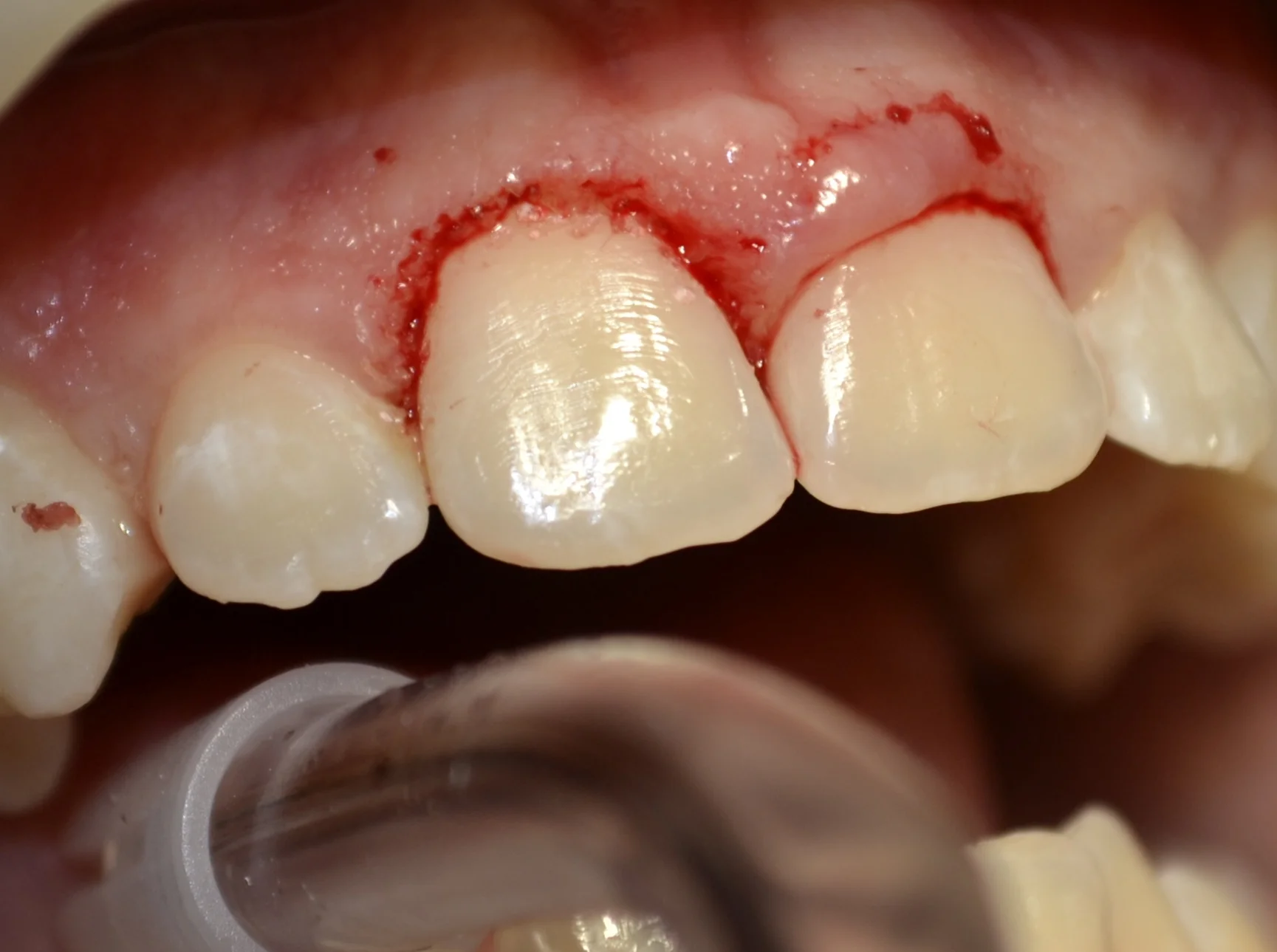
To guarantee uncomplicated healing and prevent external bacterial infections, patients must follow these gingivectomy post-operative instructions carefully:
- Initial Day Care: Do not brush or floss directly against the surgically altered gum segments on the first day. Adjacent un-treated areas must be kept clean normally. Starting on the second day, implement a specialized ultra-soft post-surgical toothbrush to gently clean the area using light, smooth strokes.
- Dietary Restrictions: For the first 3 to 5 days, completely avoid hard, crunchy, heavily spiced, acidic, or granular foods (such as chips, nuts, or seeds) that can physically slice or chemically burn the raw tissue. Focus on soft, lukewarm choices like purees, clear broths, and yogurt.
- Prescription Maintenance: Diligently implement prescribed anti-inflammatories and specialized antiseptic oral rinses. When using mouthwashes, move the liquid gently around your mouth instead of shaking or swishing aggressively.
- Strict Smoking Ban: Tobacco smoke severely starves the healing tissues of oxygen, causing delayed healing and increasing the risk of infection. Smoking must be strictly paused for at least 7 days post-surgery.
How Are Gingivectomy Costs Calculated?
Stating a fixed flat fee for gum contouring without an in-person assessment can be misleading. Individual gingivectomy cost layouts track the framework of official dental associations alongside these metrics:
- The Number of Elements Grouped: Pricing is calculated based on whether the surgery targets a single isolated tooth or spans the entire front smile zone (typically 6 to 10 teeth). Estimates are generally categorized per single unit or per jaw quadrant.
- The Applied Technology: Traditional cold-blade surgeries carry different procedural profiles compared to advanced bloodless laser technologies utilizing high-end dental laser systems.
- Comprehensive Treatment Mapping: If the gum lift is combined with zirkonyum crowns, porcelain laminate veneers, or advanced bone recontouring, the overall investment is mapped within the comprehensive smile makeover plan.
Frequently Asked Questions
Can the excised gum tissue grow back or relapse over time?
If the initial overgrowth was driven by chronic periodontal disease, and the patient neglects their daily oral hygiene the tissue can swell and relapse. Overgrowth can also reoccur as a biological side effect of certain chronic systemic medications (such as specific blood pressure or anti-seizure therapies). However, when performed correctly for purely cosmetic reasons (like adjusting a gummy smile), the altered borders are highly stable and do not grow back.
Are surgical sutures required after a gingivectomy procedure?
Under traditional micro-blade protocols, micro-sutures or specialized protective packs are occasionally applied depending on tissue behavior. When utilizing advanced laser gingivectomy protocols, the laser seals the tissue cleanly as it cuts, meaning surgical sutures are completely unnecessary.
What should I observe if a periodontal pack is applied over my gums?
If your specialist places a pink, putty-like periodontal dressing over the margins to shield the area, you must not scratch, poke, or pick at it with your tongue or fingers. Avoid hard foods that can break it loose. The dressing is safely removed by your dentist during a quick follow-up visit roughly one week later.
Can a cosmetic gingivectomy be safely performed if I currently have the flu?
If you are managing a heavy cold, acute flu symptoms, or systemic fatigue, it is best to postpone the surgery for a few days. The procedure requires keeping your mouth open for an extended duration, which can be highly uncomfortable if your nasal passages are congested due to illness. Rescheduling ensures optimal patient safety and maximum clinical comfort.
About the Author