


What Is Gum Inflammation? Symptoms, Causes, and Treatment
Don't put off your smile. Message us now to discuss your treatment options with our expert dentists.
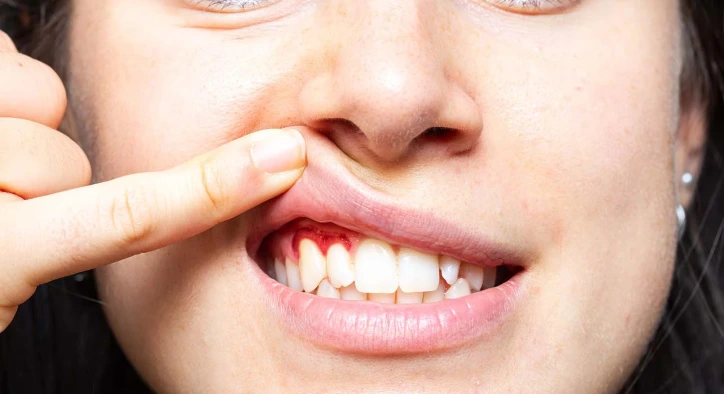
WhatsAppHealthy gingival tissue exhibits a pale coral-pink color, a firm stippled texture, adheres tightly around the cervical collars of teeth, and never bleeds during routine brushing. However, when inadequate oral hygiene allows microbial dental biofilm to accumulate along the gingival margin (sulcus), the balance between bacterial toxins and host immune response collapses. This localized cellular defense reaction is termed gingivitis or gum inflammation.
As one of the most widespread oral pathologies, early-stage gum inflammation develops silently and painlessly, frequently causing patients to ignore early warning signs. Yet, untreated persistent gum inflammation eventually extends apical to the junctional epithelium, invading alveolar bone and causing irreversible bone destruction and tooth loss (periodontitis).
Table of Content
- What Causes Gum Inflammation?
- Key Gum Inflammation Symptoms: Clinical Indicators
- Wisdom Tooth Gum Inflammation (Pericoronitis)
- Gum Inflammation After Implant Placement (Peri-Implant Mucositis)
- How to Treat Gum Inflammation: Home Care & Clinical Procedures
- Comparative Matrix: Gingivitis vs. Periodontitis
- Frequently Asked Questions
What Causes Gum Inflammation?
In periodontal pathology, the primary and secondary variables defining what causes gum inflammation include:
- Bacterial Biofilm and Dental Calculus Accumulation: Poor brushing and lack of interdental flossing allow anaerobic bacteria to colonize the gingival sulcus, releasing endotoxins that trigger vascular dilation and edema. Calcified tartar provides a rough scaffold that constantly irritates tissue.
- Hormonal Fluctuations: Elevated estrogen and progesterone during pregnancy (pregnancy gingivitis), puberty, or oral contraceptive use dilate gingival microvasculature, exaggerating the inflammatory response to minimal plaque.
- Tobacco & Smoking: Nicotine induces local vasoconstriction, masking early bleeding while simultaneously impairing local immune defenses and tissue oxygenation, accelerating deep tissue destruction.
- Systemic Diseases & Medications: Uncontrolled diabetes mellitus, leukemia, and immunosuppressive conditions, alongside calcium channel blockers and anti-epileptic drugs, provoke chronic gingival inflammation and enlargement.
- Defective Restorations & Overhanging Margins: Ill-fitting crowns, subgingival bridge margins, and rough composite restorations harbor plaque that cannot be cleansed mechanically.
- Nutritional Deficiencies: Deficiencies in Vitamin C and Vitamin B-complex weaken collagen matrix synthesis, lowering gingival barrier resistance.
Key Gum Inflammation Symptoms: Clinical Indicators
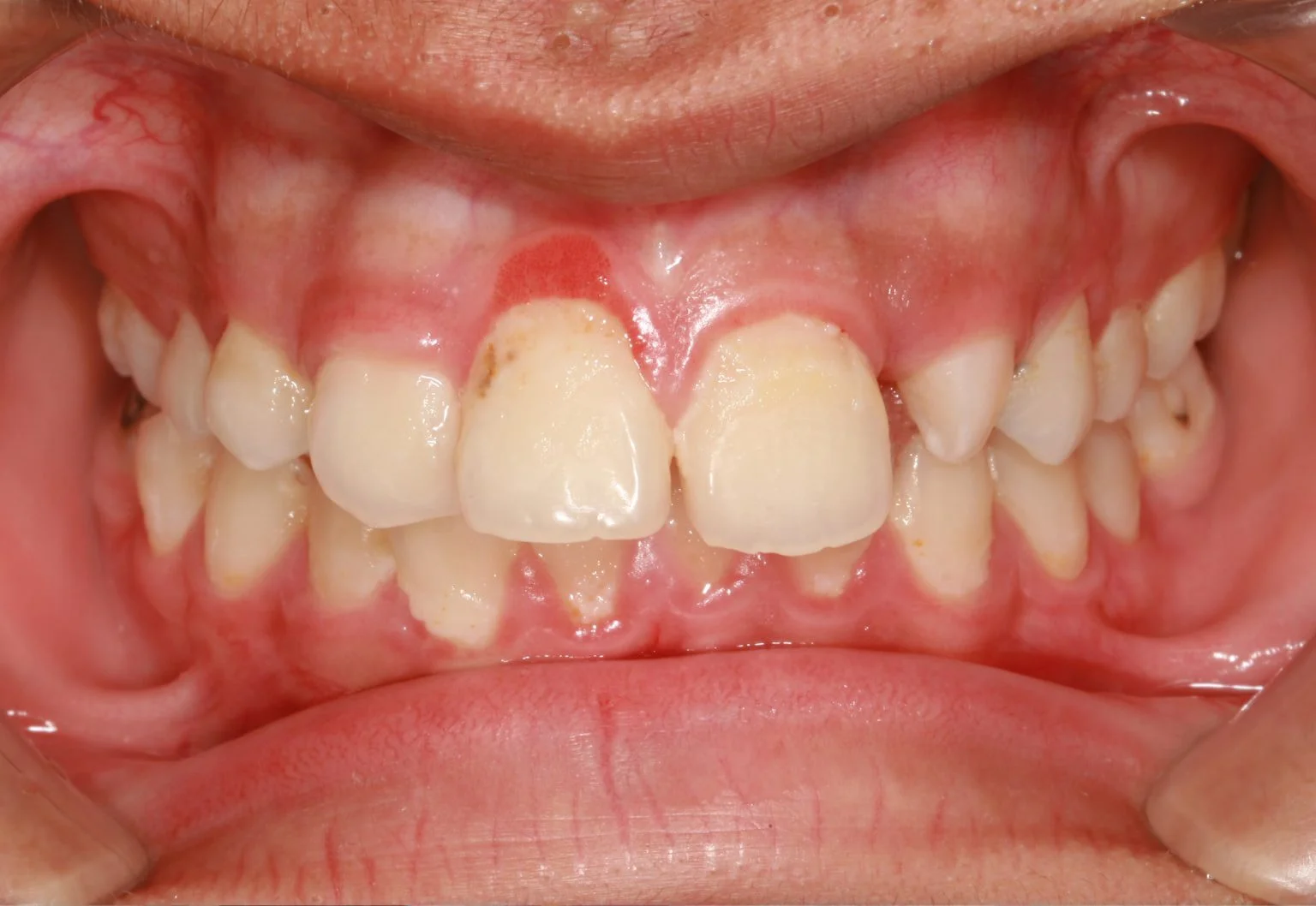
Early diagnosis of gum inflammation symptoms prevents permanent periodontal breakdown. Classical clinical signs include:
- Bleeding During Brushing or Flossing: Healthy gums never bleed; noticing pink foam or blood when spitting, brushing, or biting firm fruits is the hallmark indicator of active inflammation.
- Erythema & Color Shift: Pale pink tissue transitioning into fiery red, dark crimson, or purplish tones.
- Edema & Spongy Consistency: Gums become swollen, glossy, lose their firm stippling, and feel soft or spongy under gentle palpation.
- Persistent Oral Malodor (Halitosis): Volatile sulfur compounds produced by anaerobic colonies thriving in inflamed gingival pockets cause chronic bad breath.
- Gingival Tenderness & Itching: Localized throbbing, soreness upon mastication, or an ongoing urge to scratch the gumline.
- Gingival Recession: Inflamed tissue margins detach and recede apically, exposing sensitive root cementum.
Wisdom Tooth Gum Inflammation (Pericoronitis)
Partially erupted lower third molars are frequently covered by an overlying mucosal flap (operculum). Trapped food debris beneath this flap fosters rapid anaerobic bacterial growth, causing wisdom tooth gum inflammation (pericoronitis).
Symptoms include acute localized throbbing, trismus (inability to open the mouth fully), dysphagia (painful swallowing), radiation of pain to the ear, and submandibular lymphadenopathy. Treatment involves irrigation with antiseptic solutions, surgical operculectomy, or surgical extraction of the wisdom tooth once acute symptoms subside.
Gum Inflammation After Implant Placement (Peri-Implant Mucositis)
Gingival tissues surrounding titanium or zirconia dental implants are equally susceptible to plaque-induced inflammation. Developing gum inflammation after implant placement is clinically termed peri-implant mucositis.
Characterized by redness, edema, and bleeding upon gentle probing around the abutment, this condition must be intercepted immediately. If left untreated, it progresses into peri-implantitis, where irreversible alveolar bone loss compromises implant stability. Management requires professional debridement using non-metallic (carbon or titanium-safe) instruments and targeted antimicrobial irrigation.
How to Treat Gum Inflammation: Home Care & Clinical Procedures
Addressing how to treat gum inflammation and understanding what is good for gum inflammation involves combining patient home care with professional therapy:
1. Supportive Home Care Measures:
- Warm Salt Water Rinses: Dissolving half a teaspoon of salt in warm water for 60-second rinses 2 to 3 times daily relieves tissue edema via osmotic drainage.
- Optimized Brushing Technique: Never stop brushing due to bleeding. Use an ultra-soft or soft manual/electric toothbrush angled at 45 degrees toward the gumline using gentle circular and sweeping strokes.
- Daily Interdental Cleaning: Utilize string floss, interdental brushes, or water flossers nightly to evacuate interproximal biofilm.
- Herbal Chamomile & Sage Infusions: Lukewarm herbal rinses provide soothing natural anti-inflammatory benefits.
2. Clinical Treatments for Persistent Gum Inflammation:
If symptoms persist past 7 days, the case represents persistent gum inflammation requiring chairside periodontal intervention:
- Professional Ultrasonic Scaling: Removing supra- and subgingival calculus using ultrasonic instrumentation eliminates the mechanical reservoir of bacteria.
- Subgingival Debridement (Deep Curettage): Performed under local anesthesia to plane infected root surfaces and remove necrotic pocket linings.
- Laser-Assisted Periodontal Decontamination: Diode dental lasers sterilize contaminated deep pockets, promoting accelerated tissue re-attachment.
- Topical Antiseptics & Short-Term Chlorhexidine: Applying chlorhexidine (0.12% - 0.20%) mouth rinses or localized antiseptic gels as prescribed.
Comparative Matrix: Gingivitis vs. Periodontitis
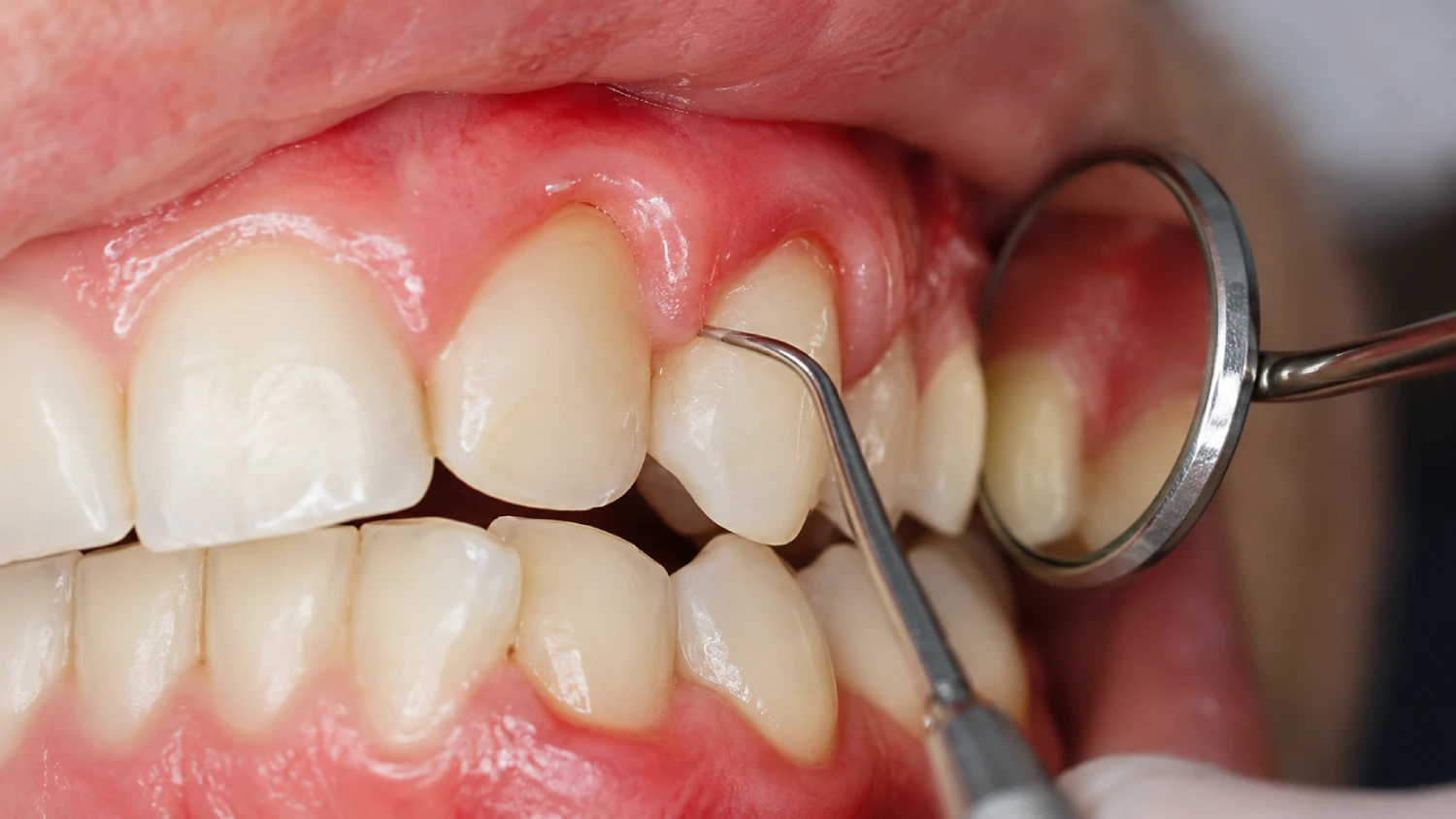
Compare the characteristics of reversible versus advanced periodontal diseases below:
|
Clinical Parameters |
Gingivitis (Gum Inflammation) |
Periodontitis (Destructive Disease) |
|
Involved Tissues |
Confined to gingival soft tissue only |
Gingiva, periodontal ligament & alveolar bone |
|
Alveolar Bone Loss |
Zero bone resorption |
Active, irreversible bone loss present |
|
Tooth Mobility |
Teeth remain firm and stable |
Teeth become mobile, shift, or drift |
|
Reversibility |
100% Fully reversible with hygiene |
Irreversible; disease can only be arrested |
|
Required Therapy |
Professional Scaling + Daily Flossing |
Deep Root Planing + Flap Surgery + Grafting |
Frequently Asked Questions
Can gum inflammation resolve on its own?
Mild inflammation caused by temporary mechanical irritation (such as a hard crust scratch) can heal independently. However, if inflammation is driven by bacterial plaque and calcified tartar, it will never resolve on its own without professional dental cleaning; it will inexorably progress into periodontal bone loss.
Should I stop brushing my teeth if my gums bleed?
No, absolutely not! Bleeding is a distress signal indicating bacterial plaque accumulation. Ceasing brushing allows bacteria to multiply, worsening inflammation. Continue brushing gently with a soft-bristled brush angled at the gumline. With daily cleaning and flossing, bleeding resolves within a few days.
Are antibiotics necessary to treat gum inflammation?
No. Over 90% of gingivitis cases do not require systemic antibiotics; mechanical removal of plaque and tartar via dental scaling resolves the infection completely. Antibiotics are reserved exclusively for severe acute necrotizing conditions or systemic spread accompanied by fever and swollen lymph nodes.
Does chronic gum inflammation affect cardiovascular health?
Yes. Extensive clinical research links chronic periodontal inflammation with systemic health complications. Periodontal pathogens entering the bloodstream through ulcerated pocket linings promote arterial plaque formation (atherosclerosis), elevate cardiovascular risks, impair glycemic control in diabetes, and increase the risk of preterm birth in pregnant women.
About the Author