


What Is Orthodontics? Types, Benefits and Treatment Options
Don't put off your smile. Message us now to discuss your treatment options with our expert dentists.
WhatsAppOrthodontics is a branch of dentistry that focuses on diagnosing and correcting irregularities in teeth and jaw alignment. Today, Orthodontics plays an essential role not only in aesthetic smile design but also in functional oral health.
Orthodontics is not just about straight teeth. It is a multidisciplinary process that evaluates jaw harmony, facial balance, and long term oral function. Because of this, it has become one of the most researched and rapidly evolving areas in dentistry.
İçindekiler
- What is Orthodontics? Scientific Definition and Core Principles
- Types of Orthodontics and Treatment Approaches
- Benefits of Orthodontics for Oral Health
- How the Orthodontics Process is Planned
- Comparison of Orthodontics Treatment Methods
- Modern Technology in Orthodontics
- Orthodontics and Its Impact on Quality of Life
What is Orthodontics? Scientific Definition and Core Principles
Orthodontics refers to the dental specialty that aims to align teeth properly and improve the relationship between the upper and lower jaws. The term originates from Greek words meaning correct or straight teeth.
This field is based on biomechanical principles and growth patterns of the craniofacial system. In simple terms, it studies how teeth move and how bone structures adapt to controlled pressure over time.
Orthodontics is not limited to children or teenagers. Adult treatments have become increasingly common due to advances in modern dental technologies. The goal of Orthodontics is to create harmony between function and aesthetics while supporting long term oral stability.
Types of Orthodontics and Treatment Approaches
Orthodontic treatments are categorized based on the technique and appliance used. Each method is designed to address different levels of dental misalignment.
Common types include:
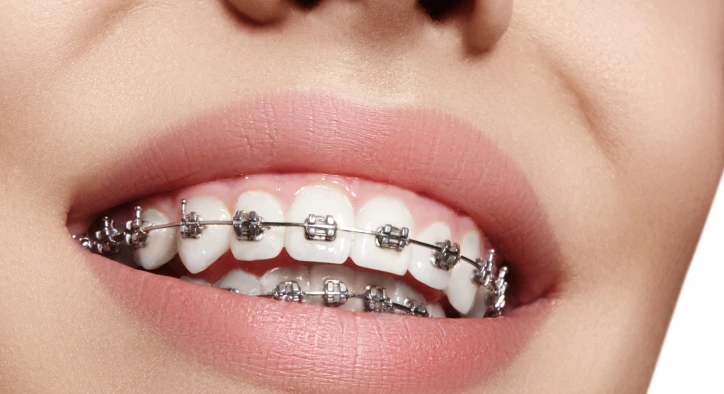
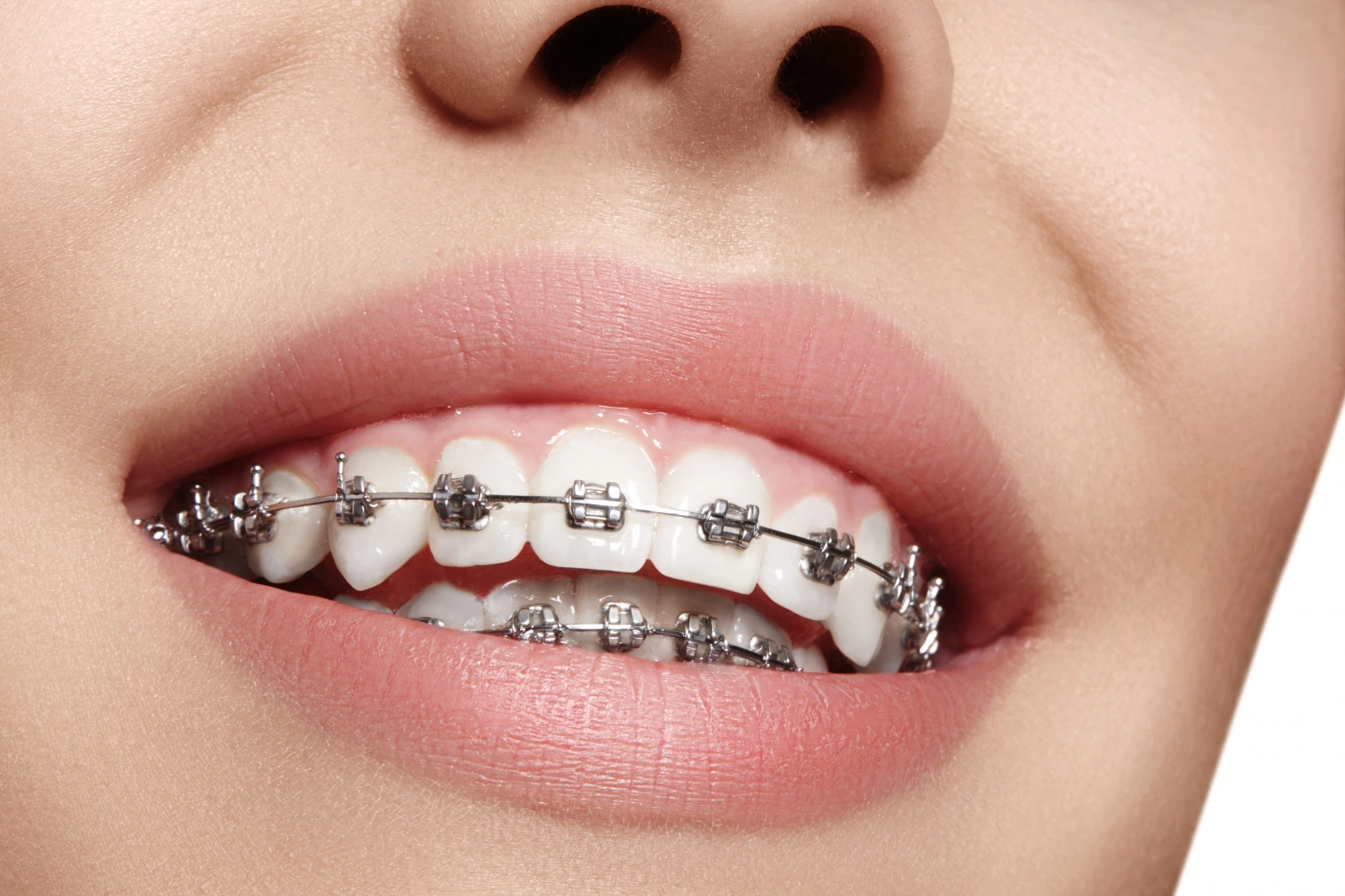
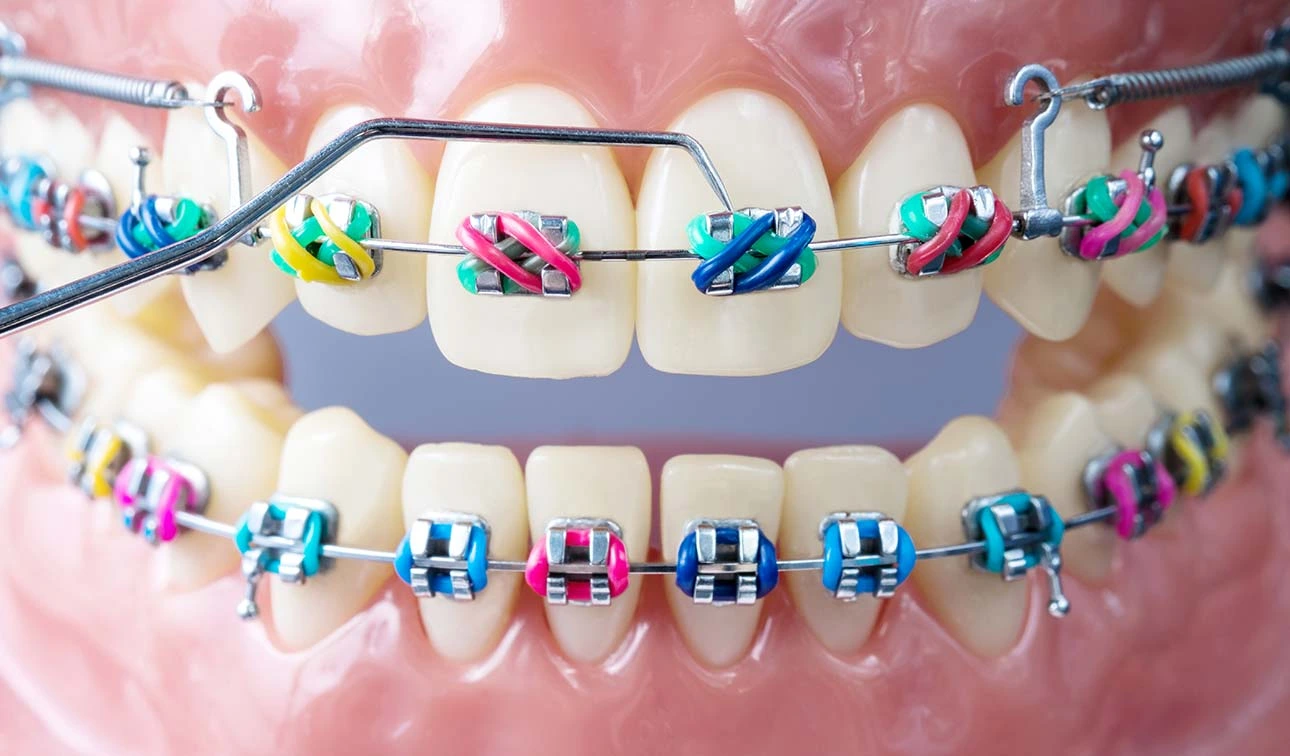
- Fixed braces (metal or ceramic brackets)
- Clear aligner systems
- Removable appliances
- Functional orthodontic devices
Each approach works by applying controlled forces to gradually reposition teeth. In modern dentistry, Orthodontics often integrates digital scanning and 3D modeling to improve accuracy and predictability.
Clear aligners have gained popularity due to their nearly invisible structure, while traditional braces remain widely used for more complex cases.
Benefits of Orthodontics for Oral Health
The benefits of orthodontic treatment extend far beyond appearance. Proper alignment contributes significantly to oral hygiene and functional efficiency.
From a clinical perspective, Orthodontics may offer the following advantages:
- Easier cleaning and reduced plaque accumulation
- Improved chewing efficiency
- Reduced stress on jaw joints
- Lower risk of uneven tooth wear
- Better long term gum health
Studies in dental health science suggest that aligned teeth can reduce the risk of secondary oral complications. This makes orthodontic care a preventive approach rather than purely cosmetic.
More information about oral health connections can be explored through the World Health Organization resource on dental care (https://www.who.int/health-topics/oral-health).
How the Orthodontics Process is Planned
Orthodontic treatment follows a structured and personalized planning process. The initial step always involves a detailed diagnostic evaluation.
The general workflow includes:
- Clinical examination and imaging
- Diagnosis and treatment planning
- Selection of orthodontic method
- Active treatment phase with adjustments
- Retention phase after treatment
Each stage is tailored according to the patient’s dental structure and clinical needs. The duration of Orthodontics treatment varies depending on complexity and biological response.
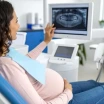
Modern imaging technologies and digital simulations allow specialists to predict tooth movement more accurately than ever before.
Comparison of Orthodontics Treatment Methods
Different orthodontic systems offer different levels of comfort, visibility, and effectiveness. The table below summarizes the main options:
|
Method |
Visibility |
Comfort Level |
Application Area |
|
Metal Braces |
High |
Medium |
Complex cases |
|
Ceramic Braces |
Medium |
Medium |
Aesthetic preference |
|
Clear Aligners |
Low |
High |
Mild to moderate cases |
|
Removable Appliances |
Variable |
Medium |
Growth phase treatments |
Choosing the right method in Orthodontics depends on clinical findings, lifestyle factors, and treatment goals.
Modern Technology in Orthodontics
Digital transformation has significantly changed orthodontic practice. Today, 3D scanning systems and computer assisted design tools allow highly precise treatment planning.
In Orthodontics, digital simulations can show expected tooth movements before treatment even begins. This improves both patient understanding and clinical decision making.
In addition, digital workflows reduce manual errors and help create more predictable outcomes. This integration of technology has made orthodontic care faster, more comfortable, and more efficient.
For professional dental standards and orthodontic guidelines, the American Association of Orthodontists provides detailed educational resources (https://www.aaoinfo.org).
Orthodontics and Its Impact on Quality of Life
Orthodontic treatment influences more than just physical appearance. It can also affect communication, confidence, and social interaction.
Orthodontics aims to improve both functional and aesthetic harmony. This dual impact often leads to noticeable improvements in daily life experiences.
Research in dental psychology suggests that individuals undergoing orthodontic care may experience improved self perception over time. While results vary, the connection between oral structure and emotional well being is widely acknowledged.
Orthodontics is a comprehensive field that combines science, technology, and aesthetics. It addresses both functional dental issues and facial harmony. At Avrupa Sağlık Diş, Orthodontics is approached as a personalized and evolving discipline supported by modern diagnostic and treatment tools.
About the Author