


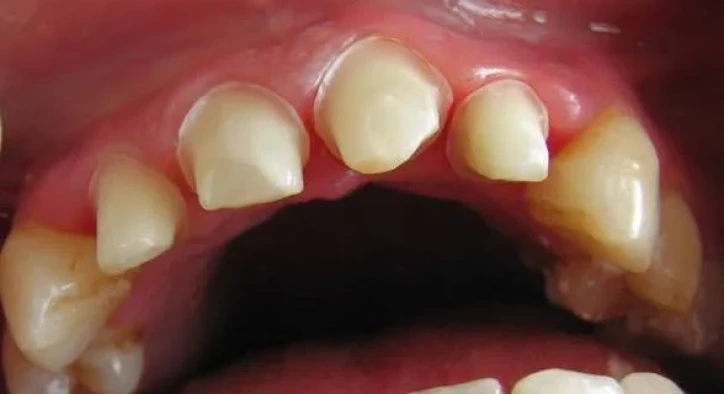
What Is Tooth Preparation? How Is It Done? Pain and the Process
Don't put off your smile. Message us now to discuss your treatment options with our expert dentists.
WhatsAppWhen teeth require crown or bridge restorations due to extensive decay, trauma, structural loss, or smile design makeovers, the planned restoration must accurately match natural anatomical dimensions without creating bulky contours or irritating the surrounding gumline. To achieve perfect marginal fit and structural harmony, the outer layers of the natural tooth are reduced millimetrically under precise angles a core clinical procedure in prosthodontics termed tooth preparation (tooth reduction).
Frequently a source of anxiety for dental patients, modern crown tooth preparation is performed completely painlessly using high-potency local anesthetics and high-speed diamond burs. Contrary to popular belief, tooth preparation is not executed to weaken the natural tooth; rather, it creates the essential biomechanical foundation that allows a custom zirconia or porcelain crown to encapsulate and protect the underlying tooth like a protective helmet. This comprehensive YMYL master guide explores what is tooth preparation, details how is tooth preparation done, answers how long does tooth preparation take, outlines how to relieve pain after tooth preparation, explains when is crown fitted after tooth preparation, and highlights the necessity of a temporary tooth after preparation.
Table of Content
What is Tooth Preparation?
In professional prosthodontic literature, the precise scientific definition of tooth preparation is: The systematic, calibrated reduction of natural enamel and dentin tissues using specialized diamond instruments to create adequate spatial clearance for a forthcoming fixed restoration (such as zirconia, E-Max, or porcelain).
Why is tooth preparation before crown placement a biological necessity?
- Volumetric Balance: The final crown must not crowd adjacent tooth contacts or create an over-contoured, unnatural aesthetic.
- Gingival Margin Preparation: A microscopic finish line (such as a chamfer or shoulder margin) is created at the gumline. This step prevents the crown from overhanging the gums, eliminating plaque traps and tissue inflammation.
- Retentive Taper: Applying a slight 2 to 5-degree axial convergence angle to the prepped tooth walls allows the luting cement to retain the restoration with maximum mechanical friction.
Clinical Protocol: How is Tooth Preparation Done?
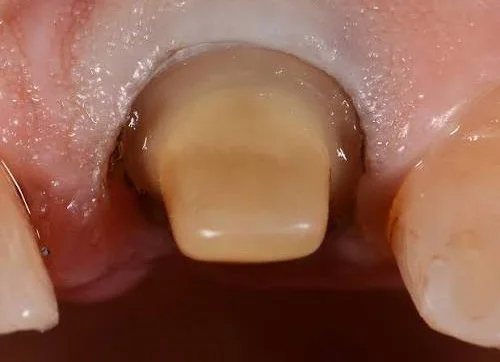
Patients experience how is tooth preparation done as a comfortable, structured clinical procedure executed through these steps:
- Profound Local Anesthesia: High-potency local anesthetic blocks switch off nerve sensation around the target teeth and soft tissue, ensuring the patient feels zero sharp discomfort.
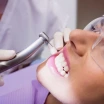
- Occlusal and Axial Reduction: Utilizing high-speed, water-cooled handpieces and specialized diamond burs, the occlusal/incisal chewing surfaces and axial walls are reduced by approximately 1.0 to 2.0 mm.
- Tooth Preparation for Zirconia: During tooth preparation for zirconia, a smooth, continuous chamfer margin is sculpted along the gingival boundary. This clean finish line allows the digital scan to capture the exact margin for a micron-accurate fit.
- Finishing and Smoothing: Sharp internal angles and line edges are smoothed using fine-grit finishing burs to prevent stress concentrations in the final crown.
- Digital Impressions & Temporary Fitting: A 3D intraoral digital scan or elastomeric impression is captured, after which custom temporary acrylic crowns are cemented over the prepped cores immediately.
How Long Does Tooth Preparation Take?
During treatment scheduling, patients frequently inquire: how long does tooth preparation take?
- Single Tooth Reduction: Preparing a single tooth from local anesthesia delivery to final digital scanning and temporary crown placement takes approximately 20 to 30 minutes.
- Full Arch or Smile Design: Comprehensive full-mouth or anterior smile makeovers involving 6 to 14 teeth require 1.5 to 3 hours. Short rest breaks are provided during long appointments to relax the jaw muscles.
How to Relieve Pain After Tooth Preparation
Experiencing mild soreness, pressure, or minor thermal sensitivity after local anesthesia wears off is a normal physiological adjustment. Why does pain after tooth preparation occur, and how to relieve pain after tooth preparation?
Reducing enamel exposes underlying dentin tubules (microscopic fluid-filled channels leading to the nerve), causing temporary nerve irritation.
Rules for Pain Relief:
- Mandatory Placement of Temporary Crowns: Wearing a temporary tooth after preparation seals exposed dentin tubules, eliminating post-prep sensitivity by up to 90%.
- Mild Anti-Inflammatory Medication: Taking mild over-the-counter painkillers (such as ibuprofen) as directed for the first 24 hours comfortably controls soreness.
- Thermal Diet Modifications: Avoid piping-hot soups, ice-cold beverages, or acidic foods during the first few days; consume lukewarm meals.
- Warm Salt Water Rinses: Gentle warm salt water rinses soothe mild gingival tenderness along the prepped tissue margins.
Tooth Brushing After Preparation
Patients must not stop tooth brushing after preparation! However, observe these care guidelines:
- Clean prepped areas using an ultra-soft post-operative toothbrush, using gentle circular motions along the gumline.
- When flossing around temporary crowns, do not pull the floss upward! Slide the thread out laterally through the side gap to prevent dislodging the temporary cement.
When is Crown Fitted After Tooth Preparation?
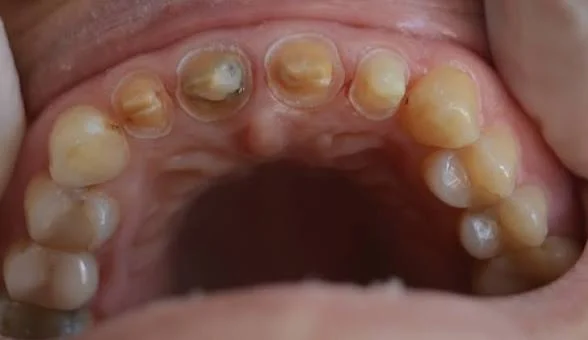
Answering when is crown fitted after tooth preparation depends on laboratory workflows and try-in appointments:
- In-Office CAD/CAM Workflows: For single crowns using digital intraoral scans, permanent crowns can be fitted within 2 to 3 days.
- Conventional Laboratory Workflows: For complex smile makeovers requiring framework try-ins, porcelain checks, and shade characterization, final crowns are cemented within 5 to 7 days (approximately 1 week).
Frequently Asked Questions
Can a tooth develop decay after being prepped for a crown?
No. Once a permanent zirconia or porcelain crown is cemented over a prepped core, it encapsulates the tooth, preventing bacteria from reaching the prepped dentin. However, if oral hygiene is neglected and severe gum recession occurs, secondary decay can develop at the root boundary below the crown margin. Daily brushing remains essential.
Is fitting a temporary crown mandatory after tooth preparation?
Yes, absolutely. Without a temporary crown, open dentin tubules remain exposed to oral fluids, causing severe pain and potential pulpal inflammation. Furthermore, adjacent teeth can drift into the prepped space, causing the final lab-milled crown to fail to fit.
Will I feel sharp pain during tooth preparation despite anesthesia?
No. Under properly administered local anesthesia, feeling sharp pain during tooth reduction is biologically impossible. You will feel only mild tactile pressure and water spray from the high-speed handpiece.
What diet should I follow while wearing temporary crowns?
Stick to soft, lukewarm foods (such as purees, soft pasta, and soups) while wearing temporary crowns. Avoid hard, crunchy, very hot, ice-cold, or sticky foods (like chewing gum or caramels) that could dislodge the temporary cement.
About the Author