


Can Root Canal Treatment Be Completed in a Single Session? How Is It Done?
Don't put off your smile. Message us now to discuss your treatment options with our expert dentists.
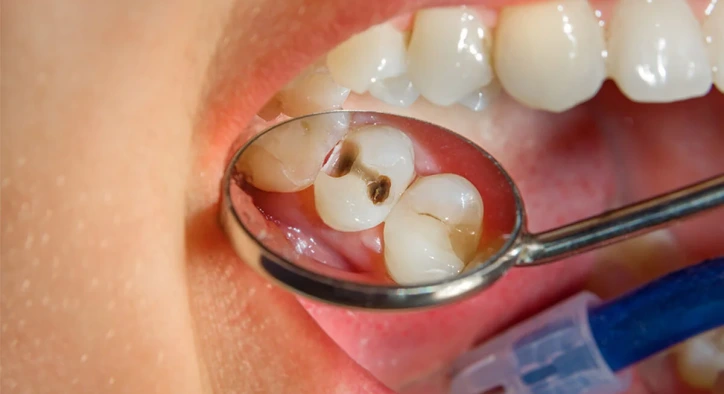
WhatsAppWhen extensive dental decay, direct trauma, or micro-cracks breach the protective enamel and dentin shields, oral bacteria penetrate the central pulp chamber housing vital nerves and blood vessels. Unchecked bacterial infiltration triggers progressive pulpal necrosis, eventually spreading through the root apices into the surrounding alveolar bone, causing throbbing nocturnal pain and periapical abscesses. While tooth extraction was historically the standard resolution, modern endodontic therapy allows compromised teeth to be saved for a lifetime through root canal treatment.
Technological advancements such as electronic apex locators, operative microscopes, and flexible nickel-titanium rotary files have transformed modern root canal procedures. These innovations prompt an essential question: Can root canal treatment be completed in a single visit? This clinical guide explores what is root canal treatment, reviews how root canal treatment is done, examines clinical criteria for single visit root canal treatment, clarifies how long does root canal treatment take, and outlines protocols for managing pain after root canal treatment.
Table of Content
- What Is Root Canal Treatment?
- Can Root Canal Treatment Be Completed in a Single Visit?
- How Root Canal Treatment Is Done: Clinical Protocol
- How Long Does Root Canal Treatment Take?
- Pain After Root Canal Treatment: Causes and Management
- Post-Treatment Aftercare Guidelines
- Comparative Matrix: Single-Visit vs. Multi-Visit Root Canal Treatment
- Frequently Asked Questions
What Is Root Canal Treatment?
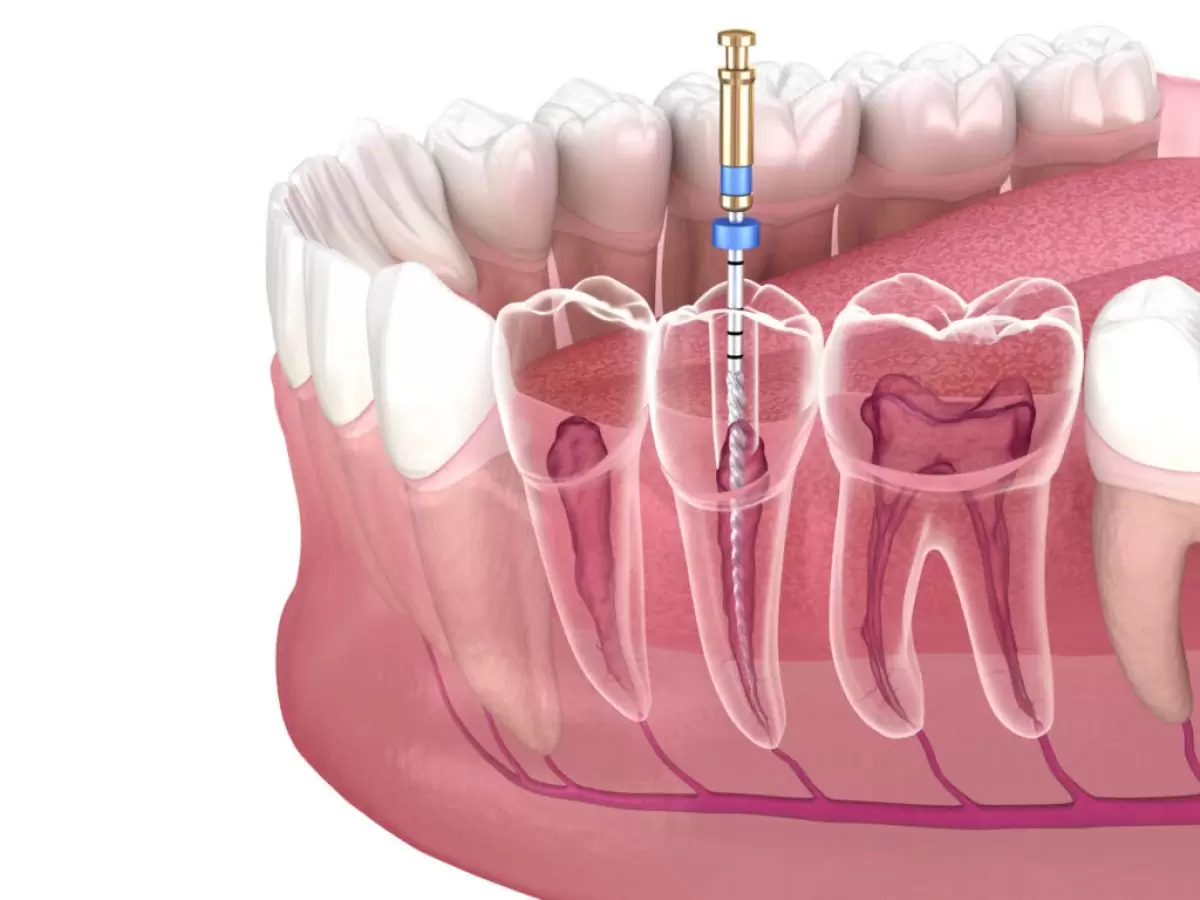
In endodontic science, the definition of what is root canal treatment is: The complete extirpation of infected, inflamed, or necrotic pulp tissue from the coronal pulp chamber and radicular root canals, followed by biomechanical shaping, chemical disinfection, and three-dimensional hermetic obturation with biocompatible filling materials.
Key biological objectives include:
- Eradicating Intracanal Pathogens: Eliminating bacterial biofilms and endotoxins using irrigating solutions.
- Preserving Natural Dentition: Retaining the natural root structure within alveolar bone to sustain masticatory efficiency and jawbone volume.
- Arresting Periapical Breakdown: Preventing the spread of infection into periapical tissues, halting cyst formation and bone resorption.
Can Root Canal Treatment Be Completed in a Single Visit?
The efficacy of single visit root canal treatment is supported by contemporary clinical research under specific diagnostic conditions:
Indications for Single-Visit Endodontics:
- Vital Pulp Exposures: Irreversible pulpitis with severe pain but without periapical radiolucencies, suppuration, or bone destruction.
- Elective Prosthetic Intent: Teeth requiring endodontic stabilization to support full-coverage crowns or fixed bridgework.
- Acute Traumatic Fractures: Clean coronal fractures with fresh pulpal exposure in the absence of established microbial colonization.
Indications Requiring Multiple Visits:
- Active Suppuration or Persistent Exudate: Canals exhibiting continuous drainage of pus or serosanguinous fluid cannot be obturated immediately. An intracanal medicament such as calcium hydroxide is placed beneath a temporary restoration for 7 to 10 days.
- Extensive Periapical Lesions (Cysts): Large chronic periapical lesions requiring inter-appointment therapeutic dressings to foster bony healing.
How Root Canal Treatment Is Done: Clinical Protocol
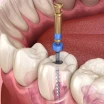
Understanding how root canal treatment is done involves six structured clinical steps:
- Diagnostic Imaging and Local Anesthesia: Preoperative digital radiographs or three-dimensional CBCT scans evaluate canal anatomy, followed by local anesthesia administration.
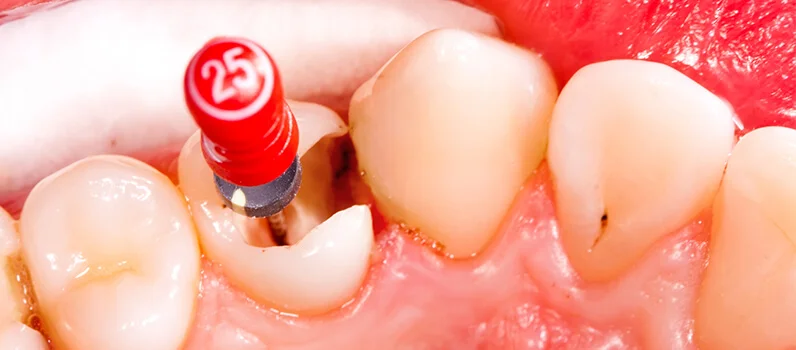
- Access Cavity Preparation and Isolation: Carious dentin is removed and an access cavity is created. A rubber dam isolates the tooth, preventing salivary bacterial contamination.
- Working Length Determination: Electronic apex locators determine the precise physiological apical constriction of each root canal.
- Mechanical Shaping and Chemical Irrigation: Flexible nickel-titanium rotary instruments shape the canals while sodium hypochlorite solutions flush away debris and disinfect the space.
- Three-Dimensional Obturation: Dried with sterile paper points, canals are hermetically sealed using biocompatible gutta-percha cones and root canal sealers.
- Coronal Restoration: The coronal tooth structure is rebuilt using composite resin restorations, bonded onlays, or full-coverage zirconia crowns to resist occlusal forces.
How Long Does Root Canal Treatment Take?
Factors influencing how long does root canal treatment take depend on root anatomy and canal count:
- Anterior Incisors and Canines (Single Canal): Approximately 30 to 45 minutes.
- Premolars (1 to 2 Canals): Approximately 45 to 60 minutes.
- Molars (3 to 4 Complex Curved Canals): Approximately 60 to 90 minutes.
- Multi-visit protocols typically involve two appointments scheduled one week apart.
Pain After Root Canal Treatment: Causes and Management
Understanding pain after root canal treatment involves recognizing standard post-instrumentation biological responses:
- Mild Sensitivity for 3 to 5 Days: Although pulpal nerves are removed, mechanical instrumentation can cause transient inflammation in the surrounding periodontal ligament. Tenderness upon biting is normal during early healing.
- Pain Management: Over-the-counter analgesics such as ibuprofen or acetaminophen effectively manage post-treatment discomfort.
- Warning Signs: Persistent severe throbbing, facial swelling, or worsening pain requires immediate clinical evaluation.
Post-Treatment Aftercare Guidelines
To preserve treated teeth, follow these post-treatment rules:
- Avoid Chewing Until Numbness Resolves: Prevent accidental lip, cheek, or tongue biting while local anesthesia remains active.
- Avoid Hard Foods on Temporary Fillings: Do not chew hard nuts or crusts on teeth with temporary fillings between multi-visit sessions.
- Complete the Permanent Restoration Promptly: Place the definitive crown or composite core without delay to prevent coronal microleakage.
- Maintain Diligent Oral Hygiene: Continue twice-daily brushing and daily flossing; pulpless teeth remain susceptible to external cervical decay.
Comparative Matrix: Single-Visit vs. Multi-Visit Root Canal Treatment
|
Clinical Parameter |
Single-Visit Root Canal Treatment |
Multi-Visit Root Canal Treatment |
|
Primary Indication |
Vital pulp, acute pulpitis, elective prosthetic |
Active apical exudate, acute abscess, cysts |
|
Total Appointments |
1 Appointment (60-90 minutes) |
2 to 3 Appointments (1 week apart) |
|
Inter-Appointment Flare-Up Risk |
Zero (Obturated in one visit) |
Risk of temporary seal leakage |
|
Clinical Success Rate |
90% to 95% (Equal clinical efficacy) |
90% to 95% (Equal clinical efficacy) |
|
Patient Convenience |
Single anesthetic administration, time-saving |
Enables monitoring of active suppuration |
Frequently Asked Questions
Does root canal treatment hurt during the procedure?
No. Modern local anesthetics fully desensitize the tooth and surrounding alveolar tissues. Patients feel mechanical pressure and irrigation, but no sharp pain during treatment.
How long does a root canal treated tooth last?
A tooth with properly cleaned, sealed root canals and a well-fitting crown can last a lifetime with consistent oral hygiene and regular dental checkups.
Can a root canal treated tooth develop cavities?
Yes. Root canal therapy removes internal nerves, but external enamel and dentin surfaces remain exposed to oral bacteria. Poor plaque control can lead to external decay, which progresses painlessly due to the absence of nerves.
Is root canal treatment better than tooth extraction and dental implants?
Preserving natural dentition is always the primary biological goal. Saving a structurally sound tooth through endodontic therapy is more conservative and cost-effective than extraction and implant replacement. Implants are reserved for non-restorable teeth.
About the Author