


What Is Root Canal Retreatment? How Is It Performed?
Don't put off your smile. Message us now to discuss your treatment options with our expert dentists.
WhatsAppFollowing a primary root canal procedure, a treated tooth is expected to function comfortably for decades. However, challenging radicular anatomy, hidden accessory canals, coronal seal breakdown, or recurrent fractures beneath full-coverage crowns can allow oral bacteria to recontaminate the root canal space.
Experiencing dull percussion tenderness, acute throbbing upon mastication, or a localized gingival sinus tract (gum pimple) on a previously treated tooth causes understandable patient concern. Historically, extraction was the default response. In contemporary endodontics, the biological approach to retaining natural dentition is root canal retreatment. Operating dental microscopes, ultrasonic debridement tips, and specialized nickel-titanium retreatment files enable high clinical success rates for previously failed cases.
Table of Content
- What Is Root Canal Retreatment?
- Root Canal Retreatment Indications: When Is It Required?
- Is Root Canal Retreatment Difficult? Clinical Realities
- How Root Canal Retreatment Is Done: Step-by-Step Protocol
- Pain After Root Canal Retreatment: Management & Recovery
- Root Canal Retreatment Costs: Determining Factors
- Comparative Matrix: Primary Root Canal Therapy vs. Retreatment
- Frequently Asked Questions
What Is Root Canal Retreatment?
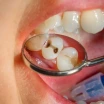
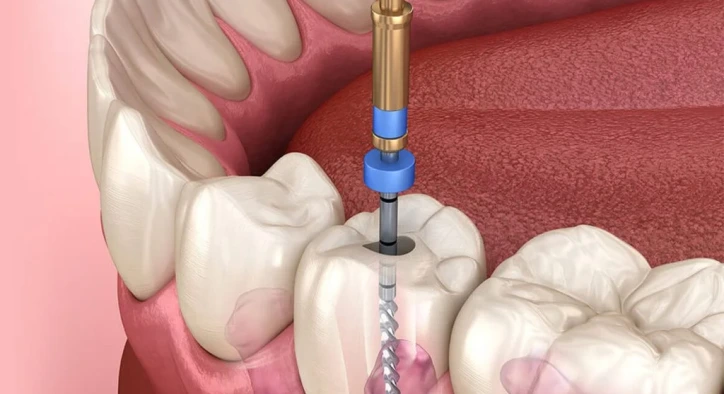
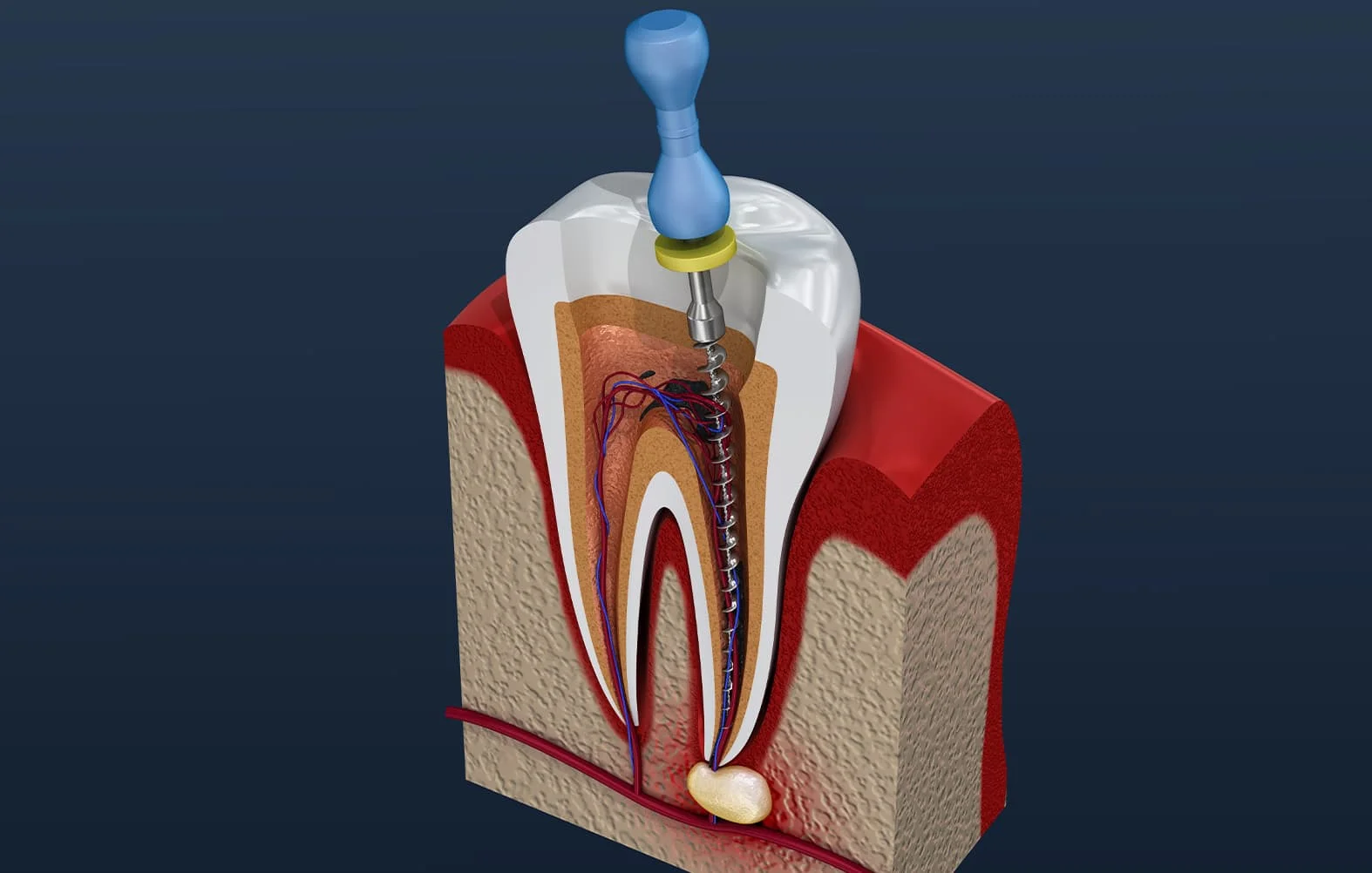
In endodontic literature, the clinical definition of what is root canal retreatment is: A non-surgical revision procedure performed on a previously treated tooth presenting with recurring periapical infection or technical shortcomings. It involves disassembling existing coronal restorations, unsealing and removing old obturation materials (gutta-percha and paste sealer), renegotiating canals to the radiographic apex, delivering antimicrobial irrigation, and sealing the root space hermetically.
Core clinical objectives include:
- Eradicating Refractory Biofilm: Removing entrenched bacterial colonies (such as Enterococcus faecalis) and metabolic endotoxins driving periapical bone loss.
- Healing Apical Periodontitis: Resolving chronic apical inflammatory lesions to facilitate alveolar bone regeneration.
- Tooth Preservation: Maintaining the patient's biological root complex to avoid dental extractions, bridges, or titanium implants.
Root Canal Retreatment Indications: When Is It Required?
Clinicians recommend intervention based on established root canal retreatment indications:
- Untreated or Missed Canals: Complex anatomical structures, such as the second mesiobuccal canal (MB2) in maxillary molars, left uninstrumented during primary therapy.
- Under-Extended or Defective Obturation: Root fillings stopping short of the apical constriction or displaying poor three-dimensional seal with voids.
- Coronal Microleakage: Fractured composite fillings, marginal decay under dental crowns, or loose prostheses allowing saliva and bacteria to penetrate canals.
- Emergence of New Periapical Lesions: Radiographic evidence of developing bone radiolucencies months or years after the original therapy.
- Intracanal Separated Instruments: Broken metal file segments from previous procedures that prevented apical cleaning.
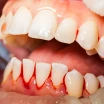
- Persistent Sinus Tract or Biting Pain: Persistent soft tissue swelling, suppuration, or focal discomfort upon occlusal pressure.
Is Root Canal Retreatment Difficult?
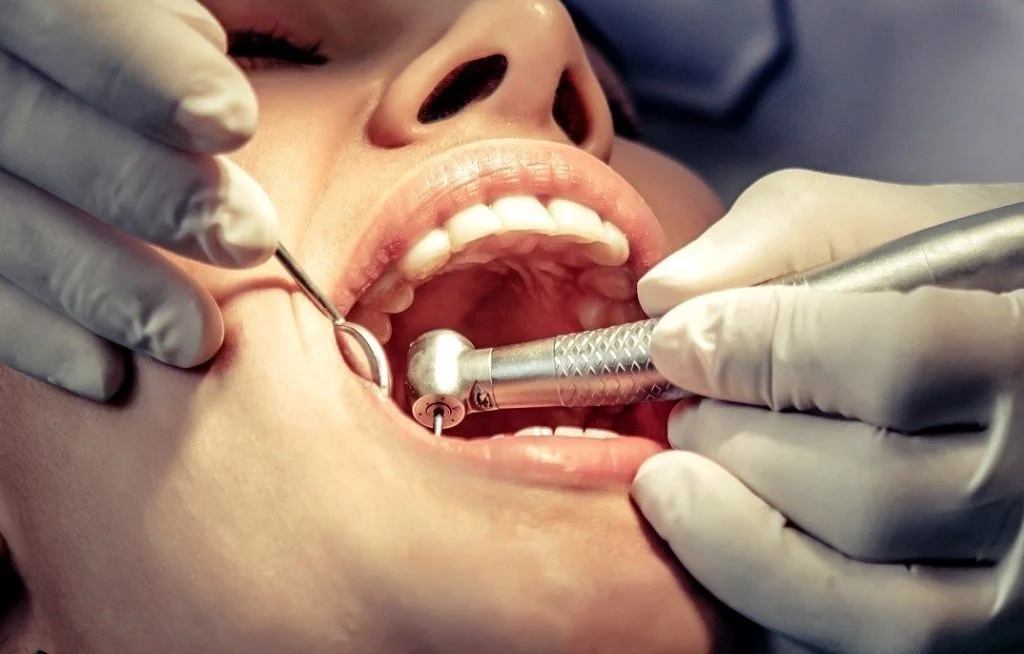
Patients anticipating extensive appointments often ask: is root canal retreatment difficult?
From a technical perspective, endodontic revision is demanding for the clinician due to navigating altered anatomy; however, for the patient, the operative experience feels identical to receiving a routine dental filling under local anesthesia.
Why does revision require specialist precision?
- Safely dislodging hardened gutta-percha, resin sealers, or silver cones without gouging radicular dentin.
- Disassembling existing ceramic crowns, metal posts, or quartz fiber posts using delicate ultrasonic vibrations.
- Negotiating canal ledges or calcifications while avoiding root wall perforations.
- Because local anesthesia desensitizes the entire quadrant, patients experience zero sharp pain during treatment.
How Root Canal Retreatment Is Done: Step-by-Step Protocol
Understanding how root canal retreatment is done involves six structured clinical steps:
- Pre-Operative Diagnostics & Anesthesia: Periapical digital radiographs or three-dimensional cone-beam computed tomography (CBCT) define internal canal anatomy and bone loss, followed by profound local anesthesia.
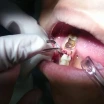
- Coronal Access & Isolation: Existing composite or coronal restorations are accessed or removed, and the tooth is isolated with a rubber dam to prevent salivary contamination.
- Deswelling & Removal of Old Obturation: Rotary NiTi retreatment files, biocompatible solvents, and ultrasonic tips unseat and evacuate old gutta-percha filling material down to the canal terminus.
- Microscopic Canal Scouting & Disinfection: An operative microscope identifies previously missed root canals. Working length is established with electronic apex locators, and canals are shaped and irrigated with sodium hypochlorite activated by sonic or ultrasonic agitation.
- Intracanal Therapeutic Medication: In the presence of suppurative drainage or large periapical cysts, a calcium hydroxide paste is placed beneath a temporary restoration for seven to fourteen days.
- Obturation & Definitive Seal: Dried canals are hermetically sealed using biocompatible gutta-percha and bioceramic sealers. The coronal crown is reconstructed with composite cores, onlays, or full crowns to prevent fracture.
Pain After Root Canal Retreatment: Management & Recovery
Experiencing mild pain after root canal retreatment represents a normal inflammatory response:
- Initial Soreness for Three to Four Days: Mechanical cleaning near periapical tissues and antimicrobial solutions can induce temporary ligament inflammation. Biting tenderness or dull aching is common and self-limiting.
- Analgesic Protocols: Over-the-counter anti-inflammatories, such as ibuprofen or acetaminophen, control post-operative tenderness effectively.
- Flare-Up Events: In small percentages of retreatment cases, acute periapical flare-ups with localized swelling can occur, which endodontists manage with localized dressings or targeted medications.
Root Canal Retreatment Costs: Determining Factors
Understanding root canal retreatment costs requires reviewing key anatomical and technical parameters:
- Anatomical Canal Count: Single-canal anterior incisors involve fewer resources, whereas three- or four-canal curved molars require greater time and clinical instrumentation.
- Intracanal Obstructions: Safely removing existing cast metal cores, fiber posts, or broken file fragments requires ultrasonic tools and clinical time.
- Specialized Technology Utilization: Incorporating dental operating microscopes, CBCT 3D radiography, and bioceramic sealers ensures higher success rates.
- Coronal Restorative Needs: Final placement of new monolithic zirconia or porcelain crowns affects the total restorative budget.
Comparative Matrix: Primary Root Canal Therapy vs. Retreatment
|
Parameter |
Primary Endodontic Therapy |
Root Canal Retreatment |
|
Pulp Canal Content |
Vital pulp or soft necrotic tissue |
Hardened gutta-percha, posts, or old sealers |
|
Clinical Instrumentation |
Standard rotary instrumentation |
Specialized retreatment files, ultrasonics, CBCT |
|
Duration of Treatment |
Typically 45 to 60 minutes |
Typically 60 to 90 minutes (1-2 visits) |
|
Technical Complexity |
Standard procedure |
Advanced endodontic micro-manipulation |
|
Clinical Success Rate |
Approximately 90% to 95% |
Approximately 80% to 85% (Saves the tooth) |
|
Secondary Alternative |
Tooth extraction |
Apicoectomy (Periradicular surgery) or Implant |
Frequently Asked Questions
How many appointments are needed for root canal retreatment?
When canal anatomy is straightforward and free of active exudate, retreatment can be completed in a single session lasting sixty to ninety minutes. When heavy exudate, fistulas, or large bone cysts are present, placing an intermediate antimicrobial dressing across two visits separated by one to two weeks is safer.
How long can a retreated tooth survive?
A retreated tooth that is meticulously disinfected, sealed with bioceramics, and restored with an indirect crown can last a lifetime with consistent home flossing and semi-annual dental examinations.
What options remain if root canal retreatment fails?
If periapical pathology persists following non-surgical revision, extraction is still not the only choice. The next clinical step is apicoectomy (apical micro-surgery), where the infected root tip is surgically resected and retro-filled through a minimal gum incision. Extraction and implant placement are reserved as a last resort.
Can antibiotics resolve pain in an infected root canal tooth without retreatment?
No. Because a previously treated tooth has no vascular blood supply inside the root, ingested systemic antibiotics cannot circulate into the root canal system where bacteria reside. Antibiotics may temporarily calm surrounding facial swelling, but the source remains until old infected materials are mechanically removed.
About the Author